
Polls Show Democrats Leading Key Senate Races Ahead of Midterms
NYT-Siena and other polls show Democrats leading in key Senate races including Michigan, Texas, and Maine, with national surveys indicating an edge for congressional control.
PoliticalOS
Monday, November 2, 2026 — Politics
Final pre-election polls show Democratic candidates ahead in enough Republican-held Senate seats to flip the chamber, yet those leads sit within historical margins of polling error and face extended counting timelines in multiple states. Turnout and late-deciding voters remain decisive variables.
What outlets missed
None of the pieces examined response-rate differentials by education level or modeled the impact of unusually high early voting already recorded in Texas. Coverage also omitted detailed state-by-state crosstabs on how independents broke in each contest and did not report the precise weighting adjustments applied to correct for partisan nonresponse. Finally, the articles did not address how the Justice Department appeal in the Alaska ballot case could affect certification timelines if the race remains close.
Voters head to the polls Tuesday facing the possibility that control of the Senate could hinge on results that take days or weeks to finalize in several states. Recent New York Times/Siena surveys found Democratic candidates ahead in Michigan by 11 points, Texas by 7 points, Kansas by 5 points, Maine by 6 points and Ohio by 5 points, with narrower edges in Alaska and a virtual tie in Iowa. These leads, if they hold, would give Democrats the four net gains needed for a majority.
The surveys, conducted October 23 to November 1 among likely voters, attribute the shift to dissatisfaction with President Trump’s job performance, which stood at 38 percent approval across the seven states. Democrats led by 9 points on handling the cost of living, the dominant issue cited by respondents. Republican candidates trailed in favorability in six of the seven contests.
Yet the same data carry built-in cautions. White Democrats responded to the polls at rates roughly 30 percent higher than white Republicans, echoing patterns that produced overestimates of Democratic strength in 2020. Late-deciding voters in the current cycle favored Republicans by 9 points. Turnout operations and the financial edge Republicans have held in advertising could still close the gaps.
Counting procedures add another layer of uncertainty. Maine and Alaska use ranked-choice voting, which requires a second round if no candidate reaches 50 percent. Alaska accepts mail ballots up to 15 days after Election Day for overseas voters. Arizona and California face high volumes of late-arriving ballots. Election officials in those states have warned that close margins will delay final calls.
Historical precedent shows both parties have benefited and suffered from delayed results. In 2020, extended counting fueled unsubstantiated fraud claims. This year’s races in Alaska and Maine could again test public patience if ranked-choice tabulations extend past the initial count.
The polls also record specific candidate weaknesses. Texas Attorney General Ken Paxton posted the lowest favorability of any nominee tested. Kansas Senator Roger Marshall faced criticism over medical-debt lawsuits. Democratic challengers in both states, James Talarico and Adam Hamilton, maintained stronger personal images.
North Carolina was omitted from the latest round of surveys. Earlier polling there showed a Democratic lead, and Republican spending had already been scaled back. Michigan results predate a public split between Democratic nominee Abdul El-Sayed and primary rival Haley Stevens, who endorsed Republican Mike Rogers on Sunday.
Taken together, the data point to a narrow but measurable Democratic advantage that remains subject to turnout, sampling error, and the mechanics of final vote tabulation.
More in Politics

Trump Rallies in Iowa, Kansas as Tight Senate Races Loom
President Trump held in-person rallies to boost GOP turnout in key Senate and House races ahead of the November 3 midterms. Polls show some races tighter than expected in the Farm Belt.
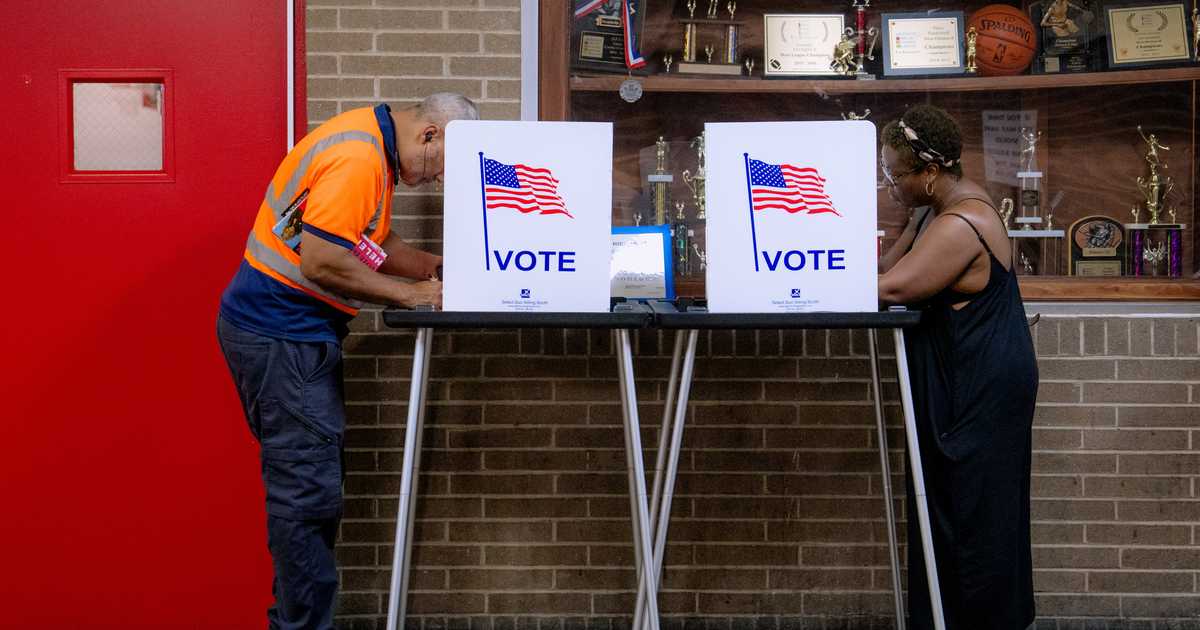
Trump Rallies for Senate Edge as Midterms Near
President Trump held rallies and made schedule changes for key Senate races while engaging in personal attacks on Democratic candidates. Coverage highlights competing appearances with Democrats and questions over campaign strategies days before the midterms.
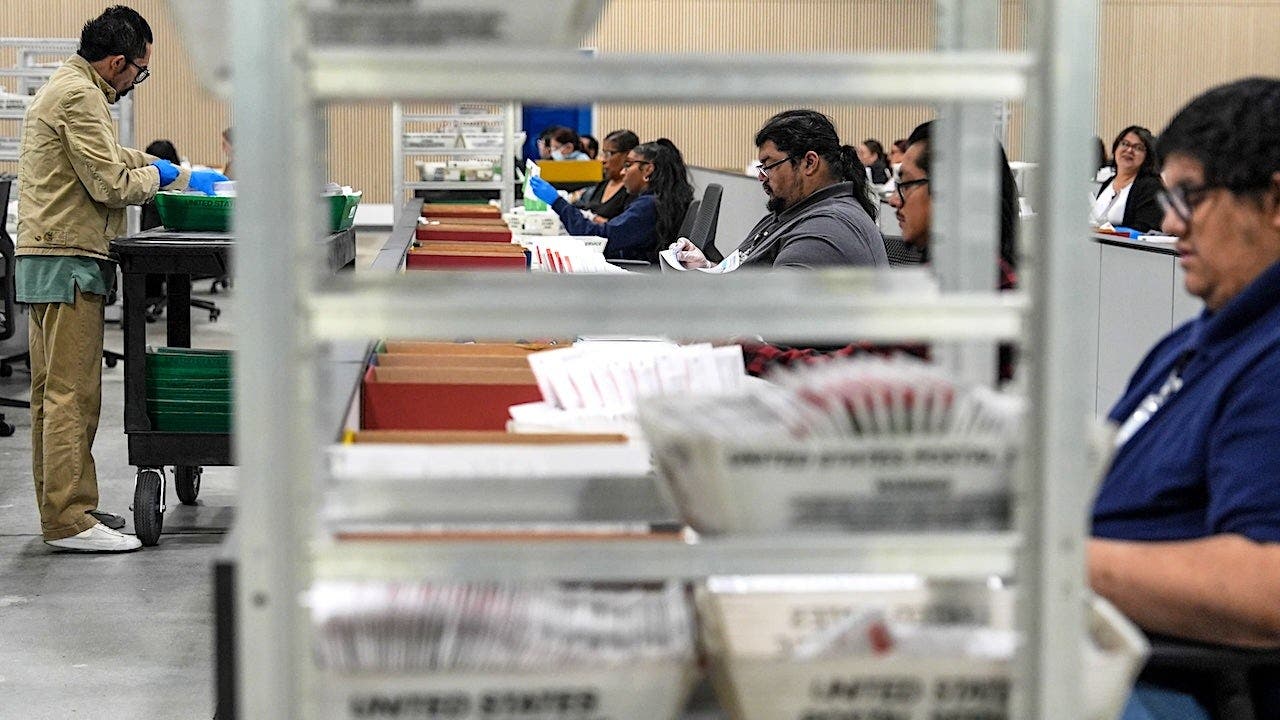
Judge Rejects Bid to Segregate 20,000 California Ballots
Federal judge rejects Trump administration request to set aside suspected noncitizen ballots, citing potential voting disruption. Decision comes amid broader fraud investigations before midterms.
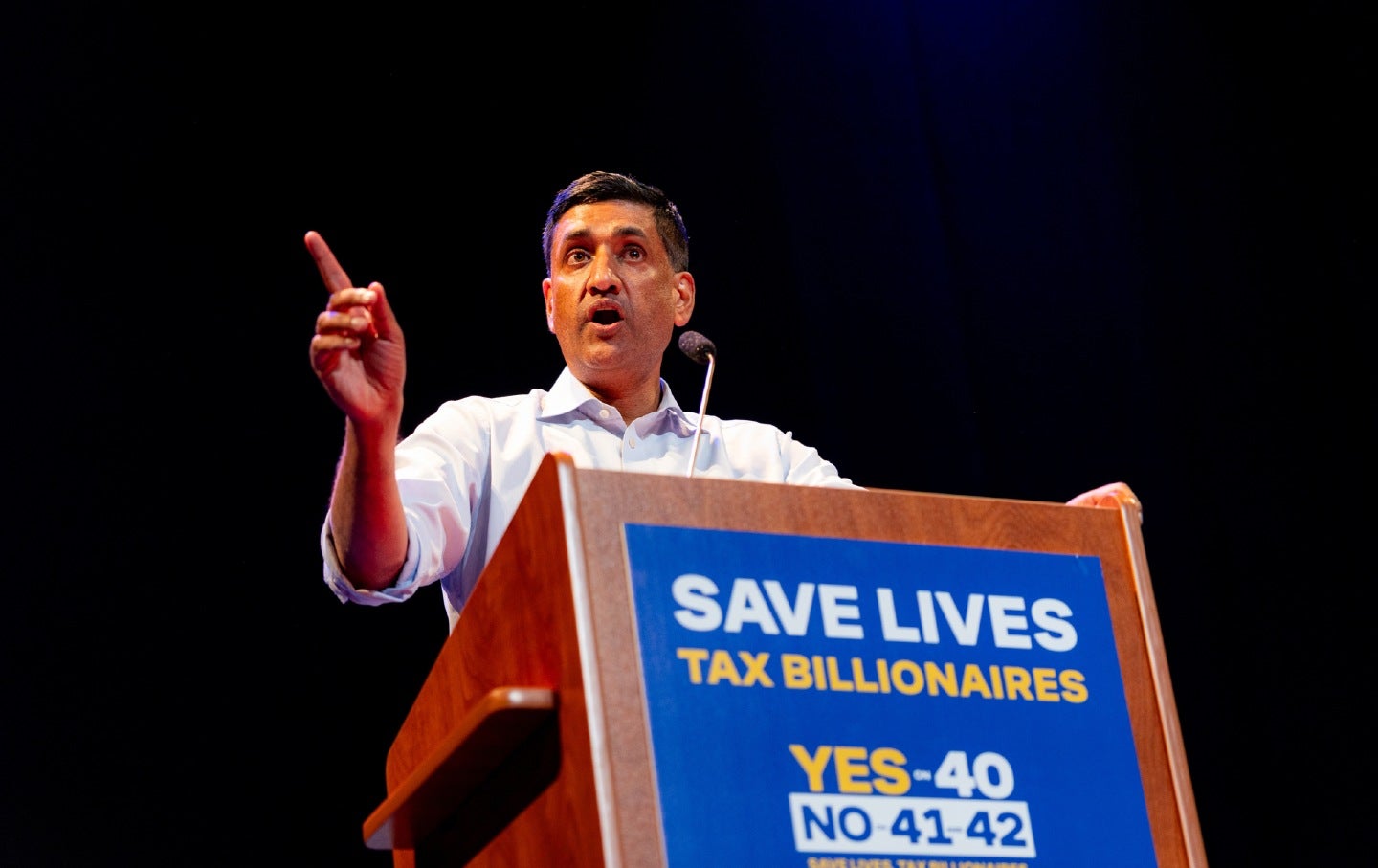
Polls Show Drop in Trump Backing Among White Evangelicals
New surveys show sharp drop in backing from key GOP constituency heading into midterms. Shift highlights potential vulnerabilities for Republicans in final campaign stretch.
The Compass
You just read five takes on one story.
What's your take? Find your political shape in a few minutes.
Take the test