
Polls Show Democrats With 12-Point Midterm Edge as Trump Approval Slips
Cover image from thenation.com, which was analyzed for this article
New polls show Democrats with a double-digit generic ballot edge as Trump unpopularity weighs on Republicans. Candidates distance from White House policies amid fears of losses in key races.
PoliticalOS
Wednesday, September 23, 2026 — Politics
Recent surveys indicate Democratic candidates hold a double-digit generic-ballot lead tied to low Trump approval, and some Republican office-seekers have begun publicly diverging from administration positions on the Iran conflict and energy costs. Whether these trends hold through Election Day remains the central unresolved question.
What outlets missed
No outlet supplied sample sizes, fieldwork dates, or trend lines for the Reuters poll beyond the single 32 percent figure. Coverage omitted any mention of Republican candidates who continue to defend Trump policies or of polling data showing stable GOP support in specific House districts. The reviewed articles also left unexamined the legal and budgetary constraints cities or states would face if they attempted to implement the climate measures discussed in one unrelated report.
Mayors Forge Ahead on Climate Solutions Amid National Gridlock
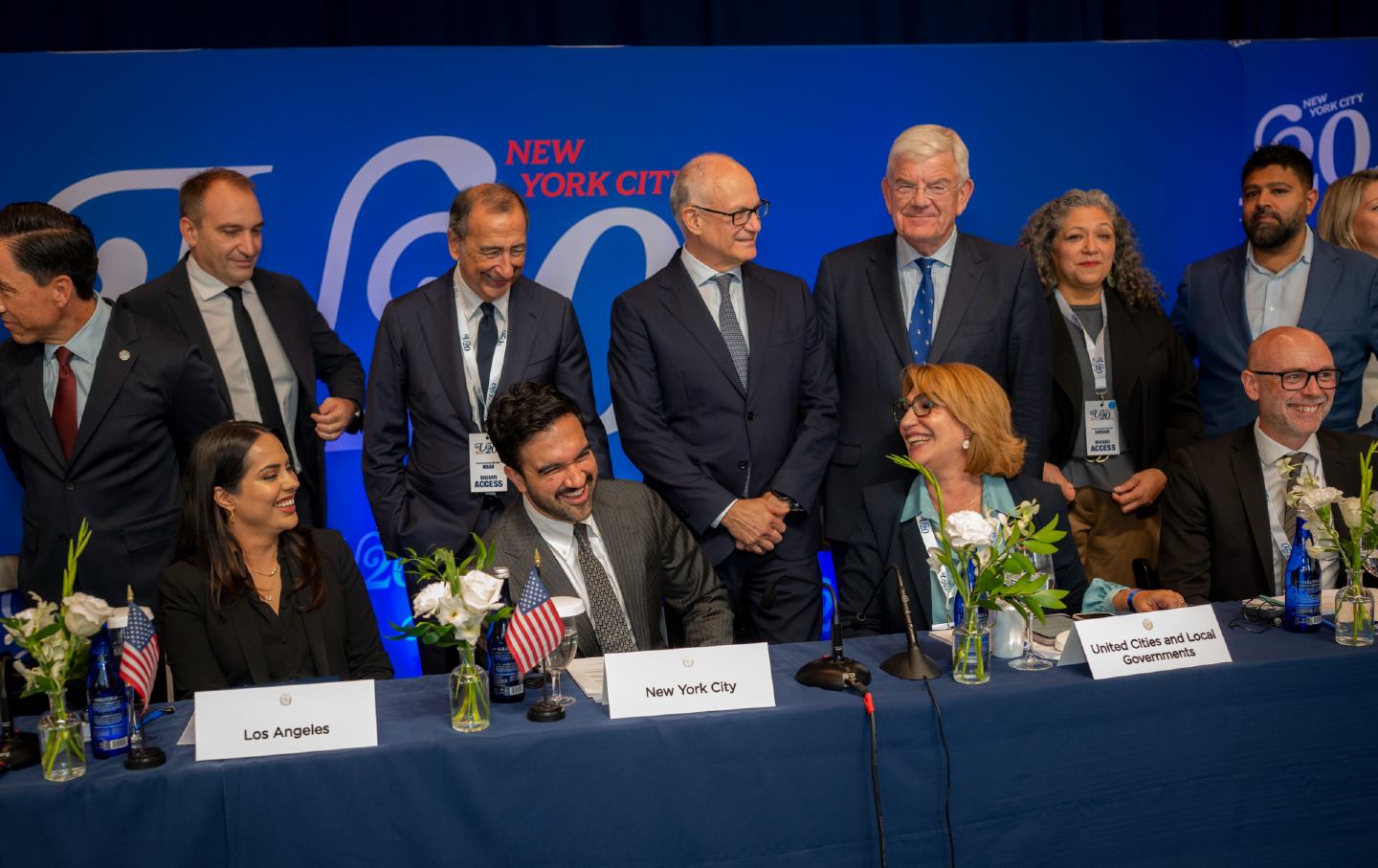
Cities around the world are positioning themselves as the primary engines of climate policy at a moment when national governments appear either unwilling or unable to lead. The 2026 Urban 20 Summit, cohosted by Los Angeles and New York City, brought together mayors and officials from more than 30 metropolitan areas to coordinate responses to rising temperatures, extreme weather, housing shortages, and migration pressures. Organized by C40 Cities and United Cities and Local Governments, the gathering treated climate action not as an isolated environmental issue but as intertwined with urban planning and demographic shifts.
Mayors described their jurisdictions as laboratories where practical experiments can move faster than national legislatures. New York has already confronted intensified rainfall and flooding, while Paris has recorded dangerous heat spikes. Participants argued that these localized impacts demand immediate infrastructure and adaptation measures that national capitals have been slow to fund or approve. The summit emphasized cross-border learning on everything from resilient building codes to transit electrification, with the explicit message that metropolitan leaders would continue regardless of signals from their federal governments.
This local emphasis arrives against a backdrop of weakening national support for the sitting administration. Recent polling shows President Trump’s approval rating at 32 percent in Reuters surveys, the lowest of either term, with just 17 percent approving of his handling of cost-of-living pressures. An NPR/PBS News/Marist poll found voters preferring Democratic congressional candidates by a 53-to-41 margin, a swing that has made competitive races in states Trump carried in 2024. Republican candidates in several districts have begun publicly distancing themselves from administration policies, including the ongoing conflict with Iran, citing rising fuel costs and voter frustration.
The disconnect between national polling trends and city-level activity highlights a structural pattern. When federal policy stalls or reverses, mayors retain direct authority over land use, transportation, building standards, and public health systems that shape emissions trajectories. The U20 discussions focused on scaling proven local interventions rather than waiting for new international agreements. Officials noted that cities already account for the majority of global economic activity and population growth, giving them both the incentive and the capacity to act on adaptation and mitigation even when national governments are divided or distracted.
Housing and migration featured alongside emissions reductions because mayors view these as connected challenges. Climate-driven displacement increases pressure on urban services, while inadequate housing stock limits the ability to accommodate newcomers or retrofit buildings for efficiency. Summit participants shared data on zoning reforms and public investment strategies that several cities have implemented without national backing. The approach reflects a pragmatic calculation: measurable progress on these fronts can be demonstrated to voters before the next national election cycle.
The political environment described in the polls suggests that city leaders may face continued headwinds. Low presidential approval and an enthusiasm gap among the president’s own voters could produce further gridlock in Congress, reducing prospects for new federal climate funding or regulatory support. In that setting, the U20 emphasis on horizontal cooperation among cities offers an alternative pathway. Whether these efforts can deliver emissions reductions at the scale required remains an open question, but the summit made clear that metropolitan governments intend to proceed with or without coordinated national policy.
You just read Liberal's take. Want to read what actually happened?
More in Politics
Democrats Flip Senate, Expand House Majority in Midterms
Democrats flipped the Senate and expanded their House majority in a major rebuke to President Trump and Republicans. Key victories included multiple Senate seats and state-level wins that ended long-standing GOP dominance in places like Texas.
GOP Losses Spur Blame, Vance Distancing, 2028 Maneuvers
Republicans are pointing fingers internally after heavy losses, with Vice President JD Vance distancing himself from Trump over the Iran war and positioning for a potential 2028 run. Challengers within the party are already sensing opportunity.
Democrats Take House and Senate Amid Record Midterm Turnout
Democrats achieved decisive gains in the 2026 midterms, flipping seats to take control of both chambers. Coverage highlights historic turnout and implications for the Trump administration.
Democrats Take House and Senate, Constraining Trump
Democrats flipped both the House and Senate in a major rebuke to President Trump and Republicans. The results create divided government and set up battles over spending, oversight, and foreign policy for the remainder of Trump's term.
The Compass
You just read five takes on one story.
What's your take? Find your political shape in a few minutes.
Take the test