
Polls Show Democrats With 12-Point Midterm Edge as Trump Approval Slips
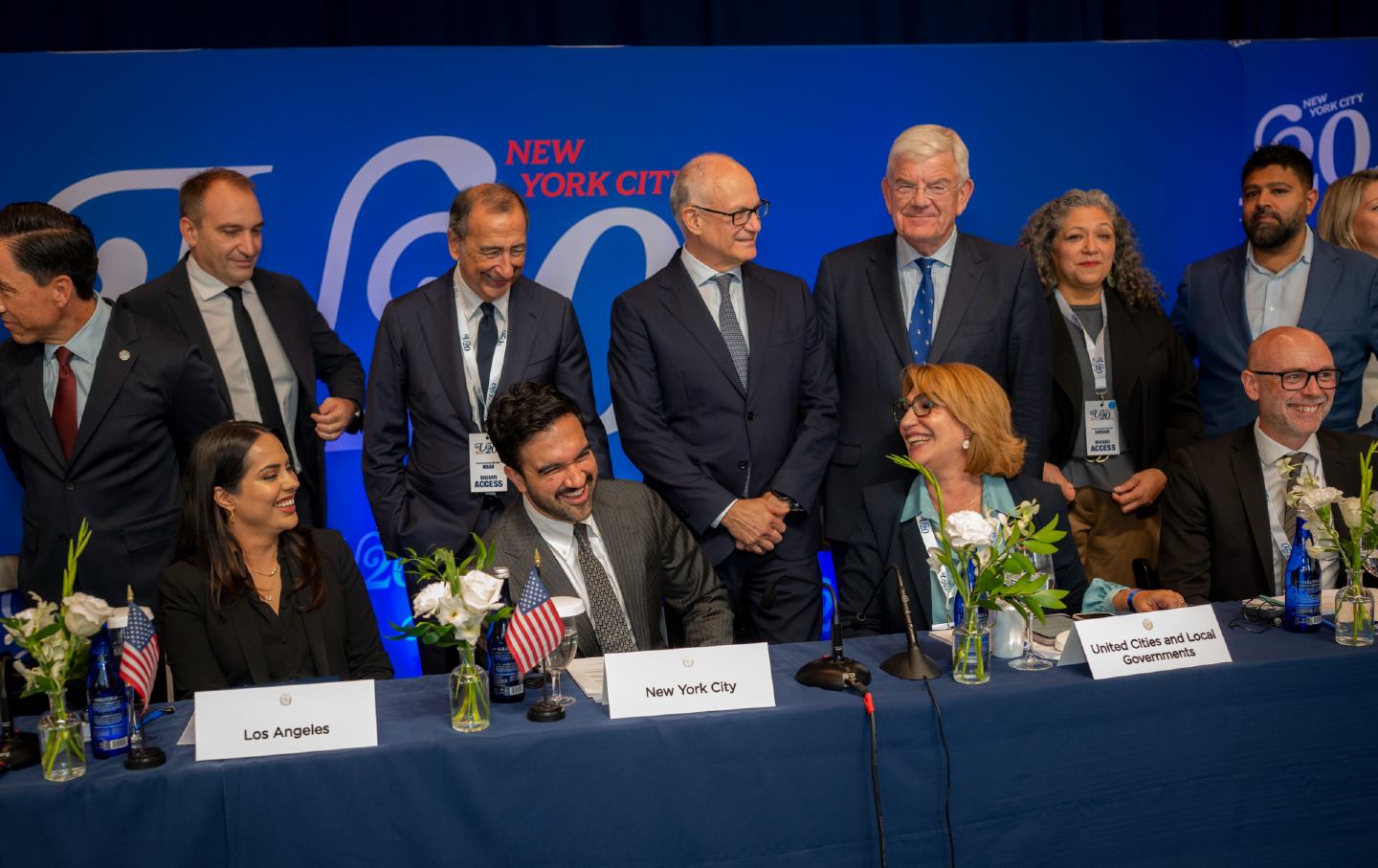
Cover image from thenation.com, which was analyzed for this article
New polls show Democrats with a double-digit generic ballot edge as Trump unpopularity weighs on Republicans. Candidates distance from White House policies amid fears of losses in key races.
PoliticalOS
Wednesday, September 23, 2026 — Politics
Recent surveys indicate Democratic candidates hold a double-digit generic-ballot lead tied to low Trump approval, and some Republican office-seekers have begun publicly diverging from administration positions on the Iran conflict and energy costs. Whether these trends hold through Election Day remains the central unresolved question.
What outlets missed
No outlet supplied sample sizes, fieldwork dates, or trend lines for the Reuters poll beyond the single 32 percent figure. Coverage omitted any mention of Republican candidates who continue to defend Trump policies or of polling data showing stable GOP support in specific House districts. The reviewed articles also left unexamined the legal and budgetary constraints cities or states would face if they attempted to implement the climate measures discussed in one unrelated report.
Mayors Forge Climate Alliances as Trump Faces Voter Revolt Over War and Economy
Mayors from more than 30 cities gathered in Los Angeles and New York this week for the Urban 20 Summit to hammer out concrete steps on climate action, migration, and housing even as national governments stall. The event, organized by C40 Cities and United Cities and Local Governments, highlighted how metropolitan areas bear the brunt of extreme weather while pioneering solutions that larger powers often ignore.
Participants pointed to real-time crises on their streets. New York has seen intensified rains and flash flooding. Paris has endured deadly heat waves. These local leaders argued that cities must fill the gap left by federal inaction, sharing strategies across borders regardless of what their national capitals decide. The summit treated climate not as an isolated issue but as intertwined with migration pressures and affordable housing shortages, pushing for collaborative policies that bypass partisan gridlock at higher levels.
This local momentum stands in sharp relief against the turmoil in Washington. President Donald Trump’s approval rating has sunk to 32 percent in a new Reuters poll, the lowest in the outlet’s tracking across both his terms. Only 73 percent of Republicans still back him, while his handling of the cost of living stands at a dismal 17 percent. An NPR/PBS News/Marist survey shows 45 percent of registered voters plan to cast midterm ballots explicitly against Trump, including large shares of Democrats and independents. Democrats lead Republicans by 12 points in generic congressional preference, a swing that has made competitive races out of traditionally red states such as Ohio, Alaska, Iowa, and Texas.
Republican candidates are scrambling to distance themselves from the administration’s most unpopular moves. The ongoing conflict with Iran has driven up fuel prices, prompting several GOP figures to call for an immediate end to the fighting. Lawmakers who once supported the effort now describe voter frustration even within Trump’s base, with diesel costs cited as “just too damn high.” Some are embracing a gas-tax holiday they previously dismissed when proposed by Democrats. Leaks from GOP operatives to Politico describe races in North Carolina and Georgia slipping away and warn that Trump’s unpopularity has left the party on defense even in safe districts.
Enthusiasm gaps compound the problem. Trump’s 2024 voters show less interest in following the midterms and less contact from campaigns compared with supporters of his 2024 opponent. The result is a political environment where local officials feel increasing pressure to deliver results that national leadership cannot or will not provide. City leaders at the U20 meeting presented their work as a practical counterweight, building international ties and testing policies that could scale if federal resistance eases.
The contrast underscores a widening divide. While mayors coordinate across continents on emissions cuts and resilience measures, the White House contends with record disapproval and internal party panic. Voters appear ready to register that disconnect at the ballot box, turning Trump’s own midterm framing against him in ways that could reshape congressional power.
You just read Progressive's take. Want to read what actually happened?
More in Politics
Democrats Flip Senate, Expand House Majority in Midterms
Democrats flipped the Senate and expanded their House majority in a major rebuke to President Trump and Republicans. Key victories included multiple Senate seats and state-level wins that ended long-standing GOP dominance in places like Texas.
GOP Losses Spur Blame, Vance Distancing, 2028 Maneuvers
Republicans are pointing fingers internally after heavy losses, with Vice President JD Vance distancing himself from Trump over the Iran war and positioning for a potential 2028 run. Challengers within the party are already sensing opportunity.
Democrats Take House and Senate Amid Record Midterm Turnout
Democrats achieved decisive gains in the 2026 midterms, flipping seats to take control of both chambers. Coverage highlights historic turnout and implications for the Trump administration.
Democrats Take House and Senate, Constraining Trump
Democrats flipped both the House and Senate in a major rebuke to President Trump and Republicans. The results create divided government and set up battles over spending, oversight, and foreign policy for the remainder of Trump's term.
The Compass
You just read five takes on one story.
What's your take? Find your political shape in a few minutes.
Take the test