
Midterms Turn on Voter Pain Over Housing, Gas and Groceries
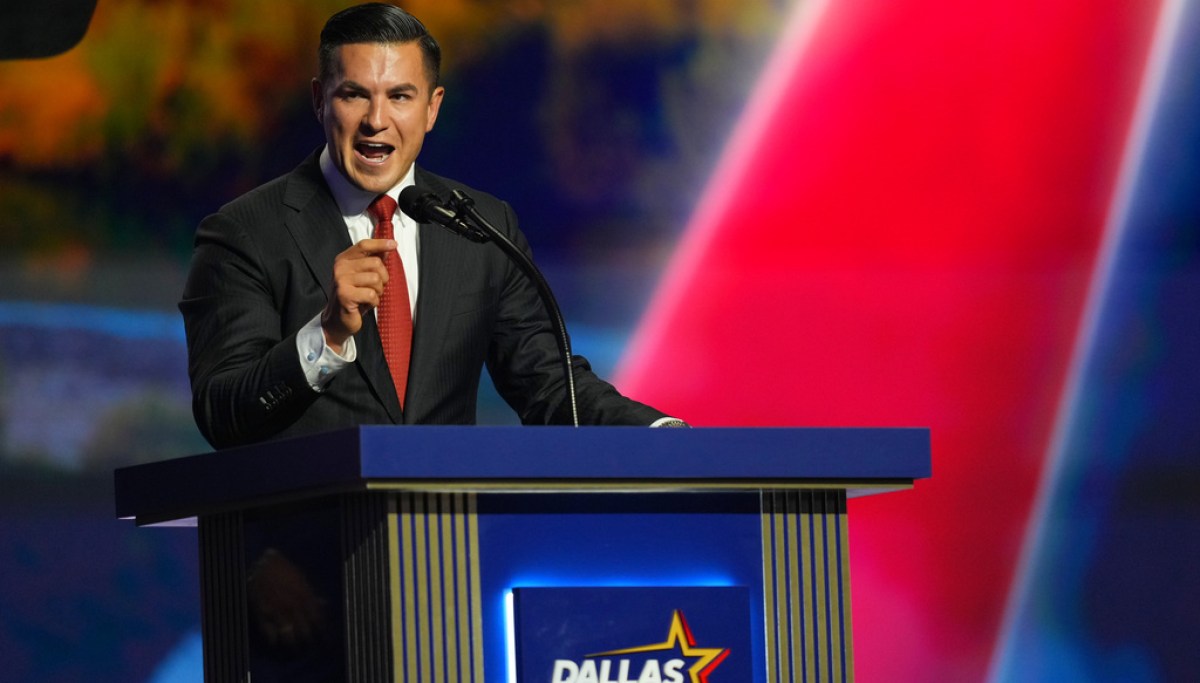
Cover image from washingtonexaminer.com, which was analyzed for this article
Candidates in both parties are centering platforms on inflation, housing costs, and economic pressures as key voter issues. GOP messaging bets culture will outweigh economic pain while Democrats highlight cost-of-living concerns. Coverage reflects the dominant theme across races.
PoliticalOS
Sunday, September 13, 2026 — Politics
Affordability metrics—housing up 50 percent, gas above $4.30, child care and health premiums straining budgets—are driving campaign language from both parties, yet the coverage leaves open whether economic pain or other issues will decide control of Congress.
What outlets missed
The Washington Examiner piece asserts Republicans are deliberately choosing culture over economics but supplies no candidate statements or internal documents confirming that calculation. Fox News notes low Trump approval numbers yet provides no figures or generic-ballot data to assess whether the claimed break from midterm history is plausible. The New York Times references the Iran conflict and the One Big Beautiful Bill Act as cost drivers but omits dates, vote margins or measured price effects that would let readers judge scale.
Voters across both parties rank the cost of housing, groceries and fuel as their top concern less than two months before the November midterms. Candidates are responding with tours, ads and policy pledges aimed at those daily expenses even as an ongoing conflict in Iran has pushed national average gasoline prices above $4.30 a gallon and global oil past $100 a barrel.
The central tension is whether economic pressure will dominate or whether other issues will crowd it out. Democrats are framing affordability as an immediate crisis tied to tariffs, energy policy and expired subsidies, while Republicans are emphasizing border security, tax cuts and cultural appeals in an effort to hold their congressional majorities. Historical precedent shows the party controlling the White House and Congress usually loses seats in midterms, yet GOP candidates at a Dallas convention last week argued their results on the border and taxes would break that pattern.
Housing costs have risen roughly 50 percent since the pandemic began, leaving about one-third of households spending more than 30 percent of income on shelter. Both parties propose faster permitting and limits on institutional investors, though the bipartisan housing package passed in June will take time to affect supply. Groceries are up about 3 percent year over year; Democrats link some of the increase to tariffs and corporate pricing, while Republicans point to prior inflation peaks under the previous administration.
Child-care costs now exceed the 7 percent of household income the federal government considers affordable in every state, and seven in ten Americans told one 2025 poll that raising children is unaffordable. Democrats favor expanded public funding; Republicans favor tax credits. Health-care premiums for employer family coverage averaged about $27,000 last year, with workers paying roughly $6,850 of that total; the lapse of enhanced Affordable Care Act subsidies has doubled some individual premiums. Utility costs are rising with data-center demand, prompting competing proposals to favor natural gas or accelerate renewables.
Republican candidates in competitive districts have appeared with President Trump at the first GOP midterm convention and highlighted border enforcement and the One Big Beautiful Bill Act tax cuts. Democrats counter that those same policies raise costs through tariffs and program changes. No public polling in the provided coverage shows whether cultural messaging is offsetting price concerns in battleground districts.
More in Politics

Trump Bars CNN, MSNBC, Politico; Outlets Sue Over Access
President Trump barred CNN, MS NOW, and Politico from White House access over disputed coverage, prompting the outlets to notify the administration of a planned First Amendment lawsuit. Multiple outlets across the spectrum reported on the escalating conflict between the administration and major media organizations.

ICE Shoots Venezuelan DoorDash Driver in Austin Traffic Stop
An ICE officer shot and wounded a Venezuelan man during an enforcement operation in Austin amid ongoing protests against deportation policies. Coverage highlighted the incident as part of intensified immigration enforcement under the Trump administration.

Tight Midterm Races Test Party Control With 43 Days Left
Democrats and Republicans are locked in tight contests for Senate control with 43 days until the midterms, as candidates navigate Trump-era issues and voter fatigue with past election claims. Fundraising, candidate quality, and state-level dynamics are shaping the battle for Congress.

Trump, Xi to Consider AI Safety Alerts and Trade Truce Extension
President Trump is set to host Chinese leader Xi Jinping this week amid ongoing trade, tariff, and security discussions, including signals on non-strategic goods and farm purchases. The meeting comes as both sides manage broader geopolitical tensions.
The Compass
You just read five takes on one story.
What's your take? Find your political shape in a few minutes.
Take the test