
Midterms Turn on Voter Pain Over Housing, Gas and Groceries
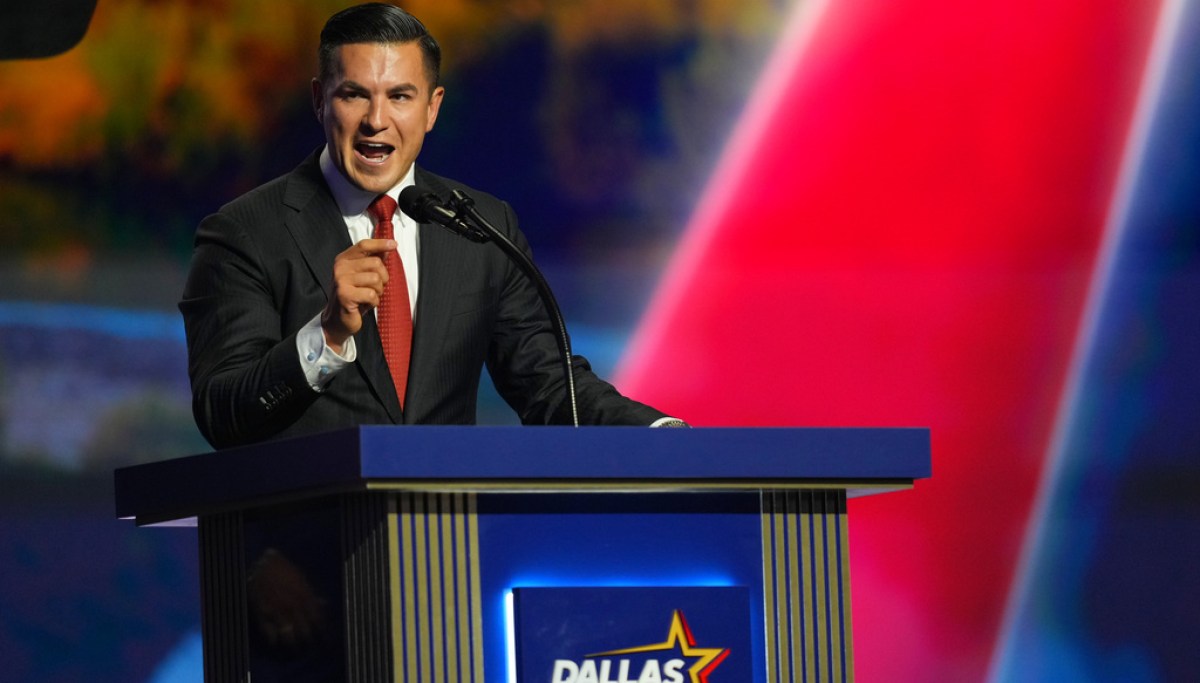
Cover image from washingtonexaminer.com, which was analyzed for this article
Candidates in both parties are centering platforms on inflation, housing costs, and economic pressures as key voter issues. GOP messaging bets culture will outweigh economic pain while Democrats highlight cost-of-living concerns. Coverage reflects the dominant theme across races.
PoliticalOS
Sunday, September 13, 2026 — Politics
Affordability metrics—housing up 50 percent, gas above $4.30, child care and health premiums straining budgets—are driving campaign language from both parties, yet the coverage leaves open whether economic pain or other issues will decide control of Congress.
What outlets missed
The Washington Examiner piece asserts Republicans are deliberately choosing culture over economics but supplies no candidate statements or internal documents confirming that calculation. Fox News notes low Trump approval numbers yet provides no figures or generic-ballot data to assess whether the claimed break from midterm history is plausible. The New York Times references the Iran conflict and the One Big Beautiful Bill Act as cost drivers but omits dates, vote margins or measured price effects that would let readers judge scale.
Candidates Confront Voter Frustration Over Costs in Midterm Races
Economic pressures from inflation and energy prices continue to shape midterm campaigns, with candidates from both parties offering targeted proposals on housing, health care, and daily expenses. Public polls show the cost of living ranking as a top concern across partisan lines, even as overall employment figures added 162,000 jobs in August.
The ongoing conflict with Iran has pushed global oil prices above 100 dollars a barrel, driving average U.S. gasoline costs to 4.30 dollars per gallon. This development adds to voter unease at the pump and in grocery aisles, where prices remain elevated from earlier surges. Republicans in battleground districts have highlighted border security measures and tax reductions enacted since 2024 as steps toward relief, arguing these address supply constraints and reduce government burdens on producers.
Democrats have framed affordability as an urgent crisis tied to prior spending patterns, pushing for more direct interventions in housing markets and health care pricing. Yet analysts note that broad promises often overlook how regulatory barriers and monetary expansions contribute to persistent price increases rather than temporary shocks. Professor Todd Belt of George Washington University observed that voters respond to visible daily realities over abstract messaging.
Republican strategists at a recent convention expressed confidence in overcoming typical midterm losses for the party in power. Incumbents cited specific achievements in immigration enforcement and fiscal adjustments, positioning these as counters to economic headwinds. President Trump addressed attendees directly, urging focus on delivered results amid the conflict's effects.
Critics from the opposing side point to divided public views on economic management, with some polls reflecting skepticism toward administration handling. Historical patterns show wars and expansive policies tend to elevate costs through disrupted supply chains and increased demand pressures, effects that markets eventually reflect regardless of partisan control. Candidates increasingly detail material plans, such as easing zoning restrictions for housing or adjusting energy permitting, rather than relying on general appeals.
Voters express worry not only about current bills but future stability, as resilient job growth coexists with uneven price moderation. Data from prior cycles indicates that interventions promising quick fixes frequently generate unintended distortions, like reduced investment in affected sectors. Both parties face pressure to connect proposals to measurable outcomes in production and distribution rather than sustained spending commitments.
As campaigns enter their final weeks, the emphasis remains on concrete steps to expand supply and limit policy-induced costs, with energy markets serving as a clear test case for how external events intersect with domestic decisions.
You just read Conservative's take. Want to read what actually happened?
More in Politics
Democrats Flip Senate, Expand House Majority in Midterms
Democrats flipped the Senate and expanded their House majority in a major rebuke to President Trump and Republicans. Key victories included multiple Senate seats and state-level wins that ended long-standing GOP dominance in places like Texas.
GOP Losses Spur Blame, Vance Distancing, 2028 Maneuvers
Republicans are pointing fingers internally after heavy losses, with Vice President JD Vance distancing himself from Trump over the Iran war and positioning for a potential 2028 run. Challengers within the party are already sensing opportunity.
Democrats Take House and Senate Amid Record Midterm Turnout
Democrats achieved decisive gains in the 2026 midterms, flipping seats to take control of both chambers. Coverage highlights historic turnout and implications for the Trump administration.
Democrats Take House and Senate, Constraining Trump
Democrats flipped both the House and Senate in a major rebuke to President Trump and Republicans. The results create divided government and set up battles over spending, oversight, and foreign policy for the remainder of Trump's term.
The Compass
You just read five takes on one story.
What's your take? Find your political shape in a few minutes.
Take the test