
Midterms Turn on Voter Pain Over Housing, Gas and Groceries
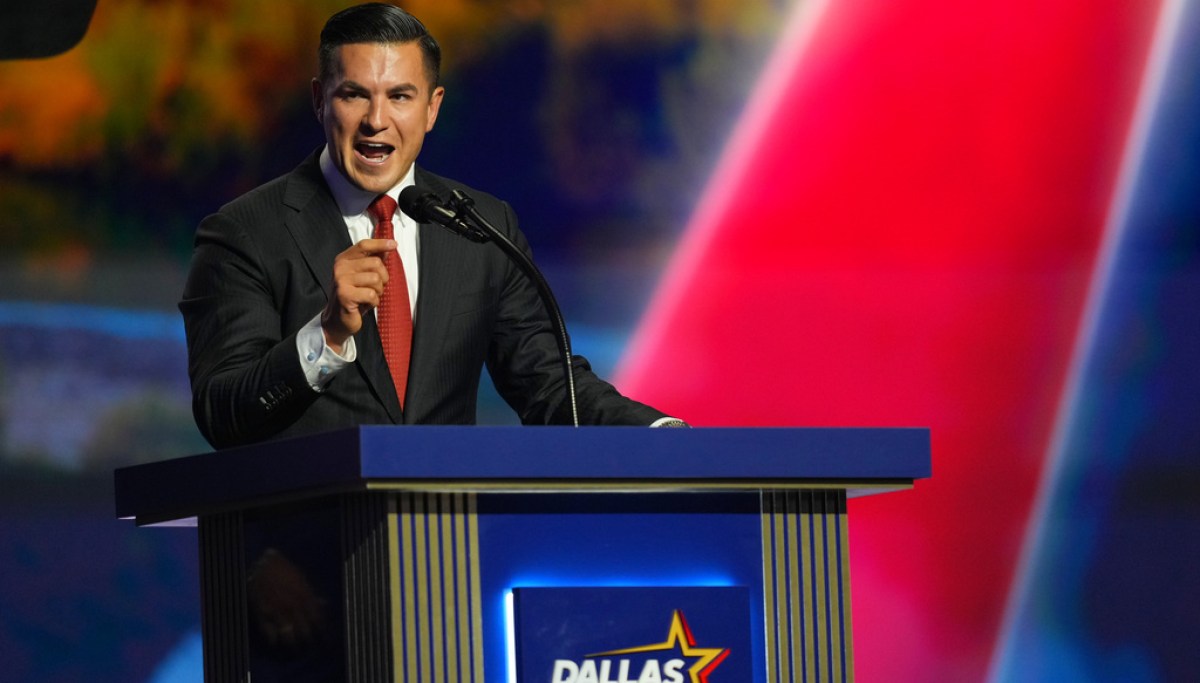
Cover image from washingtonexaminer.com, which was analyzed for this article
Candidates in both parties are centering platforms on inflation, housing costs, and economic pressures as key voter issues. GOP messaging bets culture will outweigh economic pain while Democrats highlight cost-of-living concerns. Coverage reflects the dominant theme across races.
PoliticalOS
Sunday, September 13, 2026 — Politics
Affordability metrics—housing up 50 percent, gas above $4.30, child care and health premiums straining budgets—are driving campaign language from both parties, yet the coverage leaves open whether economic pain or other issues will decide control of Congress.
What outlets missed
The Washington Examiner piece asserts Republicans are deliberately choosing culture over economics but supplies no candidate statements or internal documents confirming that calculation. Fox News notes low Trump approval numbers yet provides no figures or generic-ballot data to assess whether the claimed break from midterm history is plausible. The New York Times references the Iran conflict and the One Big Beautiful Bill Act as cost drivers but omits dates, vote margins or measured price effects that would let readers judge scale.
Republicans Lean on Culture Fights While Gas Prices Hit Voters Hard
Midterm campaigns across the country are highlighting a sharp divide between what candidates say matters and what many Americans experience at the pump and in their budgets. With global oil prices topping 100 dollars a barrel and average gas at 4.30 dollars per gallon, the ongoing conflict with Iran has added direct pressure on household costs nearly 200 days in. Republicans holding Congress and the White House now face voters who list the cost of living as their top concern in poll after poll.
Candidates on both sides have tried to address affordability in concrete terms, from housing costs to health care expenses. Yet the broader economic picture shows mixed signals. Job growth continued with 162,000 positions added in August, but that has not eased the daily strain at grocery stores or filling stations. Democrats have framed the issue as an ongoing crisis tied to earlier inflation spikes, while Republicans point back to the prior administration's policies as the root cause. President Trump has described price complaints as exaggerated or politically manufactured, even as his own past campaign promises on inflation now sit under scrutiny.
At a recent Republican gathering in Dallas, the focus stayed on embracing the president and projecting confidence ahead of November. Trump addressed the crowd directly, urging attendees to treat the midterms as if he were on the ballot himself. Incumbent lawmakers in competitive districts echoed themes of border security and tax relief as evidence of delivered results. The strategy appears aimed at overriding the usual midterm penalty for the party in power by leaning into cultural questions rather than the immediate economic fallout from higher energy costs.
Voters, however, show little sign of separating those threads. Even those who support the administration's overall direction express worry about future expenses, according to analysts tracking public sentiment. The war's effect on fuel supplies has pushed prices higher without a clear end in sight, and that reality lands at the local level regardless of national messaging. Candidates offering detailed plans on lowering specific burdens, such as targeted tax adjustments or housing measures, have drawn more attention than broad assurances.
Republicans calculate that cultural issues can outweigh these pressures for enough voters to hold their majorities. Yet the data on daily costs suggests the bet carries risk. Working households track what they pay for essentials more closely than abstract debates, and the current energy spike traces directly to foreign policy choices. Whether that disconnect narrows or widens by election day will shape outcomes in battleground areas where margins remain tight.
You just read America First's take. Want to read what actually happened?
More in Politics
Democrats Flip Senate, Expand House Majority in Midterms
Democrats flipped the Senate and expanded their House majority in a major rebuke to President Trump and Republicans. Key victories included multiple Senate seats and state-level wins that ended long-standing GOP dominance in places like Texas.
GOP Losses Spur Blame, Vance Distancing, 2028 Maneuvers
Republicans are pointing fingers internally after heavy losses, with Vice President JD Vance distancing himself from Trump over the Iran war and positioning for a potential 2028 run. Challengers within the party are already sensing opportunity.
Democrats Take House and Senate Amid Record Midterm Turnout
Democrats achieved decisive gains in the 2026 midterms, flipping seats to take control of both chambers. Coverage highlights historic turnout and implications for the Trump administration.
Democrats Take House and Senate, Constraining Trump
Democrats flipped both the House and Senate in a major rebuke to President Trump and Republicans. The results create divided government and set up battles over spending, oversight, and foreign policy for the remainder of Trump's term.
The Compass
You just read five takes on one story.
What's your take? Find your political shape in a few minutes.
Take the test