
Midterms Turn on Voter Pain Over Housing, Gas and Groceries
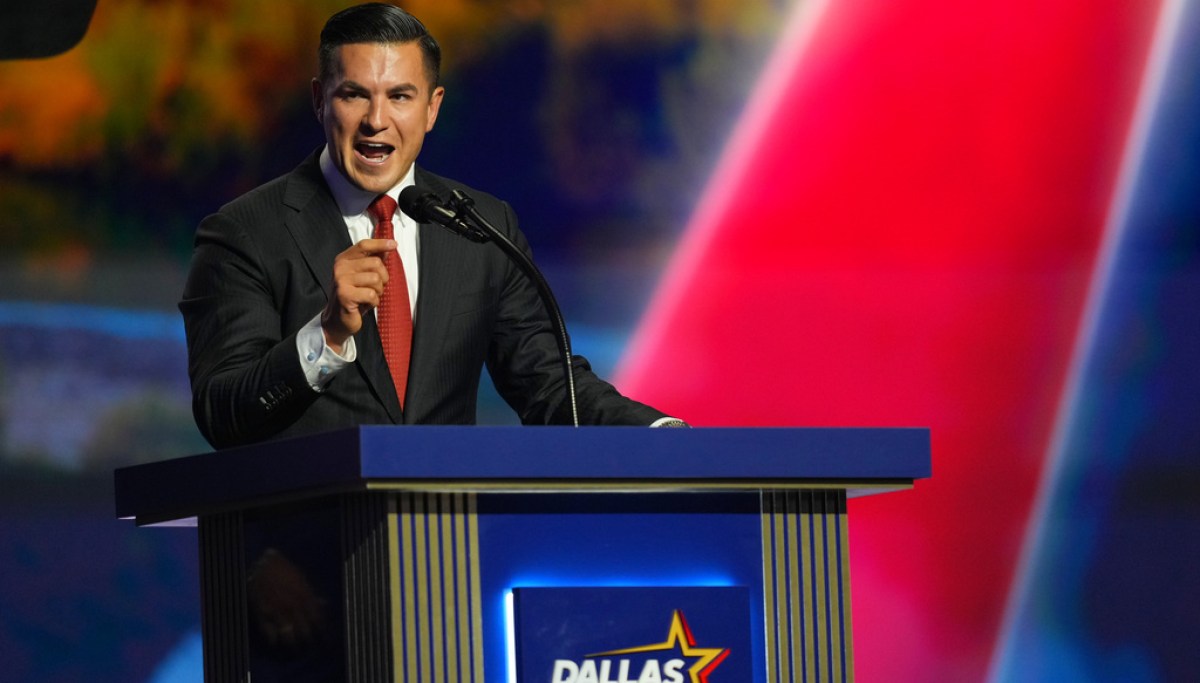
Cover image from washingtonexaminer.com, which was analyzed for this article
Candidates in both parties are centering platforms on inflation, housing costs, and economic pressures as key voter issues. GOP messaging bets culture will outweigh economic pain while Democrats highlight cost-of-living concerns. Coverage reflects the dominant theme across races.
PoliticalOS
Sunday, September 13, 2026 — Politics
Affordability metrics—housing up 50 percent, gas above $4.30, child care and health premiums straining budgets—are driving campaign language from both parties, yet the coverage leaves open whether economic pain or other issues will decide control of Congress.
What outlets missed
The Washington Examiner piece asserts Republicans are deliberately choosing culture over economics but supplies no candidate statements or internal documents confirming that calculation. Fox News notes low Trump approval numbers yet provides no figures or generic-ballot data to assess whether the claimed break from midterm history is plausible. The New York Times references the Iran conflict and the One Big Beautiful Bill Act as cost drivers but omits dates, vote margins or measured price effects that would let readers judge scale.
Republicans Confront Midterm Headwinds Over Affordability and War Costs
Republicans heading into the November midterms are confronting persistent voter anxiety over the cost of living, even as party leaders attempt to shift focus toward cultural issues and rally behind President Trump. With roughly 50 days until Election Day and nearly 200 days into the Iran war, gas prices have climbed to an average of $4.30 per gallon after global oil surpassed $100 a barrel. These developments have amplified concerns about household expenses that polls show rank as a top priority across party lines.
Candidates from both parties have made affordability a central theme, breaking it down into concrete areas such as housing costs, health care and everyday groceries. Democrats have framed the issue as an urgent crisis tied to Republican governance, pointing to inflation that reached four-decade highs during the prior administration and questioning the current handling of the economy. Public surveys indicate widespread skepticism toward Trump's stewardship on these matters, despite claims that prices have stabilized or that the problem stems from earlier Democratic policies.
Republicans, who control the White House and both chambers of Congress, are banking on a departure from typical midterm patterns where the president's party loses ground. At a recent GOP convention in Dallas, Trump urged supporters to treat the contests as a referendum on his agenda, while incumbents highlighted achievements like border security and tax cuts. Some vulnerable House members have embraced the president's involvement more openly than Democrats did with their own leader two years prior, projecting confidence that strong turnout among the base can overcome broader economic discontent.
Yet the war's ripple effects on energy prices have complicated those efforts. Analysts note that the conflict has driven up fuel costs in ways that directly affect daily life, from commuting to shipping goods. Even in districts where the overall job market shows resilience, with 162,000 positions added in August, many voters report feeling squeezed at the pump and in stores. Political observers say candidates are responding with more detailed proposals on relief measures rather than broad slogans, reflecting the tangible nature of the pressure.
The Republican strategy includes emphasizing cultural debates to counterbalance economic grievances. Party figures argue that issues like immigration and traditional values can mobilize supporters more effectively than addressing inflation legacies or wartime spending. Democrats, meanwhile, continue to tie Republican incumbents to the president's mixed messaging on the economy, where assurances of improvement clash with visible price increases.
Voter turnout patterns will likely determine whether these dynamics produce the expected losses for the party in power or allow Republicans to hold their majorities. With affordability remaining a lived reality for many households regardless of political affiliation, campaigns on both sides are refining their approaches to connect specific policies to immediate financial relief.
You just read Progressive's take. Want to read what actually happened?
More in Politics
Democrats Flip Senate, Expand House Majority in Midterms
Democrats flipped the Senate and expanded their House majority in a major rebuke to President Trump and Republicans. Key victories included multiple Senate seats and state-level wins that ended long-standing GOP dominance in places like Texas.
GOP Losses Spur Blame, Vance Distancing, 2028 Maneuvers
Republicans are pointing fingers internally after heavy losses, with Vice President JD Vance distancing himself from Trump over the Iran war and positioning for a potential 2028 run. Challengers within the party are already sensing opportunity.
Democrats Take House and Senate Amid Record Midterm Turnout
Democrats achieved decisive gains in the 2026 midterms, flipping seats to take control of both chambers. Coverage highlights historic turnout and implications for the Trump administration.
Democrats Take House and Senate, Constraining Trump
Democrats flipped both the House and Senate in a major rebuke to President Trump and Republicans. The results create divided government and set up battles over spending, oversight, and foreign policy for the remainder of Trump's term.
The Compass
You just read five takes on one story.
What's your take? Find your political shape in a few minutes.
Take the test