
Early Voting Hits 21 Million as Most Trust Midterm Accuracy
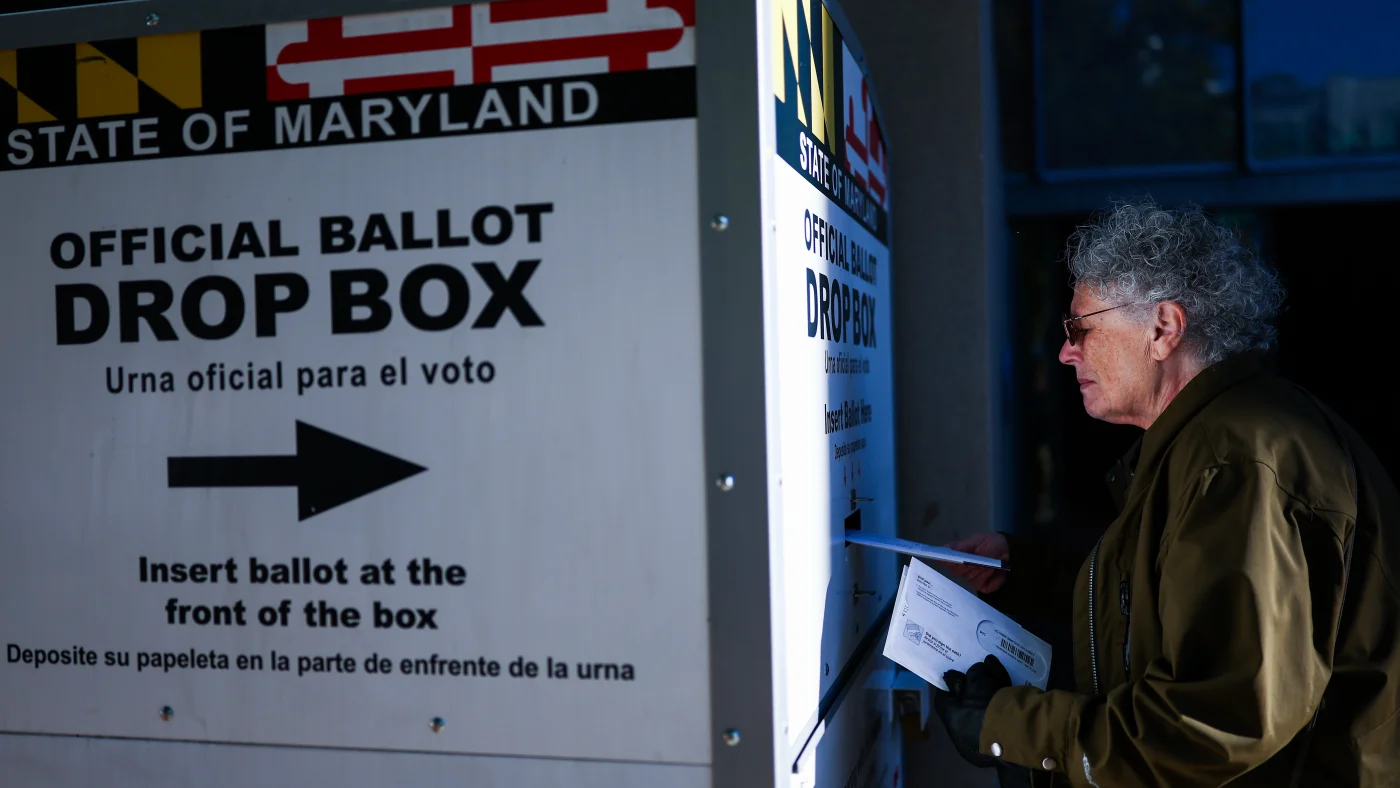
Cover image from npr.org, which was analyzed for this article
Millions have already voted early as parties make final appeals amid $1.4 billion in ad spending; polls show confidence in election accuracy.
PoliticalOS
Friday, October 23, 2026 — Politics
Early voting has already reached 21 million ballots with Democrats participating at higher rates than Republicans so far. Most voters across parties say they trust the accuracy of the results, yet roughly half express concern that Republicans may attempt to overturn them and nearly a third voice the same worry about Democrats.
What outlets missed
Neither outlet supplied data on total advertising spending or specific appeals by the parties in the final stretch. NPR presented early voting figures alongside unrelated military developments without exploring whether the two stories share any connection in voter priorities. The NYT poll did not release or cite crosstabs showing whether concerns about overturning results varied by state or by exposure to specific election-administration changes.
US Bolsters Middle East Forces Ahead of Potential Iran Action While Early Voting Surges
Military reinforcements are heading to the Middle East as the United States and Israel develop plans that could lead to strikes on Iran after the November midterms. A third aircraft carrier is deploying to the region, and Defense Secretary Pete Hegseth has met with Israeli Prime Minister Benjamin Netanyahu. These moves follow increased tensions and come with some American personnel being repositioned out of harm's way. Iranian officials have stated their readiness for either diplomacy or conflict, though their capacity to respond effectively appears limited against combined American and Israeli capabilities.
The timing of any potential military action is a key consideration. President Trump has indicated a preference to weigh options after Election Day to limit disruptions to energy markets. Oil prices remain sensitive to Middle East developments, and sharp increases before voters head to the polls could influence economic perceptions. Historical patterns show that administrations often delay high-risk decisions around election periods when possible, allowing time for assessments of costs and benefits.
At home, millions of Americans have already cast ballots in early voting. A New York Times/Siena poll conducted October 12-19 found that 74 percent of voters express a great deal or fair amount of trust that the midterm results will be accurate. This holds across Democrats, Republicans, and independents. Only 23 percent say they have little or no trust, a modest rise from similar questions about the 2024 presidential contest. Voters in interviews cited long-standing election administration practices as a source of confidence rather than recent policy changes.
The same poll noted that roughly half of respondents worry Republicans might attempt to overturn results. Such concerns reflect partisan divisions that have persisted for years. Claims of widespread fraud or foreign manipulation have circulated from multiple directions, yet actual evidence of systemic problems altering outcomes remains thin based on past audits and court reviews. Public trust appears more resilient than narratives suggesting imminent collapse would predict.
Early voting data shows steady participation without the chaos some forecasts anticipated. Turnout mechanisms, including mail and in-person options, have operated under state-level rules that differ by jurisdiction. These variations allow comparison of results across systems, revealing that localized administration often outperforms centralized mandates in maintaining accuracy.
Strategic decisions on Iran will test priorities beyond the immediate campaign season. Deterrence through demonstrated strength has historically influenced adversary calculations more reliably than repeated diplomatic overtures alone. At the same time, domestic election processes continue to function with broad public acceptance, underscoring that institutions endure despite efforts to portray them as fragile.
You just read Conservative's take. Want to read what actually happened?
More in Politics

Democrats Flip Senate, Expand House Majority in Midterms
Democrats flipped the Senate and expanded their House majority in a major rebuke to President Trump and Republicans. Key victories included multiple Senate seats and state-level wins that ended long-standing GOP dominance in places like Texas.

GOP Losses Spur Blame, Vance Distancing, 2028 Maneuvers
Republicans are pointing fingers internally after heavy losses, with Vice President JD Vance distancing himself from Trump over the Iran war and positioning for a potential 2028 run. Challengers within the party are already sensing opportunity.

Democrats Take House and Senate Amid Record Midterm Turnout
Democrats achieved decisive gains in the 2026 midterms, flipping seats to take control of both chambers. Coverage highlights historic turnout and implications for the Trump administration.
Democrats Take House and Senate, Constraining Trump
Democrats flipped both the House and Senate in a major rebuke to President Trump and Republicans. The results create divided government and set up battles over spending, oversight, and foreign policy for the remainder of Trump's term.
The Compass
You just read five takes on one story.
What's your take? Find your political shape in a few minutes.
Take the test