
Early Voting Hits 21 Million as Most Trust Midterm Accuracy
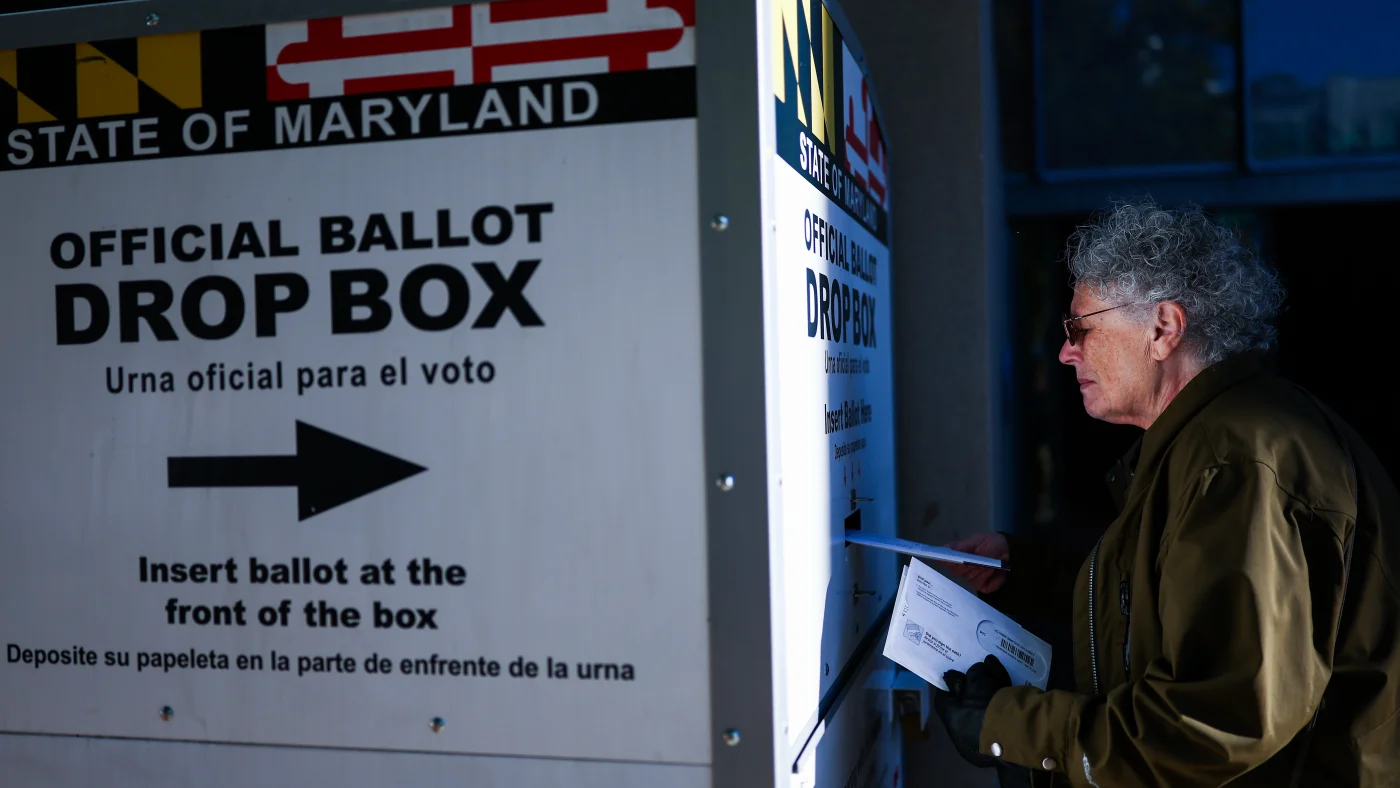
Cover image from npr.org, which was analyzed for this article
Millions have already voted early as parties make final appeals amid $1.4 billion in ad spending; polls show confidence in election accuracy.
PoliticalOS
Friday, October 23, 2026 — Politics
Early voting has already reached 21 million ballots with Democrats participating at higher rates than Republicans so far. Most voters across parties say they trust the accuracy of the results, yet roughly half express concern that Republicans may attempt to overturn them and nearly a third voice the same worry about Democrats.
What outlets missed
Neither outlet supplied data on total advertising spending or specific appeals by the parties in the final stretch. NPR presented early voting figures alongside unrelated military developments without exploring whether the two stories share any connection in voter priorities. The NYT poll did not release or cite crosstabs showing whether concerns about overturning results varied by state or by exposure to specific election-administration changes.
US Bolsters Middle East Forces Ahead of Possible Iran Strikes
US military planners are accelerating preparations for a potential strike on Iran after the midterm elections, with a third aircraft carrier now heading to the region and senior officials holding high level talks in Israel. The moves come as President Trump appears determined to delay any major action until after November 3, a timing that sources say is meant to prevent a surge in oil prices that could affect voter sentiment.
Defense Secretary Pete Hegseth recently met with Israeli Prime Minister Benjamin Netanyahu, and American personnel have begun shifting out of certain exposed positions while reinforcements arrive. Iran has responded by stating it is ready for either diplomacy or conflict, according to its foreign minister. The developments mark a clear escalation in planning even as heavy fighting remains paused for now.
At the same time, a New York Times Siena poll released this week shows that most American voters still believe the upcoming midterm results will be counted accurately. Roughly three quarters of respondents, including majorities across party lines, expressed trust in the process. Yet nearly half voiced specific worries that Republicans might attempt to overturn outcomes they dislike, a concern that has grown since the 2024 presidential contest.
Trump has repeatedly promoted claims of widespread fraud and foreign interference in the voting system, assertions that election officials and courts have rejected in prior cycles. The poll found a modest rise in outright distrust, with 23 percent of voters now saying they have little or no confidence in the accuracy of the results, up from 17 percent two years ago.
The overlap of these stories is hard to ignore. Any military operation launched after the midterms could produce higher energy costs that voters would feel immediately, while lingering doubts about the integrity of the vote itself risk feeding further challenges to certified results. Iranian officials have signaled they see the post election window as a period of heightened risk, and analysts note that the United States and Israel hold clear advantages in any direct confrontation yet face uncertain long term costs.
Early voting has already begun in many states, with millions of ballots cast in the first days. Poll respondents repeatedly cited the long history of peaceful transfers of power as a reason for their basic confidence, even as they acknowledged the new political environment created by repeated attacks on the system from the White House.
The coming weeks will test whether those public assurances hold once the ballots are tallied and any regional decisions move from planning to execution.
You just read Progressive's take. Want to read what actually happened?
More in Politics
Democrats Flip Senate, Expand House Majority in Midterms
Democrats flipped the Senate and expanded their House majority in a major rebuke to President Trump and Republicans. Key victories included multiple Senate seats and state-level wins that ended long-standing GOP dominance in places like Texas.
GOP Losses Spur Blame, Vance Distancing, 2028 Maneuvers
Republicans are pointing fingers internally after heavy losses, with Vice President JD Vance distancing himself from Trump over the Iran war and positioning for a potential 2028 run. Challengers within the party are already sensing opportunity.
Democrats Take House and Senate Amid Record Midterm Turnout
Democrats achieved decisive gains in the 2026 midterms, flipping seats to take control of both chambers. Coverage highlights historic turnout and implications for the Trump administration.
Democrats Take House and Senate, Constraining Trump
Democrats flipped both the House and Senate in a major rebuke to President Trump and Republicans. The results create divided government and set up battles over spending, oversight, and foreign policy for the remainder of Trump's term.
The Compass
You just read five takes on one story.
What's your take? Find your political shape in a few minutes.
Take the test