
Voter Worries Over Prices and Debt Shape Midterm Positioning
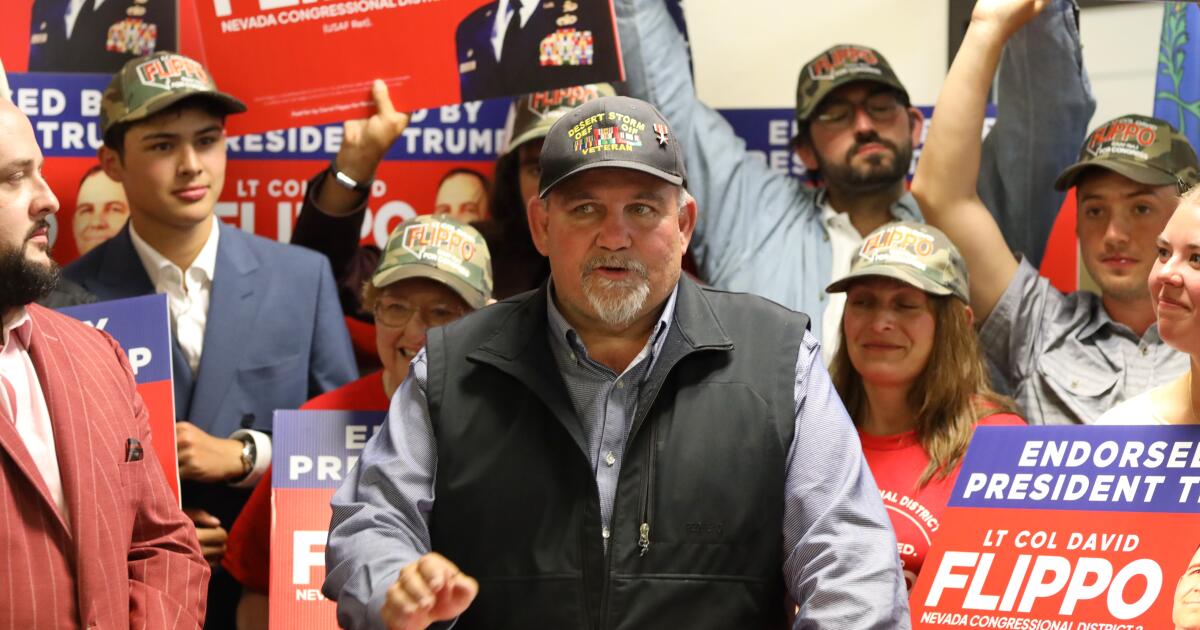
Cover image from latimes.com, which was analyzed for this article
Voters in key races express anxiety over high prices, US debt levels, and affordability, with data centers and tariffs adding to concerns. Democrats and Republicans are positioning on these issues in a cycle reminiscent of past wave elections.
PoliticalOS
Sunday, August 23, 2026 — Politics
Economic pressures and base mobilization remain central to midterm narratives, yet the supplied coverage supplies limited data on debt or affordability and leaves several specific assertions without independent confirmation.
What outlets missed
Neither account examined specific data on federal debt levels, the fiscal impact of data centers, or tariff policy effects on household costs. No outlet provided polling that isolates economic anxiety from other factors such as candidate residency or religious affiliation trends. Broader comparisons to historical wave elections driven primarily by economic conditions were not developed.
Nevada District Tests Parties Adapting to Voter Shifts
The race for Nevada’s Second Congressional District offers an early window into how both parties are navigating demographic and coalitional changes ahead of the midterms. The sprawling district, which stretches across much of northern Nevada and has sent only Republicans to Congress since its creation, is not the sort of terrain where Democrats typically expect a breakthrough. Yet several factors have made the contest competitive enough to draw attention from national strategists tracking whether any wave materializes in November.
Republican nominee David Flippo faces Democrat Daniele Monroe-Moreno in a district where Donald Trump carried 56 percent of the vote in 2024. The area is heavily rural and white outside of Washoe County around Reno, terrain that has long favored conservative candidates. Still, recent polling and local reporting suggest the margin could tighten, driven by voter frustration over inflation, Trump’s declining approval ratings and lingering regional tensions between northern and southern Nevada. Incumbent Republican Mark Amodei, who has held the seat for 15 years, has withheld support from Flippo, further complicating the GOP effort.
Data on religious affiliation add another layer. White Christians, once a reliable Republican bulwark, represent a shrinking share of the electorate nationally. Analysts such as Ryan Burge have documented how this erosion affects long-term GOP coalition building even as the party retains strong support among white evangelicals and white Catholics in the near term. In a district like Nevada’s Second, where cultural and religious identity has historically aligned with Republican messaging, any measurable drop-off among those voters could amplify the impact of economic discontent.
Democrats confront their own coalition pressures. The rise of more explicitly socialist voices within the party has complicated outreach to moderates and working-class voters who once formed part of the New Deal coalition. In Nevada, where service and tourism workers remain a significant bloc, progressive messaging on issues such as wealth taxes or expansive government programs risks reinforcing perceptions of the party as out of step with pragmatic economic concerns. At the same time, the nationalization of politics means local races increasingly reflect these broader tensions rather than purely regional dynamics.
The outcome in the Second District will not by itself determine control of the House. But it illustrates the structural challenge both parties face: Republicans must find ways to replenish support as their traditional religious base contracts, while Democrats must decide whether to consolidate around an activist core or rebuild bridges to voters wary of ideological intensity. Turnout patterns this fall will reveal whether these adjustments are occurring fast enough to alter the expected map.
You just read Liberal's take. Want to read what actually happened?
More in Politics
Democrats Flip Senate, Expand House Majority in Midterms
Democrats flipped the Senate and expanded their House majority in a major rebuke to President Trump and Republicans. Key victories included multiple Senate seats and state-level wins that ended long-standing GOP dominance in places like Texas.
GOP Losses Spur Blame, Vance Distancing, 2028 Maneuvers
Republicans are pointing fingers internally after heavy losses, with Vice President JD Vance distancing himself from Trump over the Iran war and positioning for a potential 2028 run. Challengers within the party are already sensing opportunity.
Democrats Take House and Senate Amid Record Midterm Turnout
Democrats achieved decisive gains in the 2026 midterms, flipping seats to take control of both chambers. Coverage highlights historic turnout and implications for the Trump administration.
Democrats Take House and Senate, Constraining Trump
Democrats flipped both the House and Senate in a major rebuke to President Trump and Republicans. The results create divided government and set up battles over spending, oversight, and foreign policy for the remainder of Trump's term.
The Compass
You just read five takes on one story.
What's your take? Find your political shape in a few minutes.
Take the test