
Voter Worries Over Prices and Debt Shape Midterm Positioning
Cover image from latimes.com, which was analyzed for this article
Voters in key races express anxiety over high prices, US debt levels, and affordability, with data centers and tariffs adding to concerns. Democrats and Republicans are positioning on these issues in a cycle reminiscent of past wave elections.
PoliticalOS
Sunday, August 23, 2026 — Politics
Economic pressures and base mobilization remain central to midterm narratives, yet the supplied coverage supplies limited data on debt or affordability and leaves several specific assertions without independent confirmation.
What outlets missed
Neither account examined specific data on federal debt levels, the fiscal impact of data centers, or tariff policy effects on household costs. No outlet provided polling that isolates economic anxiety from other factors such as candidate residency or religious affiliation trends. Broader comparisons to historical wave elections driven primarily by economic conditions were not developed.
Nevada District Offers Democrats Rare Shot at Midterm Breakthrough
Nevada’s sprawling 2nd Congressional District, long a Republican stronghold stretching from Reno across the high desert to the Utah line, is shaping up as an early indicator of whether Democrats can expand their map in the 2026 midterms. The seat has been held by just four Republicans since its creation more than four decades ago, yet a combination of local resentments, a divided GOP and national headwinds for the party in power is creating an opening that Democrats are eager to test.
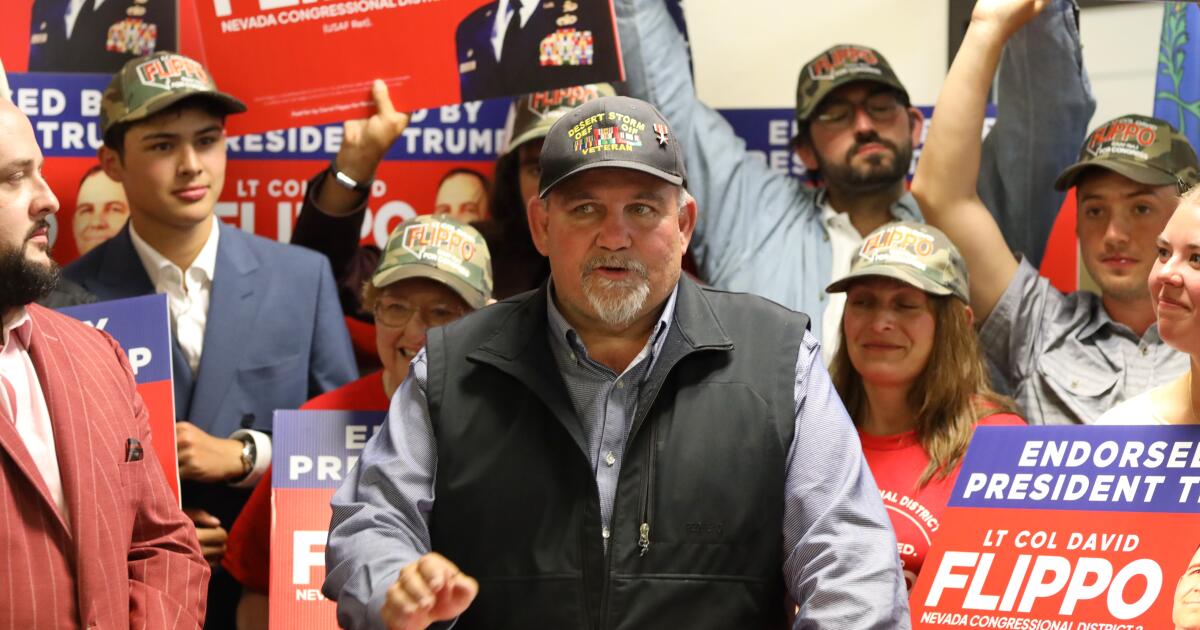
Republican nominee David Flippo, who moved into the district only recently after living in southern Nevada, faces an uphill effort to consolidate support in a place where northern voters have long viewed Las Vegas with suspicion. Incumbent Representative Mark Amodei, who held the seat for 15 years, has made little effort to hide his dissatisfaction with the nominee, posting after the June primary that the district “isn’t a Republican guarantee” for the first time in its history. Amodei’s coolness has left Flippo without the full backing of the party’s local establishment at a moment when voter sentiment appears fluid.
The district delivered a solid win for Donald Trump in 2024, with the former president carrying it 56 percent to 42 percent. Outside Washoe County, however, margins exceeded 50 points in many precincts, underscoring the challenge for any Democrat. Still, analysts note that inflation pressures, Trump’s uneven approval ratings and broader fatigue with the GOP’s national agenda could narrow those gaps. Democrats see the contest as a proving ground: a victory here would signal that the party can compete in terrain once considered off-limits and could foreshadow gains of 30 seats or more nationwide.
Broader demographic trends add another layer of uncertainty for Republicans. Data on religious affiliation show the share of white American Christians, a core GOP constituency, continuing to decline as a percentage of the population. Analysts tracking faith and politics point out that while Republicans have locked in support from white evangelicals and white Catholics in the short term, that base is eroding over time. The shrinkage leaves the party with fewer reliable voters to draw upon in future cycles, even as Democrats grapple with their own internal tensions over the growing influence of progressive factions.
For Democrats, the Nevada race provides a concrete opportunity to capitalize on those Republican vulnerabilities. Party strategists argue that Flippo’s outsider status and the visible split with Amodei offer a narrative of GOP disarray that can be contrasted with Democratic efforts to address cost-of-living concerns. Whether that message resonates in rural counties accustomed to large Republican margins will determine if the district functions as a true bellwether or remains an outlier. Early polling and fundraising reports suggest the contest will remain competitive into the fall, giving both sides a live test of their midterm positioning.
You just read Progressive's take. Want to read what actually happened?
More in Politics
Democrats Flip Senate, Expand House Majority in Midterms
Democrats flipped the Senate and expanded their House majority in a major rebuke to President Trump and Republicans. Key victories included multiple Senate seats and state-level wins that ended long-standing GOP dominance in places like Texas.
GOP Losses Spur Blame, Vance Distancing, 2028 Maneuvers
Republicans are pointing fingers internally after heavy losses, with Vice President JD Vance distancing himself from Trump over the Iran war and positioning for a potential 2028 run. Challengers within the party are already sensing opportunity.
Democrats Take House and Senate Amid Record Midterm Turnout
Democrats achieved decisive gains in the 2026 midterms, flipping seats to take control of both chambers. Coverage highlights historic turnout and implications for the Trump administration.
Democrats Take House and Senate, Constraining Trump
Democrats flipped both the House and Senate in a major rebuke to President Trump and Republicans. The results create divided government and set up battles over spending, oversight, and foreign policy for the remainder of Trump's term.
The Compass
You just read five takes on one story.
What's your take? Find your political shape in a few minutes.
Take the test