
Southern Redistricting Tests Black Voter Turnout in Midterms

Cover image from rawstory.com, which was analyzed for this article
GOP spending heavily to protect Trump-won districts amid concerns in Georgia. Democrats see voting rights rulings boosting Black turnout in Southern races.
PoliticalOS
Thursday, September 17, 2026 — Politics
The November outcome in several Southern districts will show whether post-ruling maps have durably shifted the electorate or whether Democratic turnout efforts can close the gap. Republicans hold structural advantages in fundraising and map design; Democrats are betting on motivation tied to representation questions. No single race yet demonstrates that the mobilization strategy has overcome those advantages.
What outlets missed
Most coverage omitted the specific fundraising ratios and primary turnout data that show the scale of the resource gap Democrats face. Few outlets detailed Republican arguments that maps were drawn purely for partisan gain rather than racial effect, or noted that some districts retained portions of prior Black voter shares. The articles also underplayed the structural reality that Democrats have not won most Southern states even in high-Black-turnout years.
Southern House and Senate races hinge on whether Black voter mobilization can offset new district lines drawn after the Supreme Court limited Voting Rights Act enforcement. Republicans say the maps reflect standard partisan goals. Democrats argue the changes reduce Black voting power and are using the issue to increase turnout.
In Georgia, former Atlanta mayor Keisha Lance Bottoms trails Republican businessman Rick Jackson by a wide fundraising margin yet remains competitive in a governor’s race that both parties view as a test of suburban and Black voter energy. In Mississippi, prosecutor Scott Colom is drawing national Democratic money in his challenge to incumbent Senator Cindy Hyde-Smith. Alabama Representative Shomari Figures is contesting a redrawn district that lost many Black voters but retains enough to keep the seat in play, according to nonpartisan analysts.
Republicans maintain the maps were drawn for party advantage, not racial targeting. National Republican Congressional Committee spokesman Reilly Richardson called Democratic spending in these districts a waste. Mississippi lawmakers are holding additional redistricting hearings that could affect Representative Bennie Thompson’s seat.
Democratic candidates and local organizers are linking the map changes to earlier civil rights struggles. Turnout in recent Democratic primaries rose in Alabama, Georgia, and North Carolina compared with 2022, though Black voters’ share of the Democratic electorate did not increase. Canvassing efforts in Memphis and rallies in Georgia and Mississippi emphasize that votes still matter despite the new boundaries.
Florida’s Senate race features Black Democratic nominee Angie Nixon, while the Republican gubernatorial nominee is Black Representative Byron Donalds. Historical patterns show Democrats need support beyond Black voters to win statewide in the South; even in 2008, Barack Obama carried only two Southern states.
The unresolved question is whether the combination of higher primary turnout, targeted Democratic spending, and messaging about representation will narrow enough Republican-held seats to affect House or Senate control.
More in Politics
UN Panel Cites Grounds for US War Crimes in Iran Strikes
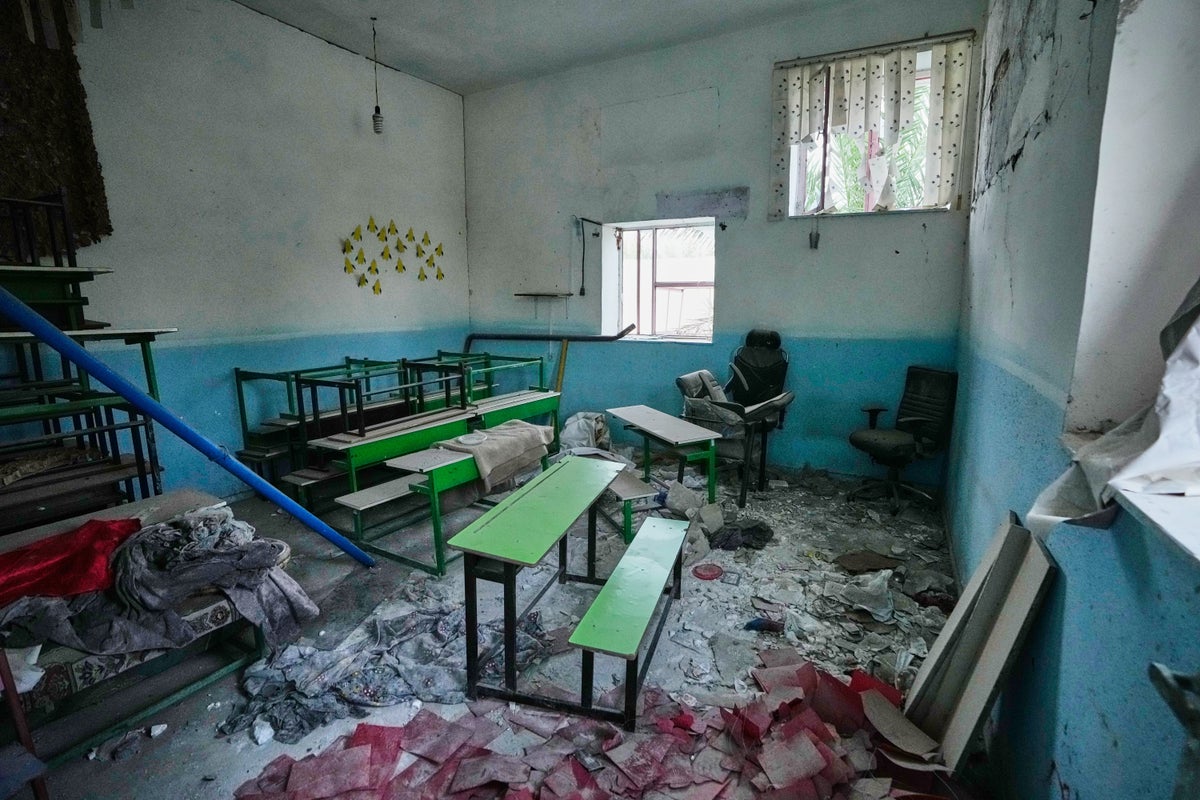
The Iran conflict enters a new phase focused on reconstruction after US strikes destroyed nuclear sites. UN experts cite possible US war crimes killing civilians while oil prices stay elevated.

Trump Warns of Tariffs as EU Offers Canada Associate Status
The EU invited Canada as its first associate member on defense and energy. Trump called it a hostile act and threatened new tariffs on Europe in response.

Minnesota Judge Warns ICE Order Violations Threaten Rule of Law
A federal judge warned ICE operations in Minnesota threaten the rule of law. The administration has frozen billions in grants with pediatricians raising health care access alarms.

Patel Cites 54,000 Arrests, Crime Drops; Democrats Challenge Record
Director Patel cited over 54,000 arrests and major drops in violent crime under Trump as historic. Democrats on the Senate Judiciary Committee questioned the record during hearings.
The Compass
You just read five takes on one story.
What's your take? Find your political shape in a few minutes.
Take the test