
Demuth Tops Lindell for Minnesota GOP Governor Nomination
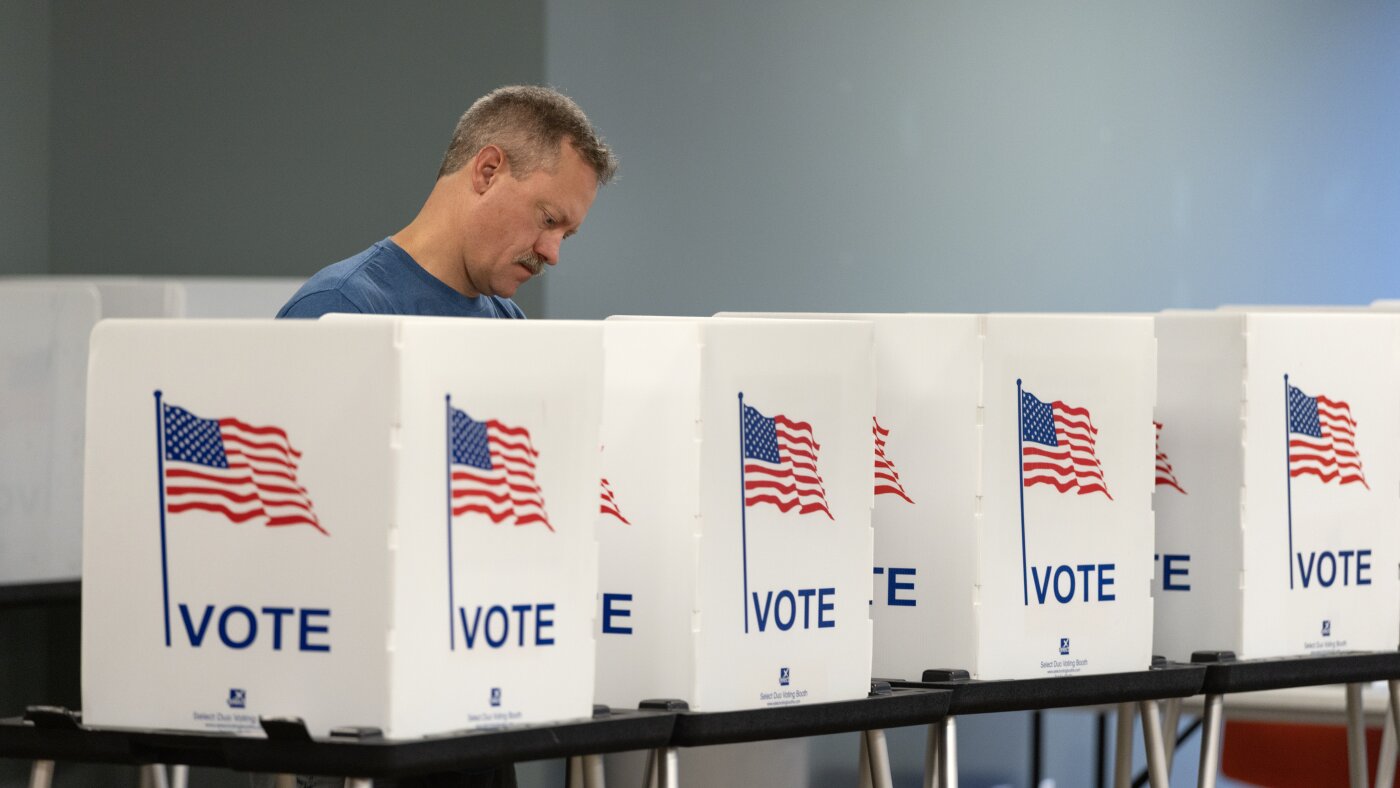
Cover image from npr.org, which was analyzed for this article
GOP nominee Lisa Demuth defeated Trump-endorsed Mike Lindell in the Minnesota governor's race, while progressive Peggy Flanagan won the Democratic Senate primary.
PoliticalOS
Wednesday, August 12, 2026 — Politics
Demuth’s win over the Trump-endorsed candidate and Flanagan’s defeat of a moderate incumbent both occurred in the same primary cycle. The results leave Minnesota Republicans seeking their first gubernatorial victory in two decades while testing whether progressive momentum in the Democratic primary translates to the general election.
What outlets missed
Most coverage omitted detailed turnout figures or county-level breakdowns that would clarify whether Demuth’s margin reflected broad participation or narrower engagement. Few outlets examined the specific provisions of the Laken Riley Act beyond noting its expansion of enforcement authority or its bipartisan passage. Little attention was given to Qualls’s third-place finish or his prior unsuccessful runs for Congress and governor. The mechanics of a potential Senate vacancy if Klobuchar wins the general election received minimal mention outside one outlet.
Demuth Wins Minnesota GOP Governor Primary Over Trump-Backed Lindell
Minnesota House Speaker Lisa Demuth secured the Republican nomination for governor Tuesday night, defeating MyPillow founder Mike Lindell and state party-endorsed candidate Kendall Qualls in a contest that tested the reach of national endorsements. Demuth captured 43.6 percent of the vote to Lindell's 32.3 percent, with the remainder split among other contenders including Qualls. The outcome sets up a November matchup against Democratic Sen. Amy Klobuchar, who won her party's primary with nearly 90 percent of the vote.
Demuth, who has led the state House, positioned her campaign around restoring competence to state government after years of documented fraud and mismanagement under outgoing Gov. Tim Walz. She highlighted the need for tighter oversight of public funds and practical policies aimed at families and businesses rather than symbolic gestures. In her victory remarks, Demuth stressed that voters signaled a desire for measurable change at the top, focusing on ending waste and making government function more reliably.
Lindell entered the race with President Donald Trump's public backing, which emphasized his efforts on election integrity and personal loyalty to the president's agenda. Trump described Lindell as a dedicated patriot capable of turning around Minnesota's direction. Despite that support and Lindell's national profile, the results showed limited carryover in this primary. The state Republican Party had endorsed Qualls, a businessman and veteran, at its convention earlier in the year, yet neither endorsement proved decisive against Demuth's established record in the legislature.
The race illustrated divisions within the Minnesota GOP between candidates tied to national figures and those drawing on local legislative experience. Demuth prevailed without major outside backing, suggesting voters weighed day-to-day governance credentials more heavily than celebrity or alignment with Washington priorities. Turnout data and precinct results pointed to stronger support in suburban and rural districts where concerns over state spending and regulatory burdens run high.
On the Democratic side, Klobuchar's dominant primary performance reflected her long record of statewide victories, though she has sought to distance her campaign from the Walz administration's handling of fraud cases. She has pledged to deliver concrete results on accountability and economic stability. Minnesota has not elected a Republican governor since 2006, placing added weight on Demuth's ability to consolidate support ahead of the general election.
The primary results arrive amid broader voter frustration with government performance on issues like fraud prevention and fiscal discipline. Demuth's win positions the Republican ticket to argue for incremental reforms grounded in legislative experience rather than untested outsiders. Both parties now turn to a fall campaign where records on delivering functional state services will likely dominate over national endorsements.
You just read Conservative's take. Want to read what actually happened?
More in Politics
Democrats Flip Senate, Expand House Majority in Midterms
Democrats flipped the Senate and expanded their House majority in a major rebuke to President Trump and Republicans. Key victories included multiple Senate seats and state-level wins that ended long-standing GOP dominance in places like Texas.
GOP Losses Spur Blame, Vance Distancing, 2028 Maneuvers
Republicans are pointing fingers internally after heavy losses, with Vice President JD Vance distancing himself from Trump over the Iran war and positioning for a potential 2028 run. Challengers within the party are already sensing opportunity.
Democrats Take House and Senate Amid Record Midterm Turnout
Democrats achieved decisive gains in the 2026 midterms, flipping seats to take control of both chambers. Coverage highlights historic turnout and implications for the Trump administration.
Democrats Take House and Senate, Constraining Trump
Democrats flipped both the House and Senate in a major rebuke to President Trump and Republicans. The results create divided government and set up battles over spending, oversight, and foreign policy for the remainder of Trump's term.
The Compass
You just read five takes on one story.
What's your take? Find your political shape in a few minutes.
Take the test