
Demuth Tops Lindell for Minnesota GOP Governor Nomination
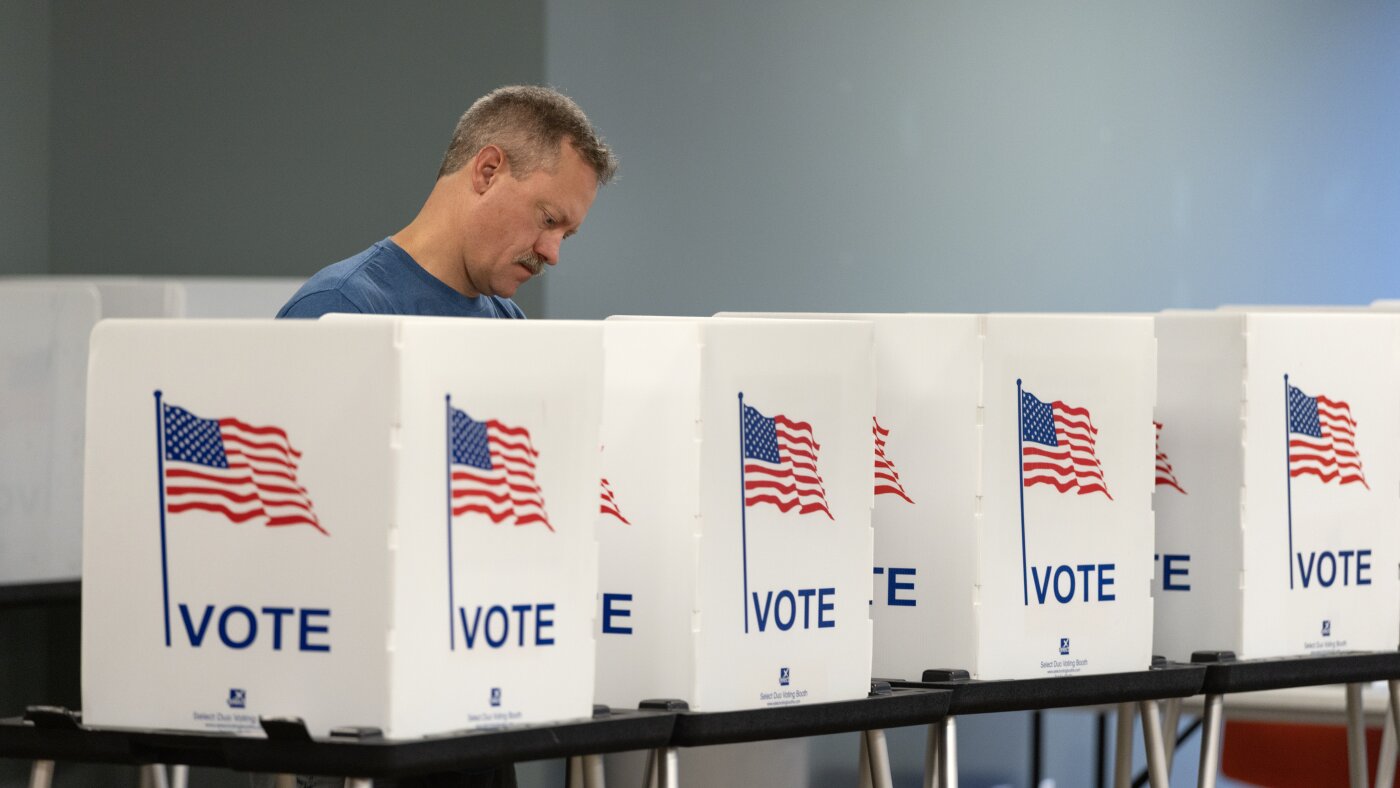
Cover image from npr.org, which was analyzed for this article
GOP nominee Lisa Demuth defeated Trump-endorsed Mike Lindell in the Minnesota governor's race, while progressive Peggy Flanagan won the Democratic Senate primary.
PoliticalOS
Wednesday, August 12, 2026 — Politics
Demuth’s win over the Trump-endorsed candidate and Flanagan’s defeat of a moderate incumbent both occurred in the same primary cycle. The results leave Minnesota Republicans seeking their first gubernatorial victory in two decades while testing whether progressive momentum in the Democratic primary translates to the general election.
What outlets missed
Most coverage omitted detailed turnout figures or county-level breakdowns that would clarify whether Demuth’s margin reflected broad participation or narrower engagement. Few outlets examined the specific provisions of the Laken Riley Act beyond noting its expansion of enforcement authority or its bipartisan passage. Little attention was given to Qualls’s third-place finish or his prior unsuccessful runs for Congress and governor. The mechanics of a potential Senate vacancy if Klobuchar wins the general election received minimal mention outside one outlet.
Minnesota Republicans Choose House Speaker Lisa Demuth Over Trump-Endorsed Mike Lindell in Governor Primary
Lisa Demuth, the speaker of the Minnesota House, won the Republican nomination for governor on Tuesday, defeating MyPillow founder Mike Lindell and state party-endorsed candidate Kendall Qualls in a contest that tested the reach of competing factions within the party. With more than 40 percent of the vote, Demuth advanced to face Democratic Sen. Amy Klobuchar in November, a matchup that will test whether Republicans can overcome a 20-year drought in statewide executive races.
The primary reflected divisions over strategy and loyalty. Lindell, who received a public endorsement from President Trump, finished second with roughly 32 percent. Trump had praised Lindell as a fighter on election integrity and capable of restoring competence to state government. Yet the endorsement proved insufficient against Demuth, who ran without the formal backing of either the president or the state party apparatus. Qualls, selected at the Republican convention in May, placed third. Demuth's victory suggests that name recognition from her legislative role and a focus on local governance resonated more with primary voters than national celebrity or institutional endorsement.
Trump's mixed results across Tuesday's primaries elsewhere underscore the uneven influence of his support this cycle. While his preferred candidates advanced in some states, the Minnesota outcome aligns with evidence that his backing carries less weight in races where voters prioritize state-level competence over national signaling. Demuth's campaign emphasized fraud prevention and practical reforms, themes that echo ongoing scrutiny of state programs under the outgoing Democratic administration.
On the Democratic side, Klobuchar secured her party's nomination with nearly 90 percent of the vote. She has positioned her bid around restoring public trust through concrete results on fraud and service delivery, a deliberate contrast to criticisms leveled at Gov. Tim Walz. Klobuchar's consistent record of double-digit victories in Senate races gives her a structural advantage in a state that has not elected a Republican governor since 2006. If she wins in November, her Senate seat would trigger a special election process controlled by the sitting governor.
The general election will likely hinge on voter assessments of competence and institutional repair rather than national polarization alone. Demuth enters as an underdog but with a demonstrated ability to consolidate support across party factions. Klobuchar's challenge will be translating her Senate-level popularity into a gubernatorial coalition amid persistent concerns over state administration. Minnesota's outcome illustrates how primary voters can reward candidates who navigate internal divisions without relying on external validation, setting a narrower path for the fall campaign.
You just read Liberal's take. Want to read what actually happened?
More in Politics
Democrats Flip Senate, Expand House Majority in Midterms
Democrats flipped the Senate and expanded their House majority in a major rebuke to President Trump and Republicans. Key victories included multiple Senate seats and state-level wins that ended long-standing GOP dominance in places like Texas.
GOP Losses Spur Blame, Vance Distancing, 2028 Maneuvers
Republicans are pointing fingers internally after heavy losses, with Vice President JD Vance distancing himself from Trump over the Iran war and positioning for a potential 2028 run. Challengers within the party are already sensing opportunity.
Democrats Take House and Senate Amid Record Midterm Turnout
Democrats achieved decisive gains in the 2026 midterms, flipping seats to take control of both chambers. Coverage highlights historic turnout and implications for the Trump administration.
Democrats Take House and Senate, Constraining Trump
Democrats flipped both the House and Senate in a major rebuke to President Trump and Republicans. The results create divided government and set up battles over spending, oversight, and foreign policy for the remainder of Trump's term.
The Compass
You just read five takes on one story.
What's your take? Find your political shape in a few minutes.
Take the test