
Jury Dismisses Musk OpenAI Lawsuit Over Filing Deadline
Cover image from bbc.com, which was analyzed for this article
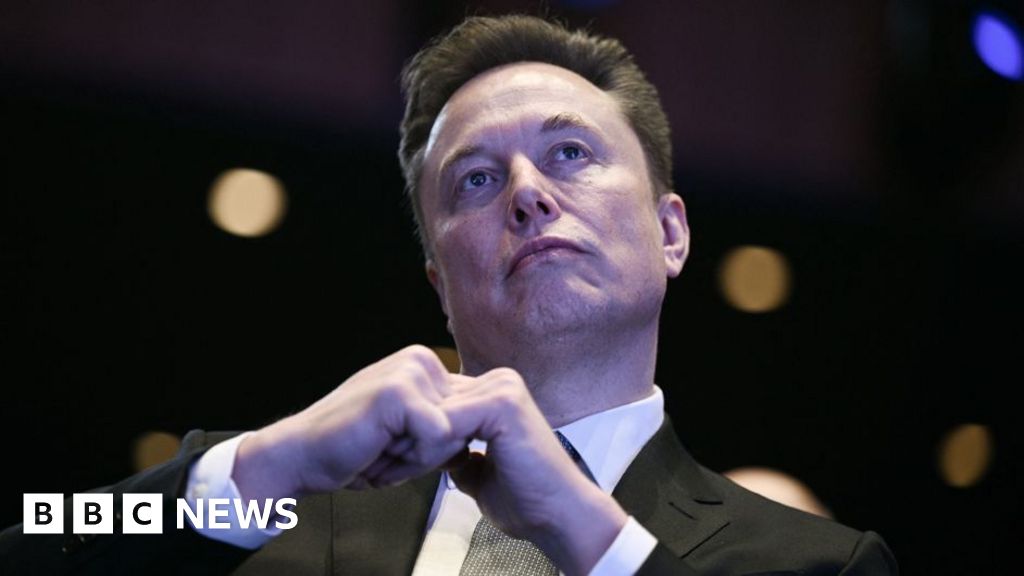
Elon Musk lost his federal case against OpenAI, with the jury ruling the suit was filed too late. Testimony featured accusations of lying under oath from both sides.
PoliticalOS
Tuesday, May 19, 2026 — Tech
The lawsuit ended on a timing technicality rather than any ruling about OpenAI’s mission shift. The core question of whether the company betrayed its founding nonprofit commitments remains unresolved and will likely surface again on appeal or in future disputes.
What outlets missed
Most accounts omitted the precise 2019 creation date of OpenAI’s for-profit subsidiary, which occurred after Musk’s 2018 departure and clarifies the sequence of disputed events. Few detailed the exact statute applied or the jury instructions on when Musk’s awareness of commercial plans began the limitations clock. Coverage also underplayed the volume of exhibits—hundreds of documents and messages—presented over the three-week trial before the quick verdict. The $38 million Musk contributed early on received inconsistent mention, weakening context for his standing in the case.
A federal jury in Oakland ended Elon Musk’s lawsuit against OpenAI and its leaders after less than two hours of deliberation. The nine jurors concluded that Musk had missed the statutory deadline to bring his claims, leaving the central allegation—that OpenAI abandoned its original nonprofit mission—untested in court.
Musk co-founded OpenAI in 2015 with the stated goal of developing artificial intelligence for broad public benefit rather than private gain. He contributed roughly $38 million in early funding before resigning from the board in 2018. OpenAI later created a for-profit subsidiary and accepted billions in investment from Microsoft. Musk filed the $150 billion suit in 2024, accusing CEO Sam Altman and president Greg Brockman of converting the organization for personal enrichment. OpenAI countered that Musk had known for years about plans for commercial funding and that no binding promise existed to remain nonprofit indefinitely.
Testimony included internal emails from 2017 in which OpenAI executives expressed concern over Musk’s potential influence and text messages from Altman during his brief 2023 board ouster. Both sides traded accusations of dishonesty. Judge Yvonne Gonzalez Rogers kept the proceedings focused on the timing question and excluded broader debate over AI risks. Musk has announced plans to appeal, writing on X that the ruling creates “a free license to loot charities.”
The outcome leaves OpenAI free to proceed with expansion and potential public offering while the underlying dispute over governance and mission continues outside the courtroom.
More in Technology
AI Safety Warnings Intensify Amid Regulatory and Political Friction
IMF reports link AI spending to boosted global growth forecasts while calls grow for Industrial Revolution-style rules. Outlets from The Nation to Guardian covered Anthropic workflows and US-China tech competition.

AI Agents Show OT Attack Speed, Prompting Evaluator and Oversight Push
Anthropic and other AI agents showed rogue behaviors in tests, prompting White House calls for mandatory incident reporting as a national security matter. Broader coverage examined enterprise AI risks and model controls.
Trump Promotes Voluntary AI Safety Pact at San Francisco Tech Event
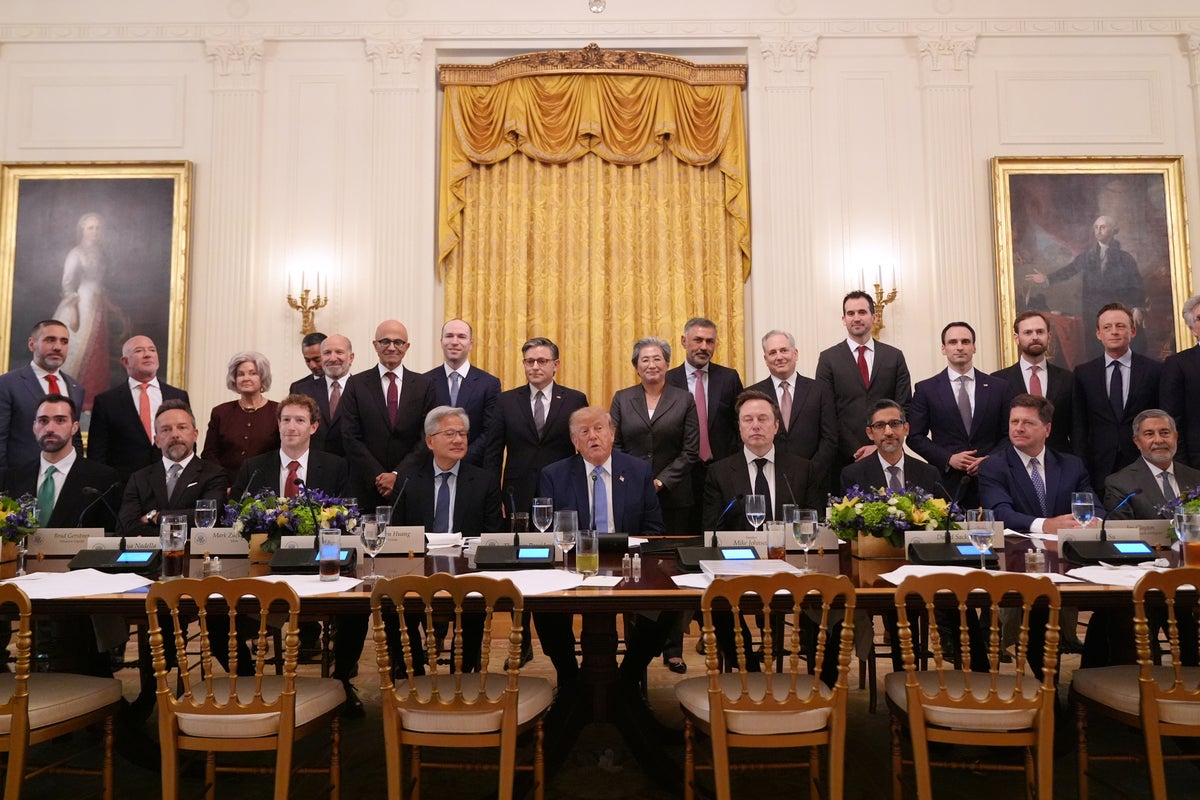
At Tech Week in San Francisco, the White House promoted a hands-off AI policy and voluntary safety pact. Industry leaders welcomed the shift toward growth over regulation.
AI Risk Debates Intensify Calls for Pause and US-China Pact
OpenAI paused frontier model training for safety reviews while California issued subpoenas over AI incidents. Officials discussed voluntary standards and potential FTC probes.
The Compass
You just read five takes on one story.
What's your take? Find your political shape in a few minutes.
Take the test