
Guard Member Arrested After Drawing Gun on Colleague Over Haircuts
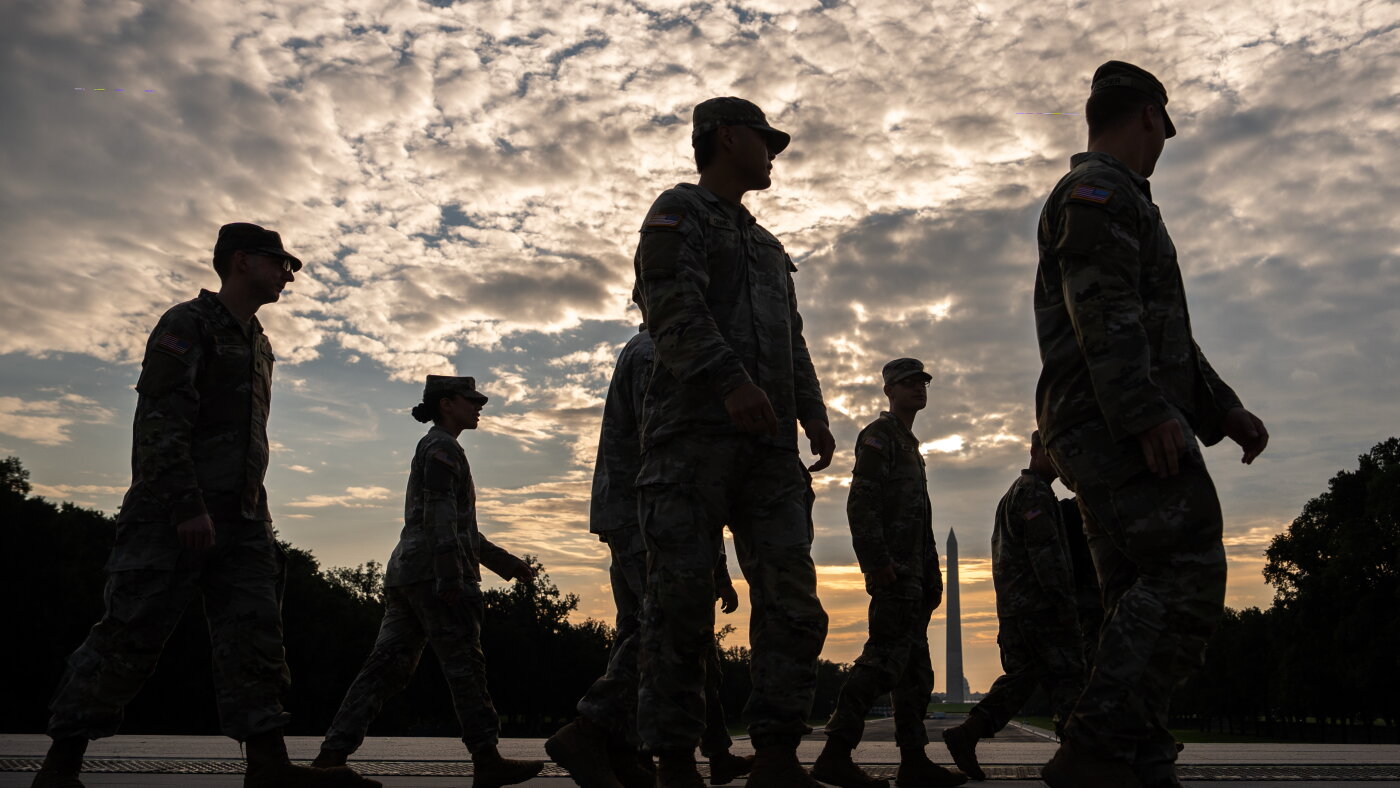
Cover image from npr.org, which was analyzed for this article
A Georgia National Guard member on a crime-fighting task force was arrested after drawing a gun on a colleague during a dispute over haircuts.
PoliticalOS
Wednesday, September 9, 2026 — Politics
The arrest highlights a narrow but concrete disciplinary failure inside a politically charged, multi-state deployment that remains in place through 2029. Readers should track whether the criminal case produces a conviction and whether the task force issues any public response on troop conduct standards.
What outlets missed
The NPR account supplies the precise date of the incident, the suspect’s age, the exact felony charges, and the narrow trigger of the dispute. The Nation article contains no reference to the arrest or the deployment at all. No outlet provided an update on Mitchell’s unit status, any internal Guard investigation, or whether the female Guard member filed additional complaints.
UAW Endorsements Power Working Class Candidates to Primary Wins
The United Auto Workers union has quietly built a network of endorsements that delivered several victories for outsider candidates this summer, marking a deliberate push to steer Democratic primaries toward priorities like higher wages and resistance to corporate offshoring. Organizers point to repeated appearances by candidates at picket lines and union events as the core of their approach, rather than traditional fundraising circuits.
In New York’s 7th District, state Assembly member Claire Valdez emerged as a standout. Campaign surrogates and labor activists repeated the phrase “Claire was there” to highlight her record of showing up at Amazon worker rallies, delivery driver actions, and Labor Notes conferences. One March fundraiser for sending Amazon employees to an organizing event featured Teamsters members chanting the slogan while Valdez mingled with drivers and local union leaders. The message resonated in a district where many residents work in logistics and manufacturing, areas hit hard by past trade deals that shipped jobs overseas.
Union strategists describe the effort as part of a longer plan to rebuild political power around hourly workers instead of consultants and large donors. They have backed candidates who oppose further trade agreements that favor foreign production and who support stronger enforcement of labor laws inside warehouses and auto plants. Early results this summer showed several endorsed challengers defeating better-funded opponents in state and local races, particularly in districts with heavy union membership.
Critics inside the party establishment have dismissed the wave as fringe agitation, yet turnout data from those primaries indicates strong participation from working households that often skip off-year voting. UAW officials argue that consistent presence at job sites and strike lines builds the trust that slick advertising cannot buy. They cite examples from the Midwest and Northeast where similar tactics helped flip seats previously held by politicians viewed as too friendly to Wall Street or global supply chains.
The approach also includes pressure on candidates to address specific shop-floor issues, such as mandatory overtime and safety violations at distribution centers. In Valdez’s case, her legislative record already included bills aimed at protecting gig workers and expanding collective bargaining rights, positions that aligned directly with union demands. Supporters say this focus explains why the endorsements produced measurable gains rather than symbolic gestures.
Broader labor observers note that the UAW’s recent contract fights with major automakers provided the momentum for this political turn. Rank-and-file members who walked picket lines appear more willing to volunteer for campaigns that promise to extend those gains into law. Whether the pattern holds into the general election remains uncertain, but the summer results have already forced party operatives to recalibrate their outreach to blue-collar voters.
The strategy reflects frustration with decades of policies that prioritized corporate expansion over domestic employment stability. Union leaders insist the goal is straightforward: elect people who understand what it takes to keep factories and warehouses running with American workers earning family-sustaining pay. Early returns suggest the message is landing in places where economic discontent has long simmered.
You just read America First's take. Want to read what actually happened?
More in Politics
Democrats Flip Senate, Expand House Majority in Midterms
Democrats flipped the Senate and expanded their House majority in a major rebuke to President Trump and Republicans. Key victories included multiple Senate seats and state-level wins that ended long-standing GOP dominance in places like Texas.
GOP Losses Spur Blame, Vance Distancing, 2028 Maneuvers
Republicans are pointing fingers internally after heavy losses, with Vice President JD Vance distancing himself from Trump over the Iran war and positioning for a potential 2028 run. Challengers within the party are already sensing opportunity.
Democrats Take House and Senate Amid Record Midterm Turnout
Democrats achieved decisive gains in the 2026 midterms, flipping seats to take control of both chambers. Coverage highlights historic turnout and implications for the Trump administration.
Democrats Take House and Senate, Constraining Trump
Democrats flipped both the House and Senate in a major rebuke to President Trump and Republicans. The results create divided government and set up battles over spending, oversight, and foreign policy for the remainder of Trump's term.
The Compass
You just read five takes on one story.
What's your take? Find your political shape in a few minutes.
Take the test