
Nevada judge dismisses 2020 fake electors forgery case
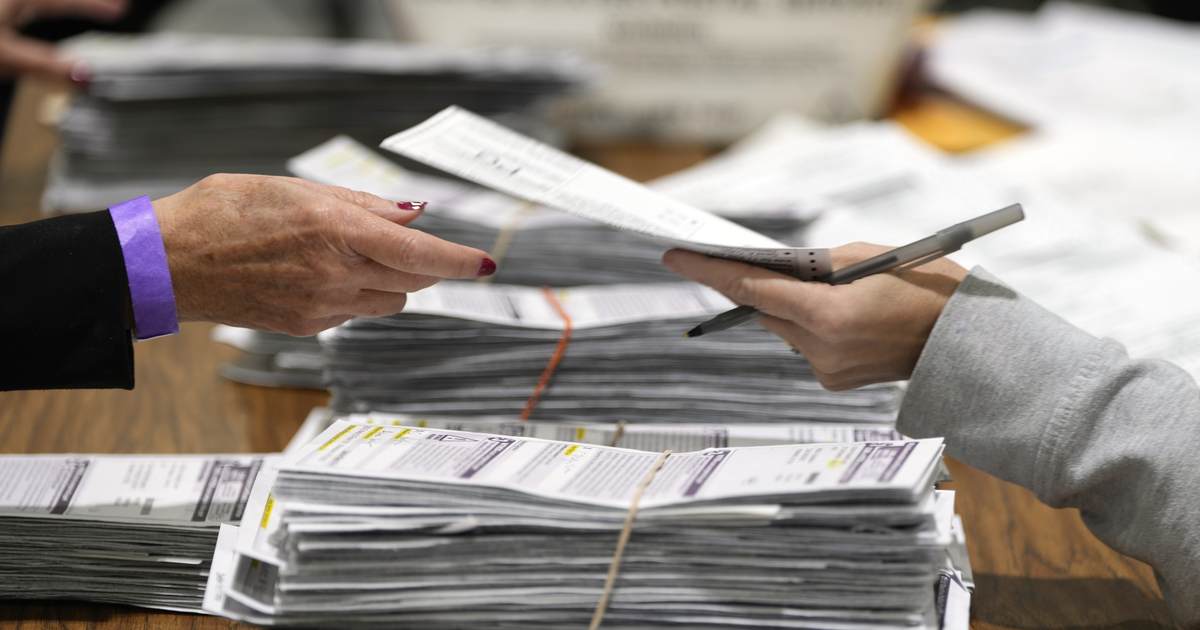
Cover image from redstate.com, which was analyzed for this article
A judge dropped charges against Nevada Republicans accused of forging an electoral certificate in 2020. Similar cases in other states have also faced dismissals.
PoliticalOS
Friday, August 14, 2026 — Politics
The Nevada ruling turned on the absence of proof that the defendants intended to deceive officials rather than engage in public political protest. Prosecutors across multiple states have struggled to meet that evidentiary threshold. The attorney general has announced plans to appeal.
What outlets missed
Most coverage omitted that this was the judge's second dismissal of the same case after an earlier venue ruling. Few reports detailed the specific statutory language of the forgery charges or the timeline showing the certificate was submitted weeks before the January 6 joint session. Outlets also gave limited attention to the fact that the defendants' certificate explicitly stated it was submitted to preserve rights under ongoing litigation rather than as a completed act.
Nevada Judge Dismisses Case Against Republican Electors Over Lack of Fraud Evidence
A Clark County judge has thrown out felony charges against six Nevada Republicans accused of submitting an alternate elector certificate after the 2020 presidential election, ruling that prosecutors failed to show any intent to deceive or defraud. Judge Mary Kay Holthus delivered the decision Thursday, ending a case that state Attorney General Aaron Ford had pursued since late 2023.
The defendants, including Nevada Republican Party chair Michael McDonald and former Clark County GOP chair Jesse Law, had gathered publicly outside the state legislature in December 2020 to sign documents asserting that Donald Trump carried the state. They acted openly, with no effort at concealment, and the certificate itself held no legal force under state or federal rules for recording electoral votes. Holthus noted that these facts undercut any claim of fraudulent purpose. The ruling comes after earlier venue disputes and follows the collapse of similar prosecutions in Arizona, Michigan, and Georgia.
Ford, a Democrat now running for governor, brought the charges of forgery and offering a false instrument for filing. His office has indicated plans to appeal, but the judge's findings centered on the absence of evidence that the group sought to trick officials into treating their document as official. Public announcements of their actions and the legal impossibility of the certificate being accepted weighed heavily against any inference of deceit. The prosecution also faced criticism for omitting potentially exculpatory material from grand jury presentations.
This outcome fits a broader pattern where efforts to criminalize alternate elector slates have faltered. In Arizona, the attorney general dropped charges only to attempt a new grand jury. Michigan and Georgia cases encountered comparable legal hurdles and dismissals. Critics have long argued these prosecutions amount to selective enforcement aimed at Trump supporters who challenged election procedures amid widespread concerns over mail-in ballots, signature verification, and last-minute rule changes in 2020.
The Nevada group maintained they were preserving a legal pathway for lawmakers or courts to review irregularities if new evidence emerged. Such steps mirrored actions taken in other states where Republican electors sought to create contingencies while official results remained contested. No one in the Nevada matter attempted to infiltrate the electoral process or present the document as the certified result. The openness of their conduct stood in contrast to the secrecy typically required for actual fraud.
Ford's office has framed the filings as attempts to undermine the election outcome, yet the court's review found insufficient proof of criminal mindset. With the attorney general's gubernatorial bid underway, the timing and persistence of the case raised questions about political incentives. Multiple defendants had pleaded not guilty from the start, and the dismissal removes a cloud that had lingered for years.
Legal observers note that alternate electors have appeared in past disputed elections without facing felony charges. The 2020 cycle drew unique scrutiny because of the narrow margins in several states and the volume of legal challenges filed by the Trump campaign. Judges in those proceedings often declined to reach the merits on procedural grounds, leaving many voters with unresolved doubts. The Nevada ruling underscores how difficult it has proven to translate those political disputes into criminal convictions when evidence of personal gain or deliberate deception remains thin.
The decision marks another setback for state-level efforts to treat contested electoral processes as prosecutable offenses. As appeals proceed, the focus may shift to whether such cases serve justice or simply extend post-election litigation by other means.
You just read America First's take. Want to read what actually happened?
More in Politics
Democrats Flip Senate, Expand House Majority in Midterms
Democrats flipped the Senate and expanded their House majority in a major rebuke to President Trump and Republicans. Key victories included multiple Senate seats and state-level wins that ended long-standing GOP dominance in places like Texas.
GOP Losses Spur Blame, Vance Distancing, 2028 Maneuvers
Republicans are pointing fingers internally after heavy losses, with Vice President JD Vance distancing himself from Trump over the Iran war and positioning for a potential 2028 run. Challengers within the party are already sensing opportunity.
Democrats Take House and Senate Amid Record Midterm Turnout
Democrats achieved decisive gains in the 2026 midterms, flipping seats to take control of both chambers. Coverage highlights historic turnout and implications for the Trump administration.
Democrats Take House and Senate, Constraining Trump
Democrats flipped both the House and Senate in a major rebuke to President Trump and Republicans. The results create divided government and set up battles over spending, oversight, and foreign policy for the remainder of Trump's term.
The Compass
You just read five takes on one story.
What's your take? Find your political shape in a few minutes.
Take the test