
Disputed DHS tally of 250,000 noncitizens on rolls fuels midterm clashes
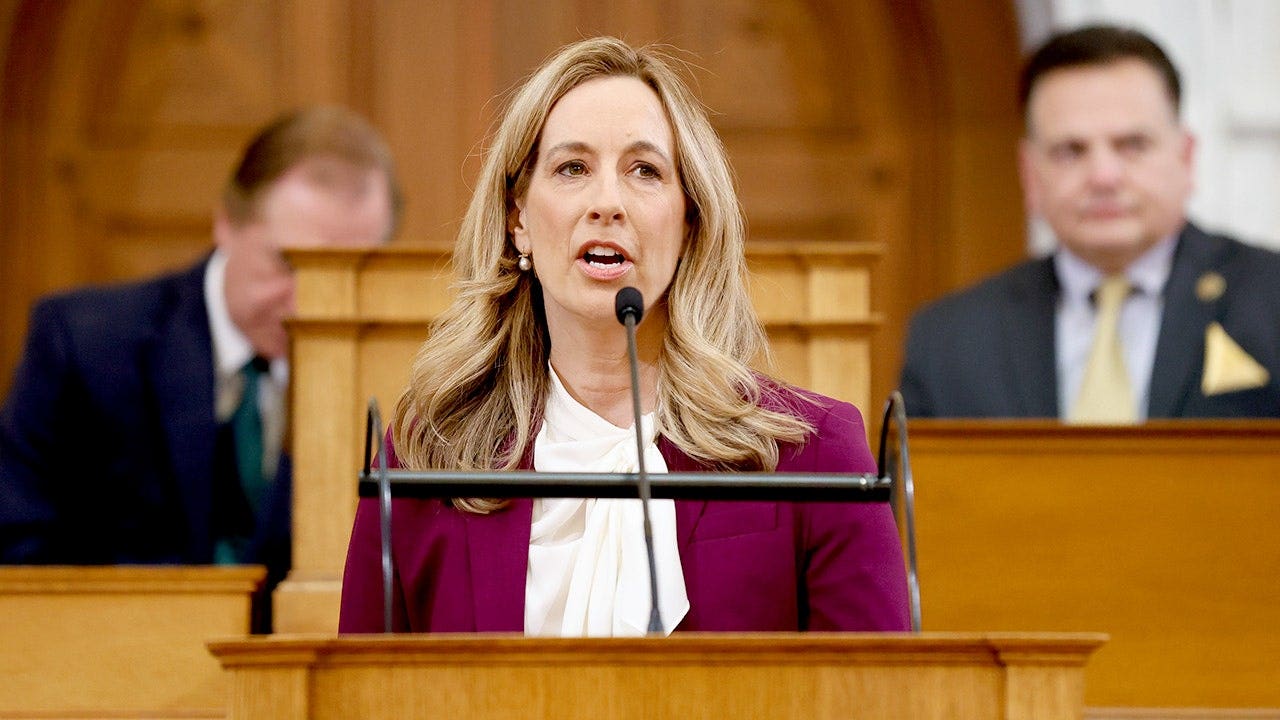
Cover image from foxnews.com, which was analyzed for this article
Trump administration claims 250,000 noncitizens on voter rolls in key states, sparking disputes and concerns over election integrity ahead of midterms.
PoliticalOS
Friday, July 31, 2026 — Politics
The federal claim of 250,000 noncitizens rests on disputed matching methods that states have not been able to verify, while separate state audits have confirmed smaller numbers of ineligible registrations. The outcome will depend on whether disputed lists produce actionable, court-tested removals before the quiet period begins or after votes are cast.
What outlets missed
South Carolina signed a formal memorandum of understanding with the Justice Department in April 2026 authorizing hashed voter-list sharing to detect ineligible registrations, providing documented state consent for the IP-address request. Multiple states publicly challenged the 250,000 figure and requested source records, a step that directly tests the federal methodology. The Heritage Foundation maintains a database of 99 proven noncitizen voting cases since 2000 that supplies a concrete baseline independent of the current dispute. New Jersey's confirmed software error and subsequent removals constitute an independently verified instance of ineligible registrations that several outlets referenced only in passing.
Federal Probes Examine Noncitizen Presence on Voter Rolls in Multiple States
State election officials in New Jersey recently removed 6,600 ineligible individuals from voter rolls after a software error in the motor vehicle system allowed noncitizens to register. The discovery follows earlier federal alerts from the Department of Homeland Security identifying over 250,000 potential noncitizens on rolls in California, Nevada, New Jersey, and Pennsylvania. Those figures remain disputed by the affected states, which have not received detailed methodology from federal agencies to verify the counts.
The Department of Homeland Security set a deadline for state responses, yet officials in several states expressed uncertainty over the underlying data. Election administrators noted that prior reviews found noncitizen voting occurs infrequently, though they acknowledged that incomplete record-keeping and varying state standards make comprehensive tracking difficult. In South Carolina, the FBI obtained an IP address linked to an online voter registration, marking an expanded investigative approach that could apply to the 43 states permitting such registrations. The address provides location and provider details without identifying the individual directly.
Texas and North Carolina have also received requests for voter data from federal immigration authorities. The Justice Department pursues access to rolls in 30 states and Washington, D.C., through litigation where voluntary cooperation has stalled. These steps occur amid repeated statements from President Trump that vulnerabilities in registration systems threaten election integrity. Records from past decades show scattered prosecutions and software failures that placed noncitizens on active rolls in various jurisdictions, though the absence of uniform national reporting standards leaves the full scope unclear.
Analysts at groups focused on election processes describe the pattern as a recurring weakness rather than isolated incidents. Without consistent verification methods, small numbers of ineligible registrations can accumulate over time. Federal actions center on cross-checking existing data rather than creating new mandates, reflecting efforts to align state practices with citizenship requirements already embedded in law. States that have conducted internal audits report removing ineligible entries, which supports the view that targeted reviews can address discrepancies without broad disruption.
Critics of the federal involvement argue that unverified tallies risk overreach, while supporters point to the practical need for accurate rolls to sustain public confidence. Historical cases demonstrate that errors in motor vehicle databases or online systems have allowed ineligible registrations to persist until flagged through external review. The current probes prioritize data reconciliation over assumptions about rarity, applying standard investigative tools to resolve questions that prior sporadic checks left open.
You just read Conservative's take. Want to read what actually happened?
More in Politics

Democrats Flip Senate, Expand House Majority in Midterms
Democrats flipped the Senate and expanded their House majority in a major rebuke to President Trump and Republicans. Key victories included multiple Senate seats and state-level wins that ended long-standing GOP dominance in places like Texas.

GOP Losses Spur Blame, Vance Distancing, 2028 Maneuvers
Republicans are pointing fingers internally after heavy losses, with Vice President JD Vance distancing himself from Trump over the Iran war and positioning for a potential 2028 run. Challengers within the party are already sensing opportunity.

Democrats Take House and Senate Amid Record Midterm Turnout
Democrats achieved decisive gains in the 2026 midterms, flipping seats to take control of both chambers. Coverage highlights historic turnout and implications for the Trump administration.
Democrats Take House and Senate, Constraining Trump
Democrats flipped both the House and Senate in a major rebuke to President Trump and Republicans. The results create divided government and set up battles over spending, oversight, and foreign policy for the remainder of Trump's term.
The Compass
You just read five takes on one story.
What's your take? Find your political shape in a few minutes.
Take the test