
Disputed DHS tally of 250,000 noncitizens on rolls fuels midterm clashes
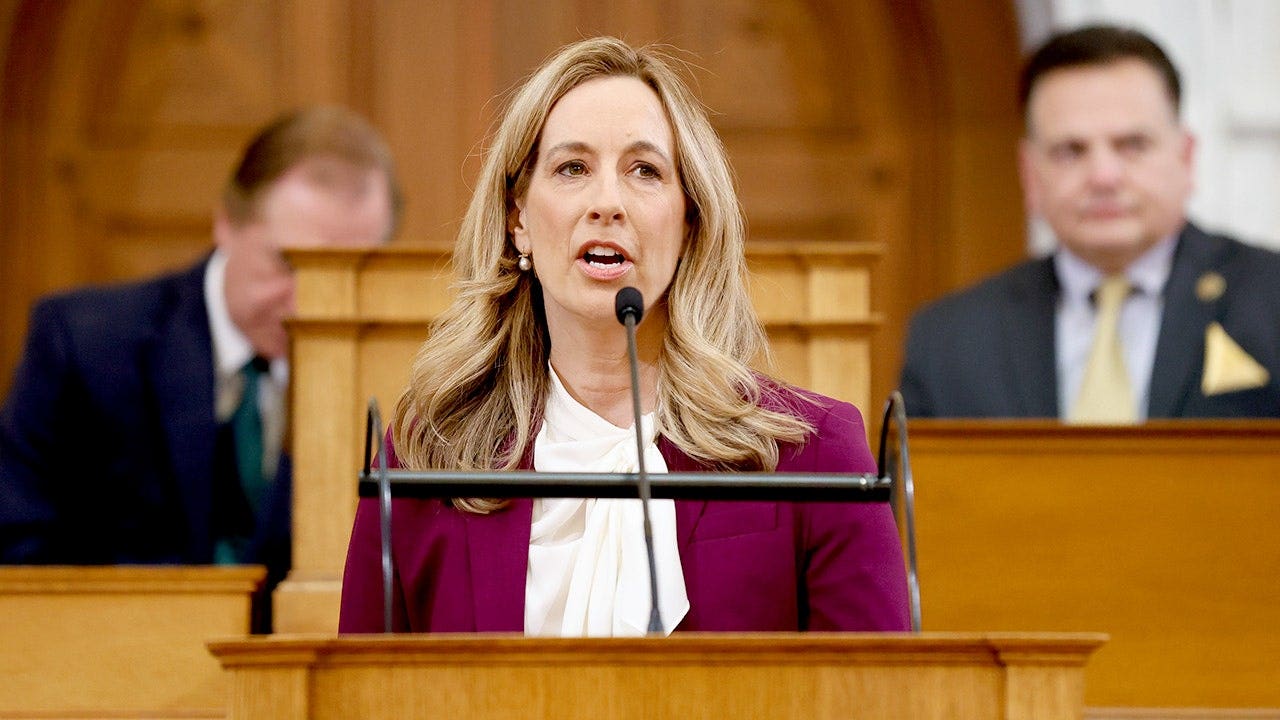
Cover image from foxnews.com, which was analyzed for this article
Trump administration claims 250,000 noncitizens on voter rolls in key states, sparking disputes and concerns over election integrity ahead of midterms.
PoliticalOS
Friday, July 31, 2026 — Politics
The federal claim of 250,000 noncitizens rests on disputed matching methods that states have not been able to verify, while separate state audits have confirmed smaller numbers of ineligible registrations. The outcome will depend on whether disputed lists produce actionable, court-tested removals before the quiet period begins or after votes are cast.
What outlets missed
South Carolina signed a formal memorandum of understanding with the Justice Department in April 2026 authorizing hashed voter-list sharing to detect ineligible registrations, providing documented state consent for the IP-address request. Multiple states publicly challenged the 250,000 figure and requested source records, a step that directly tests the federal methodology. The Heritage Foundation maintains a database of 99 proven noncitizen voting cases since 2000 that supplies a concrete baseline independent of the current dispute. New Jersey's confirmed software error and subsequent removals constitute an independently verified instance of ineligible registrations that several outlets referenced only in passing.
Texas Lt Gov Orders Study on Expanding Religion in Schools and Government
Lt. Gov. Dan Patrick has directed Texas state senators to examine ways to expand the role of religion across public institutions, including schools, workplaces, government offices and healthcare settings. The seven new interim charges released Monday direct lawmakers to review existing laws on religious liberty and consider whether additional protections are needed beyond those already provided by the First Amendment's establishment and free exercise clauses.
One charge specifically asks senators to compare state and federal statutes and determine if Texas needs stronger measures to shield religious practices. Another directs an assessment of how to better inform residents about exercising faith in everyday environments. A third charge requires a review of a 2025 law that permits public schools to excuse student absences for off-campus religious instruction.
Patrick, who has long advocated for conservative policies that blend faith and governance, framed the directives as necessary to safeguard religious freedoms. The assignments fall under the Senate Committee on State Affairs, giving Republican majorities broad latitude to shape recommendations before the Legislature reconvenes.
Critics argue the move represents a deliberate effort to erode the separation between church and state. They point to the explicit language calling for religion in "all settings" as evidence of an intent to prioritize one set of beliefs in taxpayer-funded spaces. Past efforts in Texas to introduce religious elements into public education, such as school prayer proposals and Bible-infused curriculum, have repeatedly faced legal challenges on constitutional grounds.
The timing of the charges coincides with ongoing national debates over the limits of religious exemptions in areas like healthcare and employment. Similar initiatives in other states have led to disputes involving access to services and potential discrimination against nonreligious individuals or those of minority faiths. Texas lawmakers have not yet outlined how they will measure public support or address concerns from civil liberties groups.
Patrick's directives also come amid broader Republican efforts in the state to influence cultural and educational policy. Earlier sessions saw measures expanding parental oversight of school materials and restricting certain teachings on history and identity. The new study assignments could produce legislative proposals that further embed religious considerations into routine government functions.
State officials have not indicated whether the reviews will include input from religious minorities, secular organizations or legal experts on constitutional boundaries. The process is expected to generate reports that could inform the next regular session, potentially leading to new statutes or funding priorities.
Advocates for strict church-state separation say the charges risk normalizing religious influence in areas where neutrality has long been the standard. They note that existing First Amendment protections already allow individuals to practice their faith without government endorsement. Expanding those boundaries, they warn, could invite lawsuits and deepen divisions in an increasingly diverse state.
The lieutenant governor's office has not responded to questions about how the studies will balance competing constitutional interests or prevent favoritism toward particular religions. Lawmakers assigned to the task now have months to gather data and draft findings before any formal recommendations emerge.
You just read Progressive's take. Want to read what actually happened?
More in Politics
Democrats Flip Senate, Expand House Majority in Midterms
Democrats flipped the Senate and expanded their House majority in a major rebuke to President Trump and Republicans. Key victories included multiple Senate seats and state-level wins that ended long-standing GOP dominance in places like Texas.
GOP Losses Spur Blame, Vance Distancing, 2028 Maneuvers
Republicans are pointing fingers internally after heavy losses, with Vice President JD Vance distancing himself from Trump over the Iran war and positioning for a potential 2028 run. Challengers within the party are already sensing opportunity.
Democrats Take House and Senate Amid Record Midterm Turnout
Democrats achieved decisive gains in the 2026 midterms, flipping seats to take control of both chambers. Coverage highlights historic turnout and implications for the Trump administration.
Democrats Take House and Senate, Constraining Trump
Democrats flipped both the House and Senate in a major rebuke to President Trump and Republicans. The results create divided government and set up battles over spending, oversight, and foreign policy for the remainder of Trump's term.
The Compass
You just read five takes on one story.
What's your take? Find your political shape in a few minutes.
Take the test