
Oil Dips Below $91 as Hormuz Standoff Keeps Gas Near $4.10
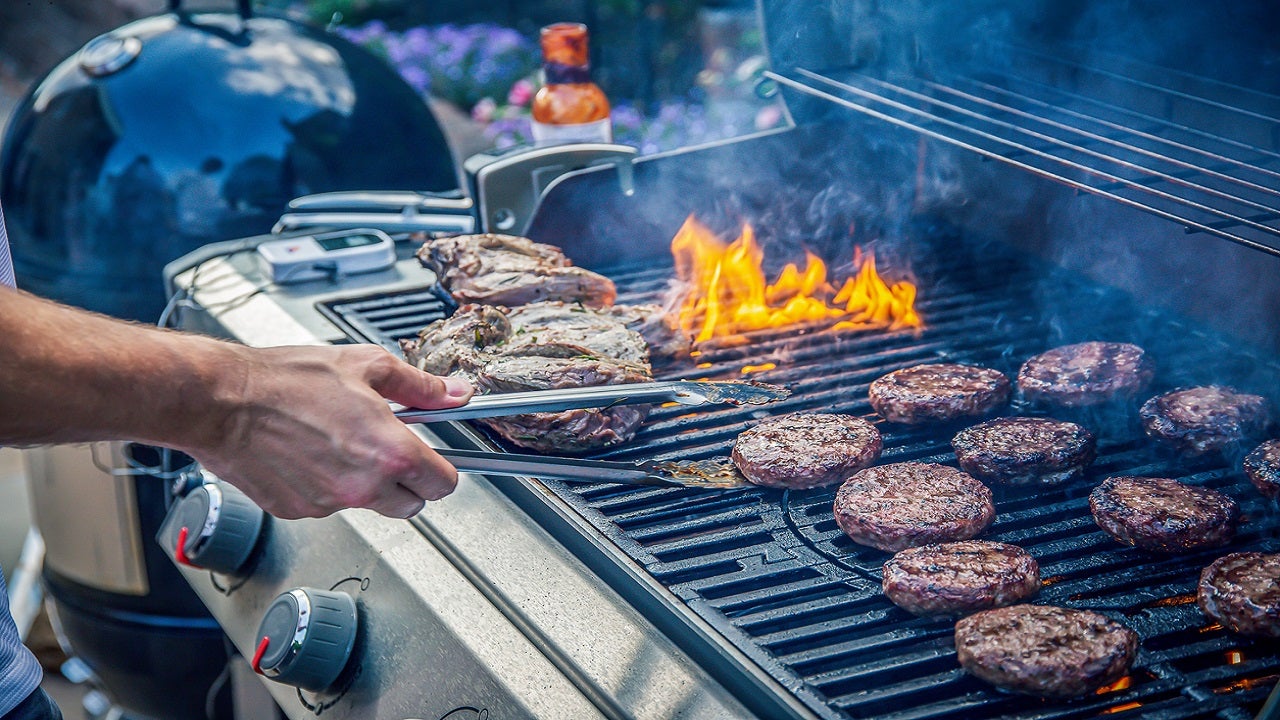
Cover image from foxnews.com, which was analyzed for this article
Oil prices have plunged below $91 following weeks of highs tied to the Iran conflict, though new Hormuz issues emerge. Consumers face high gas costs affecting travel and rideshare drivers, with tips to save at the pump circulating. The unrest threatens summer plans like barbecues due to potential supply disruptions.
PoliticalOS
Saturday, April 18, 2026 — Business
Oil prices have fallen below $91 on hopes of resumed Hormuz traffic and ceasefire progress, yet U.S. gasoline remains near $4.10 because retail fuel lags global crude and the naval blockade continues. Layered atop this volatility are longstanding tight supplies in cattle and propane that will keep summer costs elevated regardless of near-term diplomacy. The clearest implication is that households should plan for sustained higher expenses on driving and grilling through at least early summer while monitoring verifiable diplomatic breakthroughs rather than headlines alone.
What outlets missed
Most coverage omitted the full timeline of events preceding the latest Hormuz announcements, including Iranian strikes on Israel in late 2025 that contributed to the escalation before U.S. and Israeli military action on February 28, 2026. Pre-conflict Iranian tanker disruptions that initially prompted aspects of the naval response received little attention outside specialized briefings. Corporate mitigation steps by ride-hailing platforms, such as expanded cash-back percentages and past surcharge precedents, were mentioned only in passing or not at all in lifestyle-focused pieces. Finally, the lag time between crude drops and retail gas relief, typically four to six weeks due to refining and distribution, was rarely quantified, leaving readers without a clear timeline for when lower oil prices might appear at the pump.
Americans planning summer road trips, backyard cookouts and daily commutes are watching fuel costs eat deeper into budgets. National average gasoline prices reached $4.09 per gallon this month, up 93 cents from late March, according to AAA. Diesel climbed to $5.61, according to the same data, raising freight expenses that ripple through grocery aisles and propane tanks alike.
The central tension lies in volatile oil markets still reacting to every statement out of Tehran and Washington. Brent crude fell more than 9 percent to $90.38 a barrel on April 18 after Iran's foreign minister declared the Strait of Hormuz "completely open" during a 10-day Israel-Lebanon ceasefire, market data show. President Trump responded that the waterway was "ready for business," yet the U.S. Navy blockade of Iranian ports would continue until a broader nuclear and peace agreement. Iran then reversed course, stating it would maintain the blockage while the port measures remained. Roughly one-fifth of global oil supply normally passes through the strait, according to maritime analysts.
Prices had spiked earlier. Brent reached $119 a barrel on March 19 after the conflict intensified on February 28 with U.S. and Israeli strikes on Iranian targets. The near-total closure of Hormuz triggered emergency government measures worldwide and one of the sharpest energy shocks in recent memory. Ship-tracking data later showed a surge in vessels crossing once Iran signaled openness, with one maritime analyst noting it was the busiest traffic seen since the war began.
Those swings have reached U.S. consumers unevenly. Ride-hailing drivers report skipping long trips to remote areas where return fares may not offset higher fuel costs. One Pennsylvania driver who switched from Wall Street trading to full-time Uber and Lyft work said his weekly fill-ups jumped from $22 to $31 for the same hybrid Prius tank. He now favors back roads and shorter routes within 25 miles of home. Uber and Lyft previously introduced temporary per-ride surcharges during the 2022 Ukraine-related price spike; neither has announced identical relief this time, though both offer cash-back incentives through partner cards.
The pressure extends beyond the pump. Propane prices at the Mont Belvieu benchmark have risen nearly 19 percent since late February, according to industry data. Ranchers use fuel for tractors, feed transport and cattle hauling; those costs pass downstream. The U.S. cattle herd stands at its smallest size in 75 years, per USDA reports, after years of drought, high feed costs and an aging workforce. This structural shortage predates the current conflict. Retail beef prices climbed from roughly $8.70 per pound in March 2025 to about $10.08 a year later, according to USDA figures, though exact monthly matches vary slightly across reporting streams. Even if crude prices ease, beef and propane costs are unlikely to fall quickly.
Drivers cannot control global events but can adjust habits. AAA senior manager David Bennett recommends checking tire pressure monthly, as underinflation reduces fuel economy. He advises using the octane grade required by the vehicle owner's manual rather than the highest advertised, noting many engines run efficiently on regular fuel. Combining errands, avoiding rush-hour idling, removing unnecessary roof racks and traveling below 55 mph on highways each yield measurable savings, according to AAA studies. Apps that locate cheaper stations along routes can help, though the time spent driving to them must be weighed. Some households have shifted to remote work, carpools or e-bikes for short trips. One Texas logistics worker cut monthly fuel spending from an anticipated $750 to $79 after buying an electric vehicle, though he noted charger installation costs.
The latest Hormuz episode illustrates how quickly signals can reverse. Iranian officials first announced reopening tied to the Lebanon ceasefire, then conditioned continued access on lifting the U.S. port blockade. Pakistani diplomats have stepped in to facilitate further U.S.-Iran talks ahead of an April 22 deadline. Trump has warned of renewed strikes if no deal materializes. Oil traders remain cautious; any sustained closure would tighten already constrained supply and push prices higher again.
Retail gasoline has not yet reflected the latest crude decline. Refiners, seasonal demand shifts and regional distribution bottlenecks create a lag of weeks. Analysts expect pump prices to stay elevated into Memorial Day unless the diplomatic track produces a durable agreement. For many families the arithmetic is simple: every 10-cent increase at the pump adds roughly $120 to annual driving costs for the typical household. The question that remains is whether this summer's rituals, from cross-country vacations to neighborhood barbecues, will be scaled back or simply cost more.
More in Business & Economy

Major Banks Deliver Mixed Q3 Results on Trading Beats
JPMorgan, Goldman Sachs, Citigroup, and Wells Fargo reported Q3 figures, with revenue beats in trading but some estimate misses. CNBC provided live updates on the results and market reactions.

Oil Falls on Russian Diesel Outlook Despite Geopolitical Risks
Dow futures rose while Nasdaq faced pressure from tech weakness and elevated oil after geopolitical spikes. CNBC tracked premarket moves tied to earnings and Fed speeches.

Hall and Woodford Win Economics Nobel for Stabilization Models
American economists Robert E. Hall and Michael Woodford won the Nobel memorial prize for their research on managing economies through booms and busts, informing central bank policies on inflation and unemployment.

Skydance Closes Paramount-Warner Bros. Discovery Deal
The long-delayed media mega-merger cleared hurdles and began operations under Skydance, consolidating Hollywood power. Center and center-left outlets track the regulatory and business milestones.
The Compass
You just read five takes on one story.
What's your take? Find your political shape in a few minutes.
Take the test