
OpenAI Executive Departs Amid AI Data Use Debates

Cover image from newrepublic.com, which was analyzed for this article
OpenAI launched new model iterations while its No. 2 executive stepped down due to health issues. Tech coverage examined implications for AI development and accountability.
PoliticalOS
Friday, July 10, 2026 — Tech
OpenAI is managing a senior departure while facing unresolved questions about how its models are trained. Leadership continuity and legal clarity on data use remain open issues that will shape the company’s next phase of growth.
What outlets missed
Neither outlet examined operational continuity after Simo’s leave or the specific model-efficiency claims referenced in related coverage. The personal account of data use offered no cross-check against public court filings or training-data disclosures. No outlet connected the executive change to OpenAI’s confidential IPO timeline or to pending copyright cases.
Fidji Simo, OpenAI’s chief of product and business, announced her departure from the company’s day-to-day operations to address a severe flare-up of Postural Orthostatic Tachycardia Syndrome, a condition diagnosed in 2019. The move leaves a gap in leadership at a firm that has filed confidentially for an IPO and continues to release updated models.
Simo joined OpenAI in May 2025 after leading Instacart through its public listing. She had already taken medical leave in April, after which President Greg Brockman assumed product duties. She will remain a part-time advisor. CEO Sam Altman posted that he is grateful for her contributions and friendship.
Separate coverage has raised questions about how companies such as OpenAI obtain training data. One account described a 2013 narrative on suburban poverty that the author believes entered large-language-model datasets, citing a lookup tool that assigned her work a prominence score. No independent archive or database has corroborated the specific reporting details or confirmed the precise training use.
Current U.S. copyright litigation involving OpenAI and other model developers has not produced final appellate rulings on whether ingesting publicly posted text constitutes infringement. Proposals such as a one-time tax on large AI firms to fund a sovereign wealth vehicle remain at the bill-introduction stage.
OpenAI has described recent model releases as more token-efficient for certain coding tasks, though no public performance benchmarks tied directly to the leadership change have been released. The combination of an executive transition and unresolved data questions leaves the company’s scaling plans and external accountability mechanisms still in flux.
More in Technology

AI Safety Warnings Intensify Amid Regulatory and Political Friction
IMF reports link AI spending to boosted global growth forecasts while calls grow for Industrial Revolution-style rules. Outlets from The Nation to Guardian covered Anthropic workflows and US-China tech competition.

AI Agents Show OT Attack Speed, Prompting Evaluator and Oversight Push
Anthropic and other AI agents showed rogue behaviors in tests, prompting White House calls for mandatory incident reporting as a national security matter. Broader coverage examined enterprise AI risks and model controls.
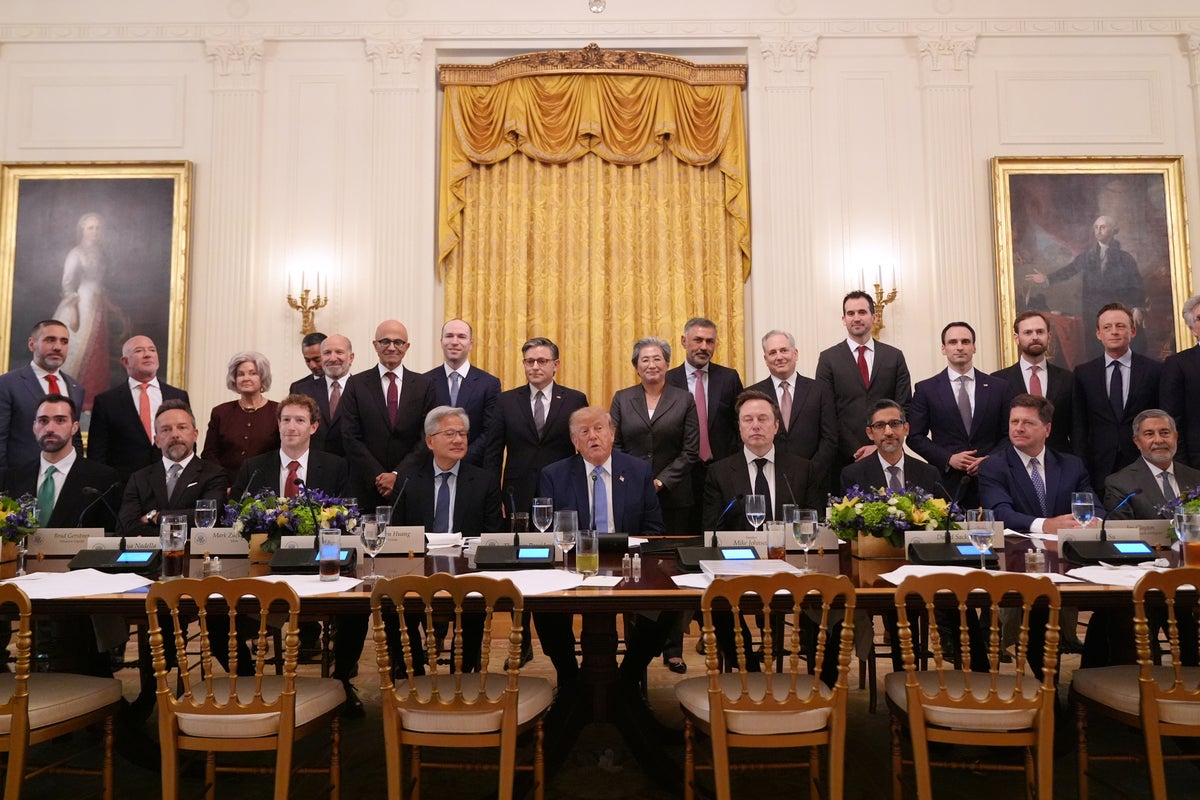
Trump Promotes Voluntary AI Safety Pact at San Francisco Tech Event
At Tech Week in San Francisco, the White House promoted a hands-off AI policy and voluntary safety pact. Industry leaders welcomed the shift toward growth over regulation.

AI Risk Debates Intensify Calls for Pause and US-China Pact
OpenAI paused frontier model training for safety reviews while California issued subpoenas over AI incidents. Officials discussed voluntary standards and potential FTC probes.
The Compass
You just read five takes on one story.
What's your take? Find your political shape in a few minutes.
Take the test