
Senator Tillis Urges Trump to Replace Hegseth Over Pentagon Turnover
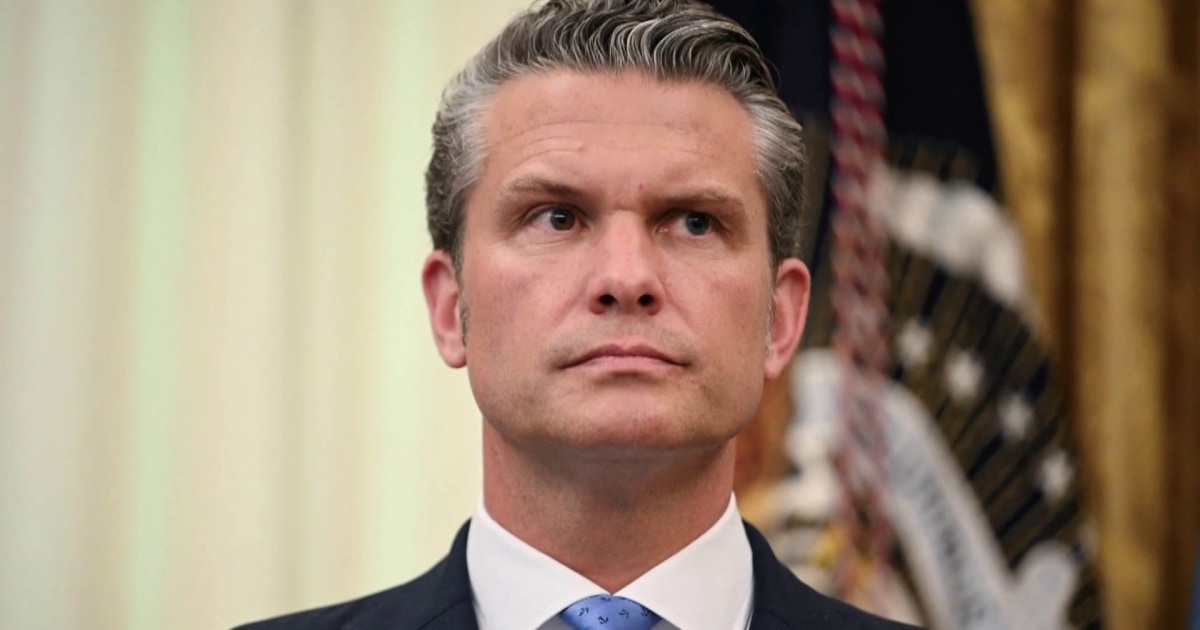
Cover image from today.com, which was analyzed for this article
Ex-military officials raise alarms over senior departures and blocked promotions under Defense Secretary Hegseth, warning of readiness risks. Republicans and Democrats debate the impact on military structure.
PoliticalOS
Thursday, September 3, 2026 — Politics
Tillis's call highlights a concrete disagreement inside the Republican Party over whether Hegseth's personnel decisions have created unsustainable gaps in military leadership. Recruitment gains stand as the only quantified counterpoint supplied so far. The effect on broader readiness remains an open question without additional official metrics.
What outlets missed
No outlet supplied verified figures on promotion rates, retention beyond senior ranks, or operational readiness assessments from the Department of Defense. The role of Senate confirmation in establishing Hegseth's legal authority received no mention despite its direct relevance to experience critiques. Details on the policy disagreements that preceded each departure were absent, leaving the scale of any cultural or structural shifts unexamined. Claims of an active U.S.-Iran war surfaced without sourcing or context in two outlets.
Senator Urges Trump to Replace Defense Secretary Over Pentagon Turnover
Sen. Thom Tillis called on President Donald Trump to replace Defense Secretary Pete Hegseth, citing what he described as inept management amid a wave of senior official departures. The North Carolina Republican's statement came after Army Secretary Dan Driscoll resigned following reported clashes with Hegseth, adding to nearly two dozen generals, admirals and civilian leaders who have left the Pentagon since Hegseth took office.
Tillis said he had never seen such poor handling of the armed forces. He accused Hegseth of favoring those who align with his views while pushing out others, and he urged the president to select a leader who would retain experienced personnel rather than reduce their numbers. The comments mark one of the more direct public criticisms from within the Republican Party on the issue.
A former Trump White House communications director offered a different assessment of the political dynamics. Mike Dubke told CNN that Trump is unlikely to act on Hegseth without a major military setback. Dubke pointed to the department's success in meeting recruitment targets for the current fiscal year and reaching a 15-year high in enlistments. He noted that the administration would likely emphasize those figures and other efforts to increase the military's focus on combat effectiveness.
Dubke argued that only an operational failure would prompt a change, and he warned that repeated leadership losses could make it harder to restore full readiness later. He said the erosion of experienced officers and civilians leaves the force thinner at a time when the United States remains engaged in conflict with Iran.
Hegseth, a former Army National Guard major and Fox News host, entered the role with less prior senior government experience than most previous defense secretaries. His tenure has included efforts to overhaul training priorities and reduce emphasis on certain diversity initiatives that critics say diverted attention from warfighting. Supporters contend these steps address long-standing concerns about institutional focus and help explain improved recruiting numbers.
Critics, including Tillis, maintain that the pace of departures reflects intimidation of competent officers and a shift toward political messaging over steady management. They point to the friction with Driscoll and others as evidence that institutional knowledge is leaving faster than it can be replaced.
The ongoing operations against Iran have kept the military deployed at high tempo, with some ships and units logging extended periods at sea. Recruitment gains provide one measure of progress, yet the loss of senior leaders raises questions about how quickly new teams can integrate and maintain effectiveness under sustained pressure.
Data on retention and promotion patterns will likely determine whether the current approach strengthens or weakens overall readiness. Historical patterns in large organizations show that frequent turnover at the top often produces short-term disruption even when underlying goals remain consistent. Military leaders have long argued that merit-based selection and clear operational priorities matter more than any single ideological emphasis.
Trump has not commented publicly on Tillis's call for a change. The White House has instead highlighted enlistment figures and adjustments in force posture as signs that the department is moving in the right direction.
You just read Conservative's take. Want to read what actually happened?
More in Politics
Democrats Flip Senate, Expand House Majority in Midterms
Democrats flipped the Senate and expanded their House majority in a major rebuke to President Trump and Republicans. Key victories included multiple Senate seats and state-level wins that ended long-standing GOP dominance in places like Texas.
GOP Losses Spur Blame, Vance Distancing, 2028 Maneuvers
Republicans are pointing fingers internally after heavy losses, with Vice President JD Vance distancing himself from Trump over the Iran war and positioning for a potential 2028 run. Challengers within the party are already sensing opportunity.
Democrats Take House and Senate Amid Record Midterm Turnout
Democrats achieved decisive gains in the 2026 midterms, flipping seats to take control of both chambers. Coverage highlights historic turnout and implications for the Trump administration.
Democrats Take House and Senate, Constraining Trump
Democrats flipped both the House and Senate in a major rebuke to President Trump and Republicans. The results create divided government and set up battles over spending, oversight, and foreign policy for the remainder of Trump's term.
The Compass
You just read five takes on one story.
What's your take? Find your political shape in a few minutes.
Take the test