
Powell Exits Fed as Warsh Takes Over Amid Debt and Independence Strains
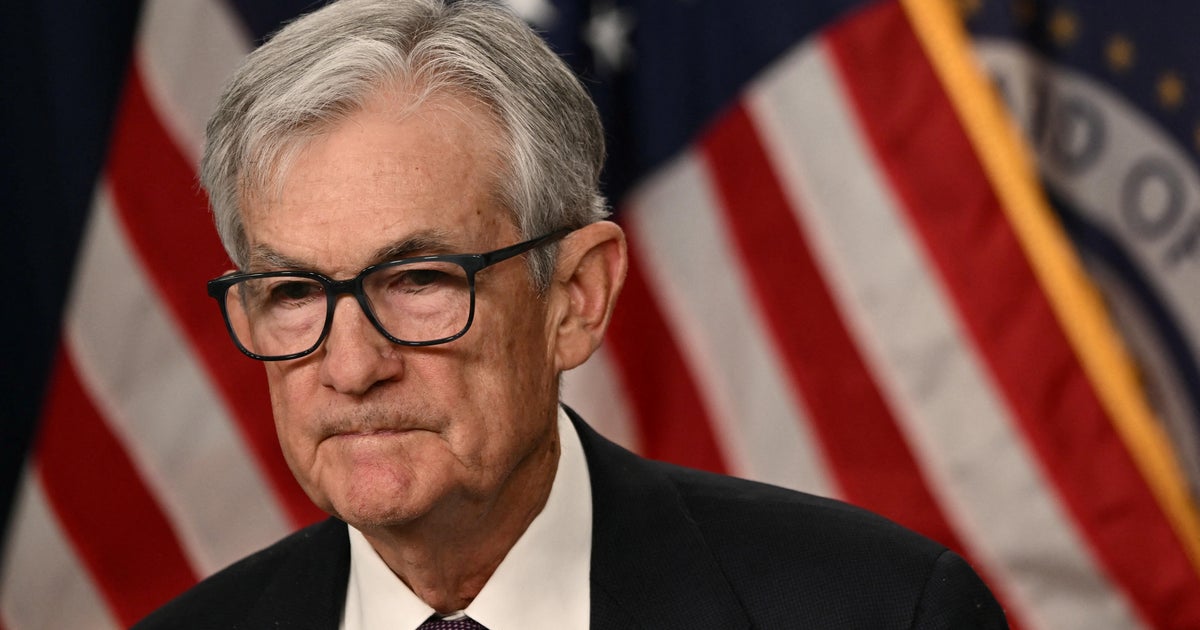
Cover image from cbsnews.com, which was analyzed for this article
Fed Chair Powell steps down as institution confronts 'regime change' and independence threats under Trump. US debt looms over successor strategies. Economists reflect on his tenure amid economic shifts.
PoliticalOS
Friday, May 15, 2026 — Business
Powell leaves a mixed record of crisis management and delayed inflation control; Warsh’s push to shrink the Fed’s footprint collides with large deficits that may force continued market intervention. The central tension is whether institutional checks and market discipline can preserve policy credibility under sustained political pressure.
What outlets missed
Most coverage omitted the specific Senate vote margin on Warsh’s confirmation and the structural limits imposed by only two Trump appointees on the current FOMC. Few noted the Brookings survey finding that most analysts see no current problem with the balance-sheet size. Coverage also underplayed quantitative estimates from former Fed staffer Bill Nelson showing that a further $2 trillion reduction could shift the policy rate anywhere from a 0.84-point cut to a hike depending on Treasury issuance. Finally, outlets rarely connected the St. Louis Fed research on lost convenience yield directly to Warsh’s stated goal of smaller holdings.
The Federal Reserve’s ability to steer interest rates free of political pressure faces its sharpest test in decades as Jerome Powell steps down after eight years. Incoming chair Kevin Warsh inherits an economy still running above the 2 percent inflation target, a federal deficit at 5.8 percent of GDP, and a $6.7 trillion balance sheet whose future size remains unsettled. Powell’s record shows both a delayed response to post-pandemic price surges that peaked at 8.5 percent and a subsequent series of rate increases that produced a soft landing with unemployment near historic lows. Warsh, confirmed by the Senate on a 54-45 vote, has argued for shrinking that balance sheet, limiting forward guidance, and avoiding what he calls mission creep into areas such as climate policy. Powell will remain a governor on the seven-member board, preserving one non-Trump appointee among the twelve voting members of the Federal Open Market Committee. Analysts note that any attempt to shrink the Fed’s holdings further could widen Treasury yields if investors demand higher compensation for holding government debt, a dynamic already visible in a roughly 40-basis-point drop in the convenience yield on U.S. securities. Warsh has said closer coordination with the Treasury may be needed, yet he has also warned against the central bank slipping into debt-management functions. Former Richmond Fed president Jeffrey Lacker and Stanford professor Hanno Lustig both caution that markets will test whether the new leadership can maintain credibility on inflation while reducing intervention. The outcome will determine whether the Fed’s post-2022 tightening cycle marks a durable return to narrower policy tools or merely a pause before renewed fiscal pressures reassert themselves.
More in Business & Economy

Major Banks Deliver Mixed Q3 Results on Trading Beats
JPMorgan, Goldman Sachs, Citigroup, and Wells Fargo reported Q3 figures, with revenue beats in trading but some estimate misses. CNBC provided live updates on the results and market reactions.

Oil Falls on Russian Diesel Outlook Despite Geopolitical Risks
Dow futures rose while Nasdaq faced pressure from tech weakness and elevated oil after geopolitical spikes. CNBC tracked premarket moves tied to earnings and Fed speeches.

Hall and Woodford Win Economics Nobel for Stabilization Models
American economists Robert E. Hall and Michael Woodford won the Nobel memorial prize for their research on managing economies through booms and busts, informing central bank policies on inflation and unemployment.

Skydance Closes Paramount-Warner Bros. Discovery Deal
The long-delayed media mega-merger cleared hurdles and began operations under Skydance, consolidating Hollywood power. Center and center-left outlets track the regulatory and business milestones.
The Compass
You just read five takes on one story.
What's your take? Find your political shape in a few minutes.
Take the test