
Producer Prices Jump 1.4% as Gas Hits $4.52 Amid Iran Tensions
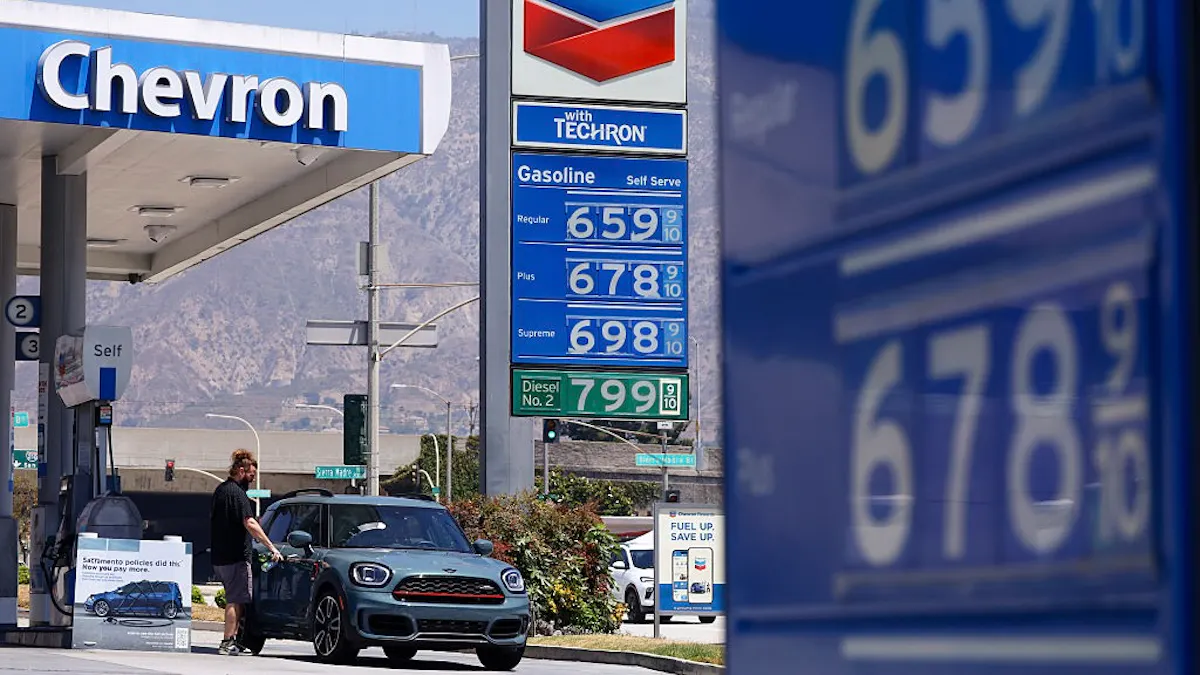
Cover image from dailywire.com, which was analyzed for this article
U.S. producer prices rose 1.4% in April, triple expectations, pushing annual PPI to 6.0% and fueling recession fears despite GDP growth. Gas prices hit $4.52/gallon, linked to Iran Strait issues. Political backlash grows.
PoliticalOS
Thursday, May 14, 2026 — Business
Gasoline at $4.52 and a 1.4 percent producer-price jump reflect immediate supply risks from Hormuz tensions, yet lasting relief depends on whether policy preserves drilling incentives and addresses refinery and shipping constraints rather than temporary export restrictions.
What outlets missed
Most coverage omitted the temporary, conditional language of H.R. 8670 that ties the export moratorium to presidential certification of strait reopening. Few outlets noted that U.S. net petroleum exporter status began in late 2019, four years after the 2015 export ban was lifted, or detailed the Jones Act shipping bottleneck that makes moving domestic crude between U.S. ports more expensive than importing foreign oil. The 70 percent of refineries built for heavy crude and the resulting need to both import and export oil received little attention outside industry-focused reporting.
American households face sharper cost pressures after producer prices climbed 1.4 percent in April, three times the expected gain, lifting the annual rate to 6.0 percent. The increase, reported by the Bureau of Labor Statistics, was led by services and energy components and arrived even as overall GDP continued to expand. At the same time the national average for gasoline reached $4.52 a gallon, up more than 50 percent since late February when U.S. military operations began in Iran.
The price spike traces directly to disruptions in the Strait of Hormuz, through which roughly 20 percent of global oil trade normally passes. U.S. imports of crude via the strait equal about 2 percent of domestic consumption, yet the waterway also carries significant volumes of U.S. exports of refined products and other goods. Markets reacted immediately: equities fell and futures pricing reflected expectations of prolonged volatility.
Lawmakers responded with competing proposals. Representative Brad Sherman introduced H.R. 8670, which would impose a temporary moratorium on U.S. crude and refined-product exports until the president certifies that Iranian military operations have ended and the strait has reopened. The measure aims to retain domestic supply for American refiners and drivers. Critics, including energy analysts at the Pacific Research Institute and Representative August Pfluger, argue that an export ban would discourage new drilling, hand market power back to OPEC and Russia, and ignore the mismatch between light shale crude and the heavy-crude configuration of most U.S. refineries.
President Trump has minimized the economic impact, stating that inflation remains lower than under the prior administration and that gas prices would fall once the conflict ends. Government data show the consumer price index rising to 3.8 percent in April, the highest reading in nearly three years, while AAA and Energy Information Administration figures confirm the gasoline increase. White House officials have discussed suspending the federal gas tax of 18 cents per gallon as one short-term option.
The episode highlights a core policy tension: short-term consumer relief measures risk undermining the production incentives and infrastructure investments that made the United States a net petroleum exporter after 2019. Retrofitting refineries or expanding Jones Act-compliant shipping capacity would require years and billions of dollars. Until those constraints ease, price shocks tied to the strait will continue to transmit quickly to pump prices and broader inflation readings.
More in Business & Economy

Major Banks Deliver Mixed Q3 Results on Trading Beats
JPMorgan, Goldman Sachs, Citigroup, and Wells Fargo reported Q3 figures, with revenue beats in trading but some estimate misses. CNBC provided live updates on the results and market reactions.

Oil Falls on Russian Diesel Outlook Despite Geopolitical Risks
Dow futures rose while Nasdaq faced pressure from tech weakness and elevated oil after geopolitical spikes. CNBC tracked premarket moves tied to earnings and Fed speeches.

Hall and Woodford Win Economics Nobel for Stabilization Models
American economists Robert E. Hall and Michael Woodford won the Nobel memorial prize for their research on managing economies through booms and busts, informing central bank policies on inflation and unemployment.

Skydance Closes Paramount-Warner Bros. Discovery Deal
The long-delayed media mega-merger cleared hurdles and began operations under Skydance, consolidating Hollywood power. Center and center-left outlets track the regulatory and business milestones.
The Compass
You just read five takes on one story.
What's your take? Find your political shape in a few minutes.
Take the test