
Progressives Challenge Establishment in Democratic Primaries
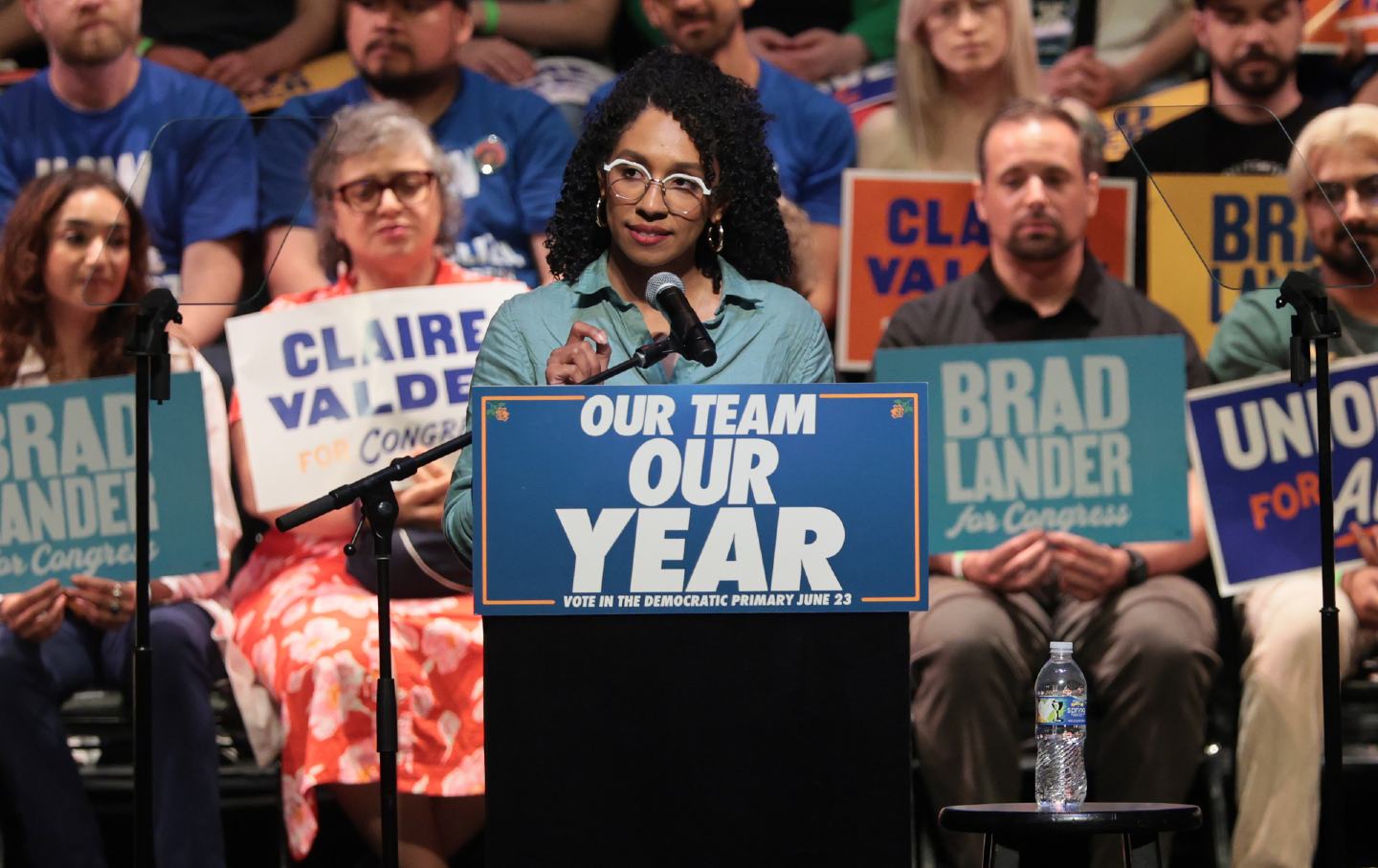
Cover image from thenation.com, which was analyzed for this article
DSA wins and progressive candidates are upending races in Michigan, Missouri and elsewhere. Establishment Democrats face tests over Black politics and future direction.
PoliticalOS
Monday, August 3, 2026 — Politics
Black voters in Michigan and Missouri are deciding whether progressive insurgents or establishment moderates will represent the party in November. Outcomes will test whether outside spending and generational divides can override local priorities on crime, jobs and housing.
What outlets missed
Detailed primary polling margins and exact outside spending totals across all races were not uniformly reported. Local economic conditions such as foreclosure rates after the auto rescue and tornado recovery received less attention than national Israel debates. The full range of candidate statements on communism or foreign policy that prompted criticism in New York was addressed unevenly. Historical context on CBC voting records for the 1994 crime bill appeared in only one outlet.
Progressive Candidates Face Pushback in Democratic Primaries Over Priorities
Democratic primaries this cycle have featured progressive challengers backed by groups like the Democratic Socialists of America gaining ground in several districts, even as Black voters in key states show clear divisions over whether such candidates address immediate community needs. Races in Missouri, Michigan, New York, and Colorado illustrate the pattern, with outside spending and polling data highlighting tensions between foreign policy emphasis and local conditions.
In Missouri’s first congressional district, former representative Cori Bush seeks to reclaim her seat from incumbent Wesley Bell. A super PAC tied to the American Israel Public Affairs Committee has spent over $3 million opposing Bush, who has focused criticism on U.S. support for Israel. Pastor Rodrick Burton of a historically Black church in north St. Louis noted that eight church members have been murdered locally, yet campaign attention centers on events in Gaza. Burton argued that resources should target violence in the metropolitan area rather than distant conflicts. The contest has drawn national attention ahead of the November midterms.
Similar dynamics appear in Michigan’s Senate primary, where progressive Abdul El-Sayed holds a double-digit lead in recent polling against Representative Haley Stevens. El-Sayed has drawn support from figures like Bernie Sanders and built a grassroots effort that includes young Black canvassers in working-class neighborhoods near Detroit. Some voters, however, express reluctance. One resident told a canvasser she preferred established options, citing concerns that political disruptions often worsen outcomes. The race carries weight for Senate control, as the winner faces Republican Mike Rogers in a state Democrats have targeted.
In New York and Denver, DSA-endorsed candidates defeated incumbents by promising stricter limits on Israel policy. These results follow earlier progressive successes and have prompted warnings from centrist Democrats about risks in battleground areas. One operative described potential wins by further-left candidates in competitive districts as damaging to broader party prospects. Michigan’s seventh district offers another test, where Sunrise Movement co-founder William Lawrence campaigns against data centers and seeks to consolidate progressive support against Republican Tom Barrett.
Data from these contests show Black voters split rather than unified behind progressive platforms. Polling and canvassing reports indicate that while some younger participants favor candidates promising systemic change, others prioritize records on crime reduction and economic stability. Historical patterns in Black political participation have often stressed practical gains through institutions and incremental policy rather than broad ideological shifts.
Establishment responses have included increased outside spending and public cautions about electability in November. Progressives counter that prior moderate strategies contributed to repeated national losses. The outcomes Tuesday will clarify whether voters in these districts reward foreign policy focus or favor candidates emphasizing domestic metrics such as homicide rates and employment.
You just read Conservative's take. Want to read what actually happened?
More in Politics
Democrats Flip Senate, Expand House Majority in Midterms
Democrats flipped the Senate and expanded their House majority in a major rebuke to President Trump and Republicans. Key victories included multiple Senate seats and state-level wins that ended long-standing GOP dominance in places like Texas.
GOP Losses Spur Blame, Vance Distancing, 2028 Maneuvers
Republicans are pointing fingers internally after heavy losses, with Vice President JD Vance distancing himself from Trump over the Iran war and positioning for a potential 2028 run. Challengers within the party are already sensing opportunity.
Democrats Take House and Senate Amid Record Midterm Turnout
Democrats achieved decisive gains in the 2026 midterms, flipping seats to take control of both chambers. Coverage highlights historic turnout and implications for the Trump administration.
Democrats Take House and Senate, Constraining Trump
Democrats flipped both the House and Senate in a major rebuke to President Trump and Republicans. The results create divided government and set up battles over spending, oversight, and foreign policy for the remainder of Trump's term.
The Compass
You just read five takes on one story.
What's your take? Find your political shape in a few minutes.
Take the test