
Progressives Challenge Establishment in Democratic Primaries
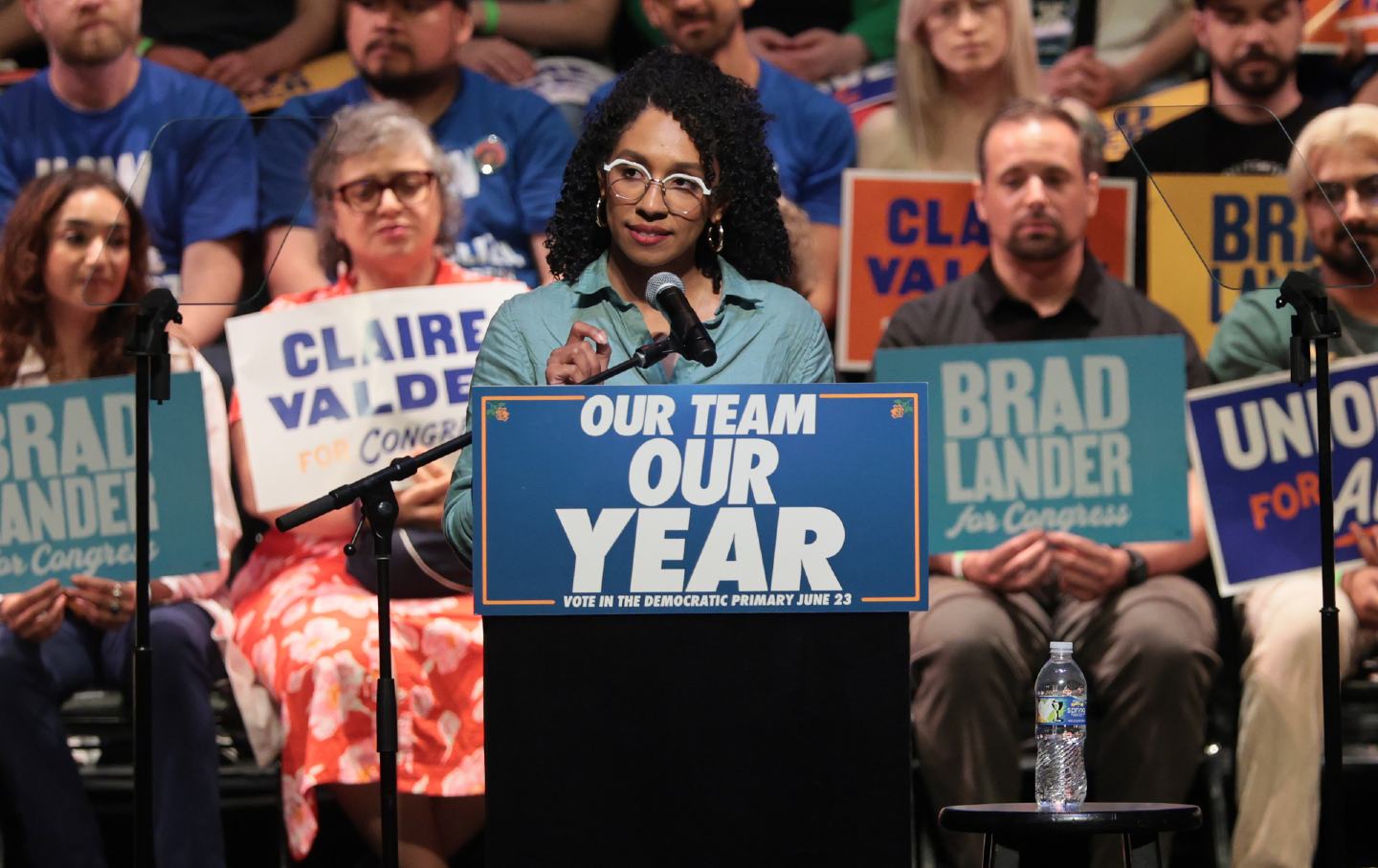
Cover image from thenation.com, which was analyzed for this article
DSA wins and progressive candidates are upending races in Michigan, Missouri and elsewhere. Establishment Democrats face tests over Black politics and future direction.
PoliticalOS
Monday, August 3, 2026 — Politics
Black voters in Michigan and Missouri are deciding whether progressive insurgents or establishment moderates will represent the party in November. Outcomes will test whether outside spending and generational divides can override local priorities on crime, jobs and housing.
What outlets missed
Detailed primary polling margins and exact outside spending totals across all races were not uniformly reported. Local economic conditions such as foreclosure rates after the auto rescue and tornado recovery received less attention than national Israel debates. The full range of candidate statements on communism or foreign policy that prompted criticism in New York was addressed unevenly. Historical context on CBC voting records for the 1994 crime bill appeared in only one outlet.
Progressives Target Black Voters With Foreign Obsessions
Democratic primaries this summer have exposed a widening rift inside the party as socialist-backed insurgents challenge incumbents and force debates over Israel rather than the everyday struggles in American cities. Candidates endorsed by the Democratic Socialists of America have notched victories in districts with large Black and Hispanic populations, prompting establishment figures to question whether the party can still hold together its traditional base.
In New York, DSA-backed Darializa Avila Chevalier captured a primary in a congressional district that is half Hispanic and nearly a quarter Black. Similar upsets have occurred in Denver and parts of New York City, where voters replaced sitting members with challengers who made opposition to Israel a centerpiece of their campaigns. These results have drawn heavy outside spending from pro-Israel groups and left party strategists warning that the focus on Gaza risks alienating voters who care more about crime and jobs at home.
Missouri’s first congressional district offers a clear example. Voters there will decide Tuesday between incumbent Wesley Bell and former congresswoman Cori Bush. Bush lost her seat two years ago and is now trying to win it back by accusing Israel of genocide. A super PAC tied to AIPAC has poured millions into keeping her out. Local pastor Rodrick Burton, whose church sits on St. Louis’s north side, has watched the national spotlight shift away from the shootings that have claimed eight of his parishioners. He argues that blood on the streets of his own city deserves more attention than distant conflicts, even as kinship with people overseas is acknowledged.
Michigan’s Senate primary presents another test. Progressive Abdul El-Sayed has surged in polls against moderate Representative Haley Stevens in a race that will help decide control of the chamber. Black voters are split. Some younger canvassers see El-Sayed as a fresh voice against broken systems. Others, including longtime residents in working-class neighborhoods near Detroit, view the disruption as likely to make things worse. The contest has drawn millions in outside money and highlighted divisions over campaign finance and foreign policy in a state that remains competitive for both parties.
These insurgencies come as Democrats try to regroup after recent national losses. Establishment voices worry that the new wave of candidates, often backed by groups like the Sunrise Movement and aligned with figures such as Bernie Sanders, will prove unelectable in battlegrounds. At the same time, the emphasis on international causes has left some Black voters wondering whether their communities’ practical concerns about violence and economic stagnation are being pushed aside. The pattern suggests that party leaders face a genuine choice between broadening their tent and letting activist priorities narrow it further.
You just read America First's take. Want to read what actually happened?
More in Politics

Democrats Flip Senate, Expand House Majority in Midterms
Democrats flipped the Senate and expanded their House majority in a major rebuke to President Trump and Republicans. Key victories included multiple Senate seats and state-level wins that ended long-standing GOP dominance in places like Texas.

GOP Losses Spur Blame, Vance Distancing, 2028 Maneuvers
Republicans are pointing fingers internally after heavy losses, with Vice President JD Vance distancing himself from Trump over the Iran war and positioning for a potential 2028 run. Challengers within the party are already sensing opportunity.

Democrats Take House and Senate Amid Record Midterm Turnout
Democrats achieved decisive gains in the 2026 midterms, flipping seats to take control of both chambers. Coverage highlights historic turnout and implications for the Trump administration.
Democrats Take House and Senate, Constraining Trump
Democrats flipped both the House and Senate in a major rebuke to President Trump and Republicans. The results create divided government and set up battles over spending, oversight, and foreign policy for the remainder of Trump's term.
The Compass
You just read five takes on one story.
What's your take? Find your political shape in a few minutes.
Take the test