
Progressives Challenge Establishment in Democratic Primaries
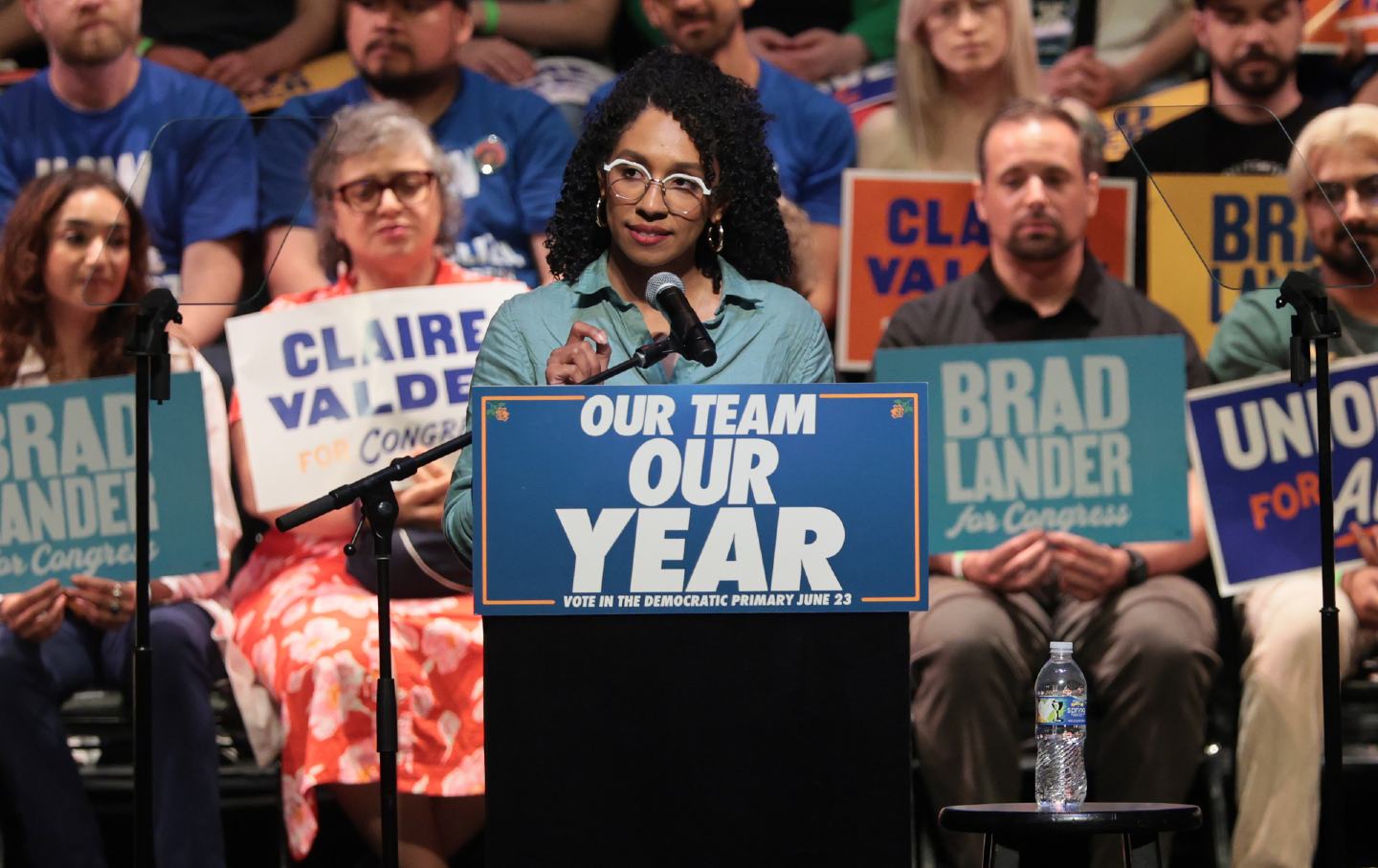
Cover image from thenation.com, which was analyzed for this article
DSA wins and progressive candidates are upending races in Michigan, Missouri and elsewhere. Establishment Democrats face tests over Black politics and future direction.
PoliticalOS
Monday, August 3, 2026 — Politics
Black voters in Michigan and Missouri are deciding whether progressive insurgents or establishment moderates will represent the party in November. Outcomes will test whether outside spending and generational divides can override local priorities on crime, jobs and housing.
What outlets missed
Detailed primary polling margins and exact outside spending totals across all races were not uniformly reported. Local economic conditions such as foreclosure rates after the auto rescue and tornado recovery received less attention than national Israel debates. The full range of candidate statements on communism or foreign policy that prompted criticism in New York was addressed unevenly. Historical context on CBC voting records for the 1994 crime bill appeared in only one outlet.
Progressive Candidates Shake Up Democratic Primaries as Establishment Pushes Back
Democratic primaries this week are exposing deep rifts inside the party as progressive challengers backed by groups like the Democratic Socialists of America take on incumbents in New York, Missouri and Michigan. These contests highlight shifting coalitions that include growing numbers of Black voters and raise questions about how establishment figures will respond to demands for bolder policies on economic justice and foreign affairs.
In New York, Darializa Avila Chevalier secured a primary victory in a district that is half Hispanic and nearly a quarter Black after running on a DSA platform focused on housing, healthcare and criminal justice reform. Her win follows a pattern of insurgent candidates displacing longtime officeholders in diverse urban areas. Observers note that such outcomes reflect long-standing Black political traditions of challenging power structures from within major parties, a tactic dating back to Reconstruction when Black Republicans formed independent networks to counter conservative resistance.
The Missouri race has drawn national scrutiny for different reasons. Former Representative Cori Bush is attempting to reclaim her seat from Wesley Bell in a district centered on St. Louis. Bush has criticized U.S. support for Israeli military operations in Gaza, describing them as genocide, while Bell has maintained a more conventional pro-Israel stance. A super PAC connected to the American Israel Public Affairs Committee has spent over three million dollars opposing Bush. Local pastors in majority-Black neighborhoods point out that gun violence claims far more lives in their communities than events overseas, yet the contest has become a referendum on whether Democratic candidates can prioritize domestic crises without facing heavy outside spending.
Michigan’s Senate primary pits Abdul El-Sayed against Representative Haley Stevens. El-Sayed, a former public health official, has built support through grassroots organizing in working-class Black areas around Detroit and Pontiac. Recent polling shows him ahead by double digits. Canvassers report mixed reactions from Black voters, with some embracing his calls to disrupt campaign finance norms and others wary of rapid change. A parallel House race in the state’s Seventh District features Sunrise Movement co-founder William Lawrence challenging more moderate Democrats in a battleground area that flipped narrowly for Trump in 2024. Centrist operatives have privately warned that progressive success here could complicate efforts to retake the House.
These races occur against a backdrop of established Democrats expressing alarm over electoral shifts. Critics argue that resistance to DSA-endorsed candidates risks alienating the very Black and Latino voters who have historically expanded the party’s coalition through insurgent tactics. Black political engagement has taken many forms over generations, from nonviolent direct action to internal party challenges, and current progressive platforms on policing, healthcare access and ending foreign entanglements align with those precedents in several communities.
Outside spending tied to pro-Israel groups has intensified in Missouri and elsewhere, mirroring patterns seen in New York and Denver where incumbents fell to challengers promising stricter limits on military aid. Progressives view wins in these primaries as proof that voters in diverse districts want representatives willing to confront both domestic inequality and U.S. policy abroad. Establishment responses, however, often frame such candidacies as threats to electability in general elections.
Voter turnout on Tuesday will clarify whether these progressive surges represent a durable realignment or a temporary protest. In districts where Black voters hold decisive influence, the outcomes could reshape expectations for how the Democratic Party balances competing priorities heading into November.
You just read Progressive's take. Want to read what actually happened?
More in Politics

Democrats Flip Senate, Expand House Majority in Midterms
Democrats flipped the Senate and expanded their House majority in a major rebuke to President Trump and Republicans. Key victories included multiple Senate seats and state-level wins that ended long-standing GOP dominance in places like Texas.

GOP Losses Spur Blame, Vance Distancing, 2028 Maneuvers
Republicans are pointing fingers internally after heavy losses, with Vice President JD Vance distancing himself from Trump over the Iran war and positioning for a potential 2028 run. Challengers within the party are already sensing opportunity.

Democrats Take House and Senate Amid Record Midterm Turnout
Democrats achieved decisive gains in the 2026 midterms, flipping seats to take control of both chambers. Coverage highlights historic turnout and implications for the Trump administration.
Democrats Take House and Senate, Constraining Trump
Democrats flipped both the House and Senate in a major rebuke to President Trump and Republicans. The results create divided government and set up battles over spending, oversight, and foreign policy for the remainder of Trump's term.
The Compass
You just read five takes on one story.
What's your take? Find your political shape in a few minutes.
Take the test