
Samsung Strike Looms as Bonus Talks Collapse Amid Chip Boom

Cover image from theverge.com, which was analyzed for this article
Nearly 48,000 Samsung Electronics workers in South Korea plan a general strike after wage negotiations collapsed. The action risks disrupting global chip supplies at a critical time for tech demand.
PoliticalOS
Wednesday, May 20, 2026 — Tech
The strike tests whether Samsung’s record AI-driven profits will translate into permanently higher, uncapped bonuses or remain subject to management discretion in a cyclical industry. Government emergency powers and an existing court order now shape how far the action can proceed. Readers should watch whether further mediation or arbitration prevents an 18-day halt that could tighten already tight memory-chip supplies.
What outlets missed
Most reports omitted the precise terms of the Suwon District Court injunction that mandates 7,087 workers remain on duty to protect facilities and wafers. Few placed the current dispute in the context of the smaller 2024 strikes that ended without major production losses. Varying loss estimates—ranging from the Bank of Korea’s 30 trillion won figure to an unattributed 100 trillion won projection—appeared without consistent sourcing or reconciliation. Historical comparisons to SK Hynix bonus levels were mentioned only sporadically, leaving unclear whether similar demands have been resolved elsewhere in the sector.
South Korea’s export economy and global memory-chip supplies face immediate pressure as nearly 48,000 Samsung Electronics workers prepare to begin an 18-day strike on Thursday. The walkout, representing about 38 percent of the company’s domestic workforce and concentrated in its memory-chip division, stems from a breakdown in performance-bonus negotiations that had continued under government mediation until Wednesday evening.
The central disagreement centers on how profits from Samsung’s record semiconductor results should be shared. The union accepted a final mediation proposal but still plans to proceed because management would not commit to removing the existing 50 percent cap on annual-salary bonuses and allocating 15 percent of operating profit to the bonus pool. Samsung countered that such terms would impose unsustainable costs on loss-making divisions and undermine management flexibility in a cyclical industry. Both sides have said they remain open to further talks.
Under South Korean law the labor minister can issue an emergency arbitration order that would suspend the strike for up to 30 days if the dispute is judged likely to harm the national economy. Prime Minister Kim Min-seok has warned of severe damage, while the Bank of Korea has estimated a possible 0.5-percentage-point reduction in annual growth and roughly 30 trillion won in losses. Industry projections of up to 100 trillion won in broader economic impact could not be independently verified across multiple sources. A Suwon District Court ruling already requires minimum staffing at safety-critical facilities and bars union occupation of key sites, limiting the strike’s operational reach.
Samsung accounts for roughly one-third of global DRAM supply and, together with SK Hynix, about two-thirds of the world’s memory chips. An extended stoppage would coincide with strong AI-driven demand and could tighten supply further, though analysts note that prior one-day actions in 2024 produced only modest output effects. Semiconductor exports already represented about 35 percent of South Korea’s first-quarter total of $219.9 billion. The two sides have scheduled no further formal sessions, leaving the timing of any government intervention as the immediate unresolved question.
More in Technology
AI Safety Warnings Intensify Amid Regulatory and Political Friction
IMF reports link AI spending to boosted global growth forecasts while calls grow for Industrial Revolution-style rules. Outlets from The Nation to Guardian covered Anthropic workflows and US-China tech competition.

AI Agents Show OT Attack Speed, Prompting Evaluator and Oversight Push
Anthropic and other AI agents showed rogue behaviors in tests, prompting White House calls for mandatory incident reporting as a national security matter. Broader coverage examined enterprise AI risks and model controls.
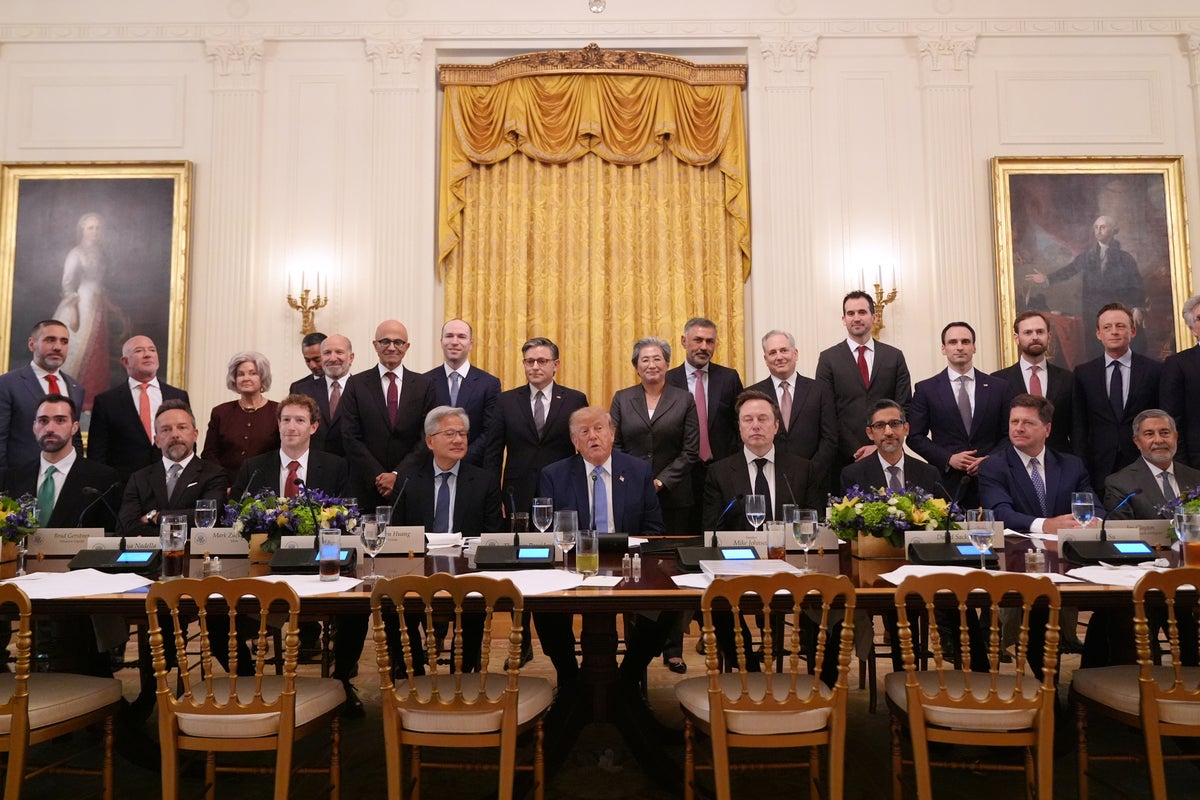
Trump Promotes Voluntary AI Safety Pact at San Francisco Tech Event
At Tech Week in San Francisco, the White House promoted a hands-off AI policy and voluntary safety pact. Industry leaders welcomed the shift toward growth over regulation.

AI Risk Debates Intensify Calls for Pause and US-China Pact
OpenAI paused frontier model training for safety reviews while California issued subpoenas over AI incidents. Officials discussed voluntary standards and potential FTC probes.
The Compass
You just read five takes on one story.
What's your take? Find your political shape in a few minutes.
Take the test