
Supreme Court Upholds Block on Mail Ballot Verification Rules
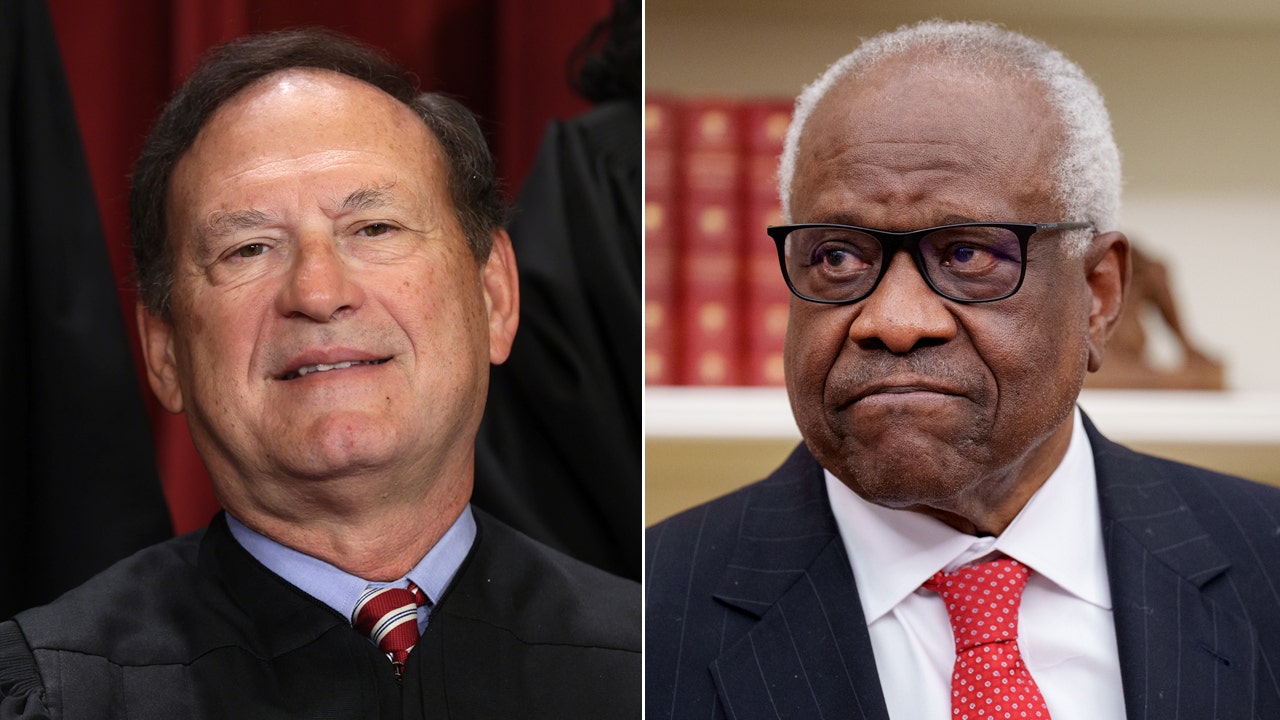
Cover image from foxnews.com, which was analyzed for this article
The Supreme Court rejected the Trump administration's plan to restrict mail-in voting for the midterms in an unsigned decision. Justices Alito and Thomas dissented, while lower courts had already ruled against parts of the proposal.
PoliticalOS
Tuesday, September 15, 2026 — Politics
The Court’s unsigned order leaves existing mail-ballot procedures in place for the midterms because the administration is unlikely to prevail on the current injunction. The underlying questions of Postal Service authority and constitutional allocation of election power remain open for later litigation.
What outlets missed
Most coverage omitted Alito’s detailed statutory analysis that the Administrative Procedure Act exempts Postal Service rulemaking from judicial review and that challengers must therefore meet the narrow ultra vires standard. Few outlets noted that the Postal Service had previously used barcode and tracking systems for other mail classes or that some Republican state election officials had warned of implementation risks. The specific language of the executive order directing citizenship-list verification received little direct quotation across outlets.
Supreme Court Rejects Trump Bid to Overhaul Mail Voting Rules
The Supreme Court on Monday blocked President Donald Trump’s last-minute push to impose new federal requirements on mail ballots ahead of the November midterms, preserving the voting procedures already in use across the country.
The unsigned order upheld a preliminary injunction issued by a federal judge that halted a U.S. Postal Service rule requiring states to redesign ballot envelopes with tracking barcodes, submit voter lists to a new federal portal and seek approval for envelope designs. The changes, directed by Trump’s March executive order, were intended to take effect for the fast-approaching elections, but multiple states had already begun mailing ballots under existing rules.
Eight states plus the District of Columbia rely heavily on mail voting, and officials in those jurisdictions warned that the new mandates would create confusion, raise costs and risk disenfranchising voters who had already received ballots. A coalition of Democratic-led states and civil rights groups argued that the Postal Service lacked authority to impose such sweeping changes at this stage and that the effort violated states’ traditional control over elections.
Justice Brett Kavanaugh agreed the rule could not apply this year, writing that state and local officials lacked sufficient time to implement it without violating the Administrative Procedure Act. He left open the possibility that the underlying authority question could be revisited later. Justices Samuel Alito and Clarence Thomas dissented, contending that the Postal Service possessed broad power to regulate election mail and that the legal challenge amounted to an unlikely long shot.
The ruling came after weeks of rapid litigation. A lower court first issued a temporary restraining order, then converted it into an injunction after the Postal Service published its final rule in late August. The Trump administration had asked the justices to lift that injunction on an emergency basis, but the Court declined, noting the government was unlikely to succeed on the merits at this stage.
Voting rights advocates described the decision as essential to preventing chaos. Democratic election officials in states already sending ballots said they could now proceed without last-minute disruptions. Republican officials in some states that supported the administration’s position expressed disappointment but indicated their processes would continue unchanged for now.
Trump has long cast doubt on mail voting, repeatedly citing unsubstantiated claims of widespread fraud even though mail ballots have been used for decades and account for roughly one-third of all votes cast nationally. The administration framed the new rules as necessary safeguards, yet no evidence of systemic problems with current mail procedures was presented in the court filings.
The Court’s action ensures that voters in states already distributing ballots will not face sudden changes to deadlines or verification steps. Legal challenges to the underlying executive order remain pending in lower courts, where further disputes over the Postal Service’s authority are expected.
You just read Progressive's take. Want to read what actually happened?
More in Politics
Democrats Flip Senate, Expand House Majority in Midterms
Democrats flipped the Senate and expanded their House majority in a major rebuke to President Trump and Republicans. Key victories included multiple Senate seats and state-level wins that ended long-standing GOP dominance in places like Texas.
GOP Losses Spur Blame, Vance Distancing, 2028 Maneuvers
Republicans are pointing fingers internally after heavy losses, with Vice President JD Vance distancing himself from Trump over the Iran war and positioning for a potential 2028 run. Challengers within the party are already sensing opportunity.
Democrats Take House and Senate Amid Record Midterm Turnout
Democrats achieved decisive gains in the 2026 midterms, flipping seats to take control of both chambers. Coverage highlights historic turnout and implications for the Trump administration.
Democrats Take House and Senate, Constraining Trump
Democrats flipped both the House and Senate in a major rebuke to President Trump and Republicans. The results create divided government and set up battles over spending, oversight, and foreign policy for the remainder of Trump's term.
The Compass
You just read five takes on one story.
What's your take? Find your political shape in a few minutes.
Take the test