
Senate GOP Holds Up Nominees, Curbs Trump on Iran War
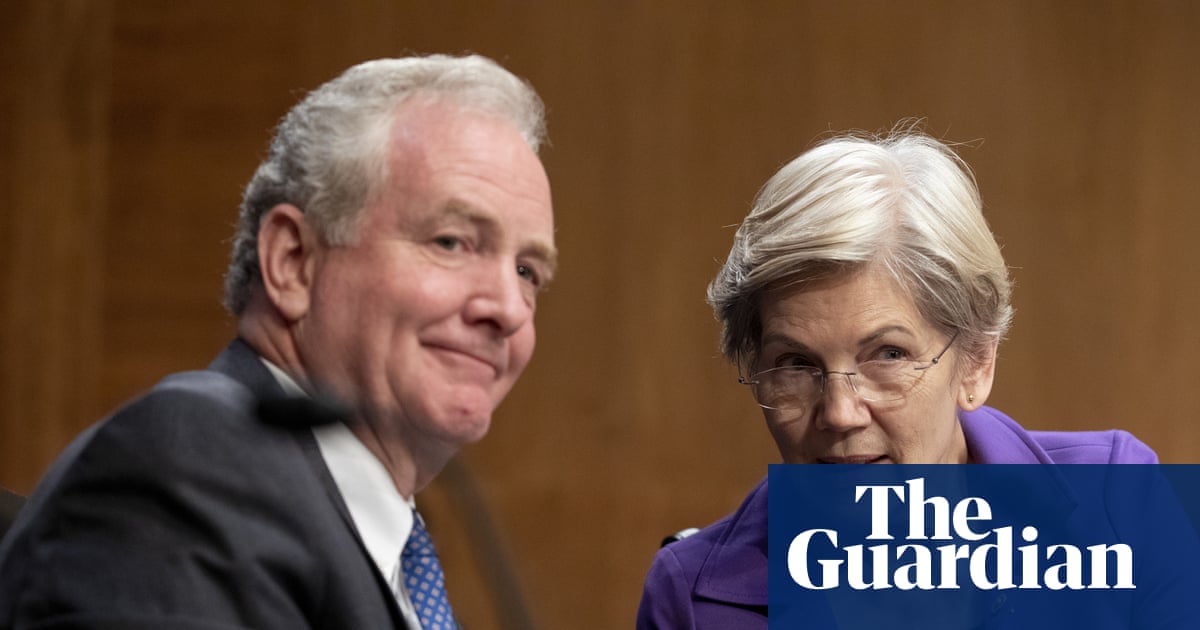
Cover image from theguardian.com, which was analyzed for this article
Senate actions on Iran war powers, Blanche nomination, and other priorities show growing GOP pushback against Trump agenda.
PoliticalOS
Friday, July 31, 2026 — Politics
Senate Republicans facing midterm pressure have used holds and cross-party votes to slow Trump’s attorney-general nominee and require congressional approval for continued Iran operations. These actions test the durability of unified party support in the upper chamber.
What outlets missed
Neither the Sun-Times nor the Guardian identified which Republican senators crossed over on the 49-50 war-powers vote or explained their stated reasons during floor debate. Both pieces omitted the precise constitutional language of the War Powers Resolution and prior congressional invocations of the same statute. The Sun-Times column contained an inaccurate claim that three senators forced withdrawal of the Pulte nomination; no public records confirm that sequence. The Guardian supplied casualty and cost figures without linking them to specific funding votes or appropriations requests under consideration.
Mamdani's Push for More Housing Clashes With Tenant Protections
New York Mayor Zohran Mamdani has positioned his administration as pursuing both increased housing construction and stronger tenant safeguards, an approach some describe as left-leaning YIMBYism. This strategy seeks to address shortages by encouraging development while maintaining rent stabilization and other regulations favored by traditional progressives. Yet economic patterns suggest these goals pull in opposite directions.
Mamdani has rejected the view that supply increases alone solve affordability problems. He supports building more units but insists on preserving tenant protections that limit rent hikes and eviction processes. Proponents argue this combination can expand the stock without displacing current residents. Critics note that such rules have long distorted incentives for landlords and developers.
Historical data on rent regulations shows consistent effects. Cities with strict controls, including parts of New York over decades, have seen reduced maintenance on existing units and slower construction of new ones. Landlords facing capped returns often convert properties to other uses or defer repairs, shrinking effective supply over time. Studies from economists tracking these markets find that regulated buildings experience higher vacancy rates in some cases and fewer upgrades compared to unregulated segments.
Mamdani's middle path draws from arguments that both sides in the housing debate hold partial truths. A genuine shortage of units contributes to price pressures, but heavy tenant rules can deter the private investment needed to close that gap. Minimum-wage workers benefit little from luxury towers nearby if those projects face delays from layered approvals and restrictions. Broader evidence from deregulated markets indicates that easing zoning and permitting leads to faster production across price points, eventually easing costs through competition.
The current effort remains unproven at scale. Past attempts to blend aggressive building targets with rent caps have produced mixed results, often requiring ongoing subsidies to offset reduced private returns. Without changes that align developer incentives with tenant outcomes, new units may remain concentrated in higher segments while older stock deteriorates. Data from comparable jurisdictions shows that removing price controls correlates with increased mobility and better matching of units to demand.
Policy choices that prioritize regulation over unfettered supply expansion carry measurable trade-offs. Empirical records favor approaches that minimize barriers to construction rather than layering protections that blunt market signals. Mamdani's administration will face these dynamics as projects advance and vacancy patterns emerge.
You just read Conservative's take. Want to read what actually happened?
More in Politics
Democrats Flip Senate, Expand House Majority in Midterms
Democrats flipped the Senate and expanded their House majority in a major rebuke to President Trump and Republicans. Key victories included multiple Senate seats and state-level wins that ended long-standing GOP dominance in places like Texas.
GOP Losses Spur Blame, Vance Distancing, 2028 Maneuvers
Republicans are pointing fingers internally after heavy losses, with Vice President JD Vance distancing himself from Trump over the Iran war and positioning for a potential 2028 run. Challengers within the party are already sensing opportunity.
Democrats Take House and Senate Amid Record Midterm Turnout
Democrats achieved decisive gains in the 2026 midterms, flipping seats to take control of both chambers. Coverage highlights historic turnout and implications for the Trump administration.
Democrats Take House and Senate, Constraining Trump
Democrats flipped both the House and Senate in a major rebuke to President Trump and Republicans. The results create divided government and set up battles over spending, oversight, and foreign policy for the remainder of Trump's term.
The Compass
You just read five takes on one story.
What's your take? Find your political shape in a few minutes.
Take the test