
Senate GOP Holds Up Nominees, Curbs Trump on Iran War
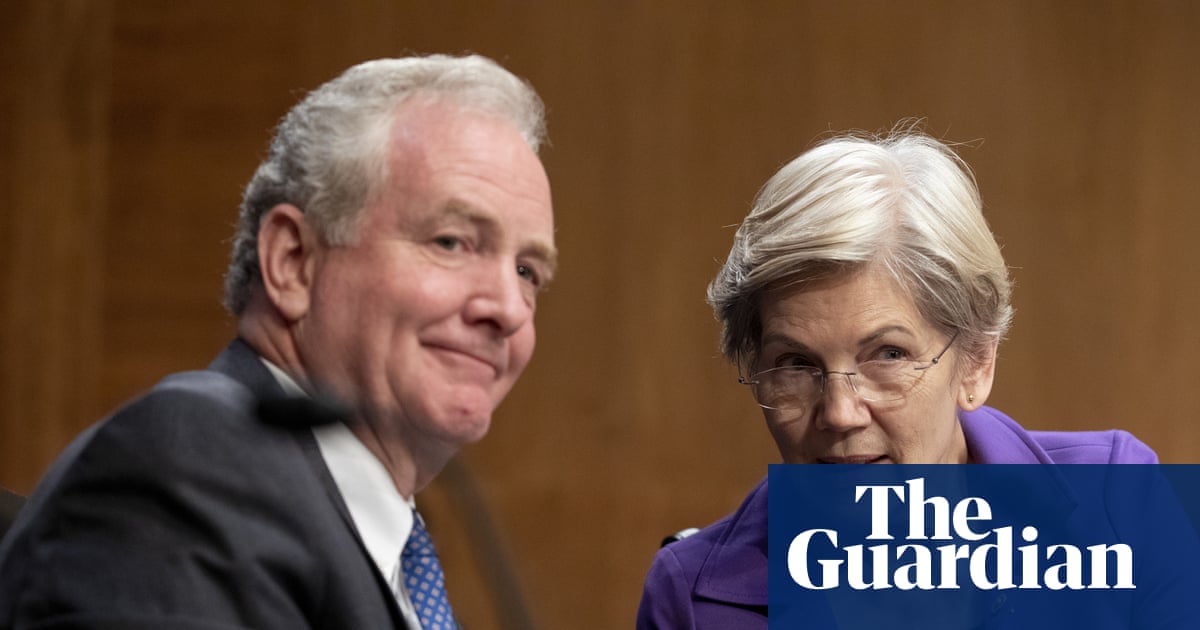
Cover image from theguardian.com, which was analyzed for this article
Senate actions on Iran war powers, Blanche nomination, and other priorities show growing GOP pushback against Trump agenda.
PoliticalOS
Friday, July 31, 2026 — Politics
Senate Republicans facing midterm pressure have used holds and cross-party votes to slow Trump’s attorney-general nominee and require congressional approval for continued Iran operations. These actions test the durability of unified party support in the upper chamber.
What outlets missed
Neither the Sun-Times nor the Guardian identified which Republican senators crossed over on the 49-50 war-powers vote or explained their stated reasons during floor debate. Both pieces omitted the precise constitutional language of the War Powers Resolution and prior congressional invocations of the same statute. The Sun-Times column contained an inaccurate claim that three senators forced withdrawal of the Pulte nomination; no public records confirm that sequence. The Guardian supplied casualty and cost figures without linking them to specific funding votes or appropriations requests under consideration.
Zohran Mamdani Tries to Bridge the Housing Divide
New York mayoral candidate Zohran Mamdani has begun outlining a housing agenda that blends aggressive new construction with stronger tenant safeguards, an approach that tests whether the left can move past its long-running split over supply and regulation.
Mamdani, a state assemblymember, has positioned himself as both a defender of rent stabilization and an advocate for building far more homes. This stance sets him apart from traditional progressive critiques that treat development talk as a cover for developer profits, as well as from market-oriented YIMBY arguments that often treat rent rules as barriers to supply. Instead, his record and recent statements suggest an attempt to treat both tenant protections and new construction as necessary pieces of the same strategy.
The underlying data supports the view that New York faces a genuine shortage. Decades of underbuilding have left the city with too few units relative to demand, pushing rents higher even as incomes stagnate for many households. At the same time, strict rent regulations have preserved affordability for existing tenants in covered buildings, though they have also discouraged some maintenance and new investment in those properties. Mamdani’s framework accepts both realities rather than choosing one at the expense of the other.
This middle path aligns with emerging evidence from other cities that have paired upzoning with expanded tenant rights. When localities add housing while limiting displacement risks, the benefits of new supply reach a broader range of residents instead of concentrating in luxury segments. Mamdani has cited the need for public and nonprofit developers alongside private ones, which could further reduce the chance that new units simply bid up land costs without easing pressure on lower-income renters.
Critics on the left have long argued that any relaxation of land-use rules invites luxury projects that do little for working families. That concern is not unfounded in a market where high-end construction has dominated recent years. Yet Mamdani’s emphasis on preserving and expanding rent stabilization alongside new building directly addresses the fear that supply-side reforms will erode existing protections. The question is whether the political coalition he needs to win will accept that both tools can operate together without one undermining the other.
On the supply side, Mamdani has backed measures to speed permitting and encourage denser construction near transit. He has also called for larger public housing investments and subsidies targeted at moderate-income households. These steps aim to increase overall stock while keeping a portion of new units permanently affordable. The approach avoids the pure deregulation favored by some abundance advocates and the construction skepticism common among tenant organizers.
Whether this synthesis can scale remains uncertain. State-level preemption fights, neighborhood opposition, and fiscal constraints all limit what a mayor can achieve. Still, Mamdani’s early positioning offers a concrete test of whether the left can reconcile its commitment to security for current tenants with the need for many more homes. If the strategy produces measurable increases in both total supply and stabilized units, it could influence debates in other high-cost cities. If it stalls, the old divide between regulation-first and supply-first camps is likely to reassert itself.
You just read Liberal's take. Want to read what actually happened?
More in Politics
Democrats Flip Senate, Expand House Majority in Midterms
Democrats flipped the Senate and expanded their House majority in a major rebuke to President Trump and Republicans. Key victories included multiple Senate seats and state-level wins that ended long-standing GOP dominance in places like Texas.
GOP Losses Spur Blame, Vance Distancing, 2028 Maneuvers
Republicans are pointing fingers internally after heavy losses, with Vice President JD Vance distancing himself from Trump over the Iran war and positioning for a potential 2028 run. Challengers within the party are already sensing opportunity.
Democrats Take House and Senate Amid Record Midterm Turnout
Democrats achieved decisive gains in the 2026 midterms, flipping seats to take control of both chambers. Coverage highlights historic turnout and implications for the Trump administration.
Democrats Take House and Senate, Constraining Trump
Democrats flipped both the House and Senate in a major rebuke to President Trump and Republicans. The results create divided government and set up battles over spending, oversight, and foreign policy for the remainder of Trump's term.
The Compass
You just read five takes on one story.
What's your take? Find your political shape in a few minutes.
Take the test