
Senate GOP Holds Up Nominees, Curbs Trump on Iran War
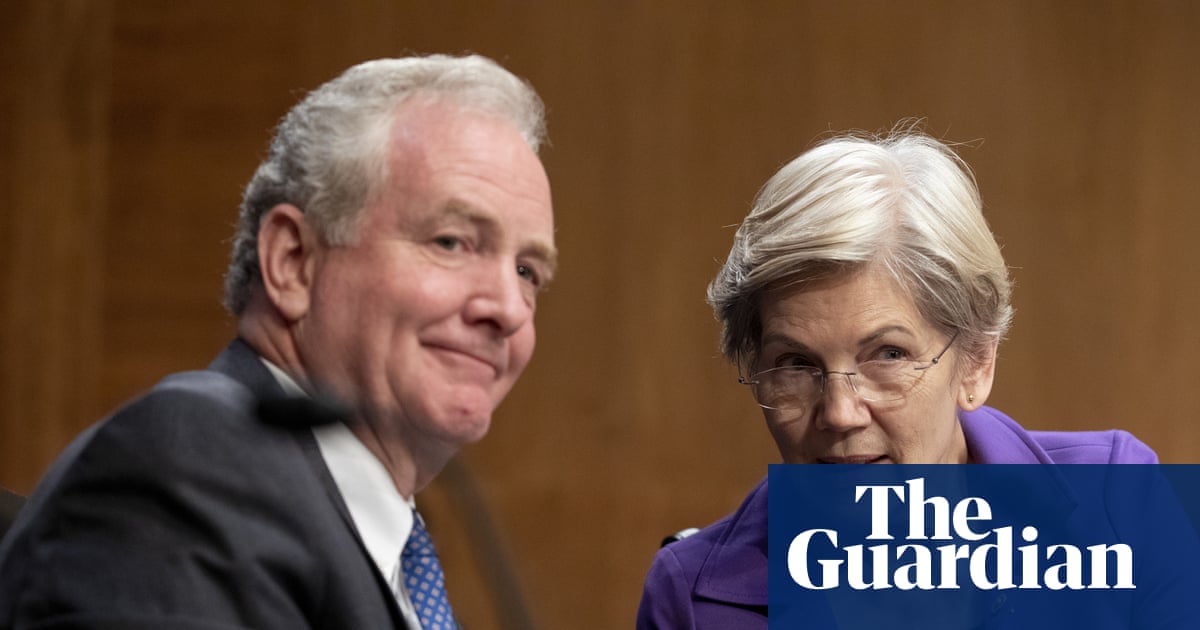
Cover image from theguardian.com, which was analyzed for this article
Senate actions on Iran war powers, Blanche nomination, and other priorities show growing GOP pushback against Trump agenda.
PoliticalOS
Friday, July 31, 2026 — Politics
Senate Republicans facing midterm pressure have used holds and cross-party votes to slow Trump’s attorney-general nominee and require congressional approval for continued Iran operations. These actions test the durability of unified party support in the upper chamber.
What outlets missed
Neither the Sun-Times nor the Guardian identified which Republican senators crossed over on the 49-50 war-powers vote or explained their stated reasons during floor debate. Both pieces omitted the precise constitutional language of the War Powers Resolution and prior congressional invocations of the same statute. The Sun-Times column contained an inaccurate claim that three senators forced withdrawal of the Pulte nomination; no public records confirm that sequence. The Guardian supplied casualty and cost figures without linking them to specific funding votes or appropriations requests under consideration.
Mamdani's Bold Housing Plan Blends Building Boom with Tenant Protections
Zohran Mamdani’s mayoralty in New York is testing whether the left can escape its long-running split over housing. For years progressive activists have clashed over supply-side arguments that treat deregulation as the cure-all and tenant protections that treat every new market-rate tower as a threat to working families. Mamdani is attempting to hold both positions at once, pushing aggressive construction while locking in rent stabilization and stronger eviction defenses.
The approach draws from the recognition that New York simply does not have enough homes. Decades of underbuilding, exclusionary zoning, and community-board vetoes have kept supply artificially tight, driving up costs for renters at every income level. At the same time, the city’s existing stock of rent-regulated units remains the best bulwark against displacement for the working class. Mamdani’s team argues these two facts are not contradictory; they can be addressed together through public investment, targeted upzoning, and ironclad tenant rules that prevent landlords from using new construction as an excuse to harass or evict.
Critics on the traditional left worry that any loosening of land-use rules will hand windfall profits to developers. They point to luxury projects that sit half-empty while rents elsewhere keep climbing. Yet data from cities that have added substantial housing show measurable downward pressure on rents in older buildings once supply increases enough to ease competition. Mamdani’s platform tries to capture that dynamic without sacrificing the regulatory floor that keeps longtime residents in place.
The mayor has also signaled he will not repeat the mistakes of earlier pro-development administrations that relied almost entirely on private capital. His administration is advancing plans for publicly financed or nonprofit-led projects that can guarantee permanently affordable units. At the same time he has backed legislation to expand rent stabilization to more buildings and close loopholes that allow landlords to deregulate units through vacancy or major capital improvements.
Whether the strategy succeeds will depend on execution. Construction costs remain high, labor shortages persist, and state-level approvals still slow many projects. Community opposition in some neighborhoods continues to frame new housing as an automatic driver of gentrification rather than a necessary response to population growth and household formation. Mamdani will need to demonstrate quickly that the units he green-lights actually reach working-class renters and not just higher-income newcomers priced out of other cities.
The larger lesson is that the binary choice between building and regulating has always been a false one. Cities that neglect supply watch rents rise regardless of tenant laws; cities that gut tenant protections watch displacement accelerate even when units are added. Mamdani’s experiment is an attempt to break that deadlock by treating both supply and security as non-negotiable. If it produces more homes without eroding the city’s rent-regulated base, it could offer a model for other left-led municipalities facing similar pressures. If it stalls, the old divide will only sharpen.
You just read Progressive's take. Want to read what actually happened?
More in Politics
Democrats Flip Senate, Expand House Majority in Midterms
Democrats flipped the Senate and expanded their House majority in a major rebuke to President Trump and Republicans. Key victories included multiple Senate seats and state-level wins that ended long-standing GOP dominance in places like Texas.
GOP Losses Spur Blame, Vance Distancing, 2028 Maneuvers
Republicans are pointing fingers internally after heavy losses, with Vice President JD Vance distancing himself from Trump over the Iran war and positioning for a potential 2028 run. Challengers within the party are already sensing opportunity.
Democrats Take House and Senate Amid Record Midterm Turnout
Democrats achieved decisive gains in the 2026 midterms, flipping seats to take control of both chambers. Coverage highlights historic turnout and implications for the Trump administration.
Democrats Take House and Senate, Constraining Trump
Democrats flipped both the House and Senate in a major rebuke to President Trump and Republicans. The results create divided government and set up battles over spending, oversight, and foreign policy for the remainder of Trump's term.
The Compass
You just read five takes on one story.
What's your take? Find your political shape in a few minutes.
Take the test