
Senate Passes Bipartisan Stopgap Bill Funding Government to Dec. 11
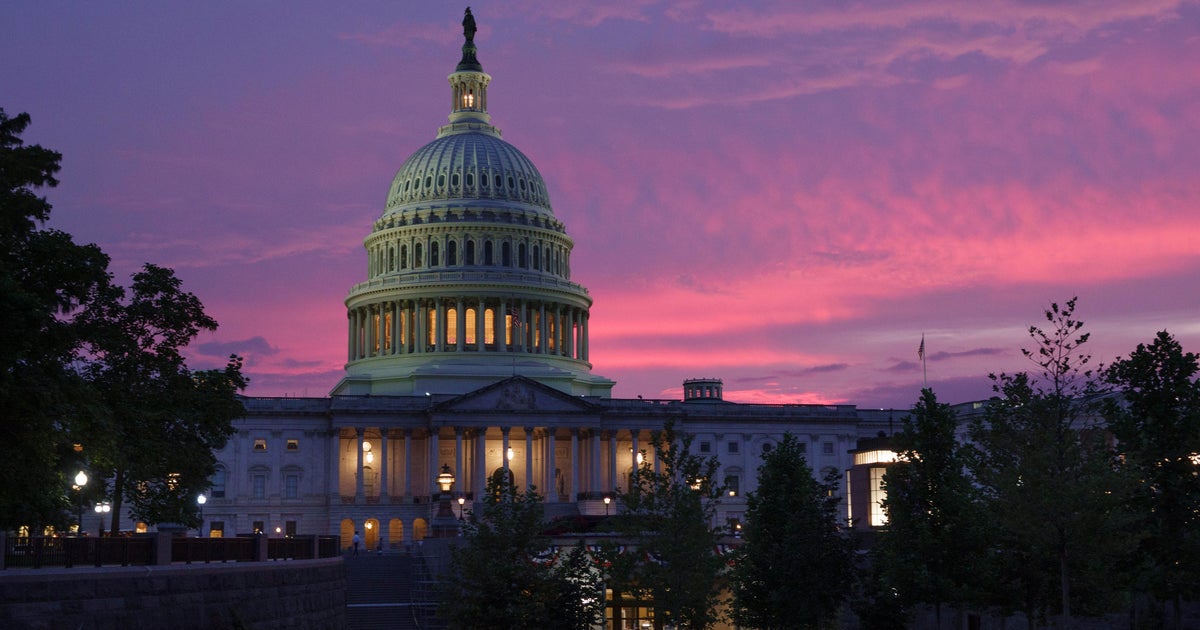
Cover image from cbsnews.com, which was analyzed for this article
Lawmakers approved a continuing resolution to keep the government funded through December, avoiding a shutdown fight before the midterms. The measure passed with bipartisan support after months of uncertainty.
PoliticalOS
Saturday, August 8, 2026 — Politics
Congress acted early to avoid a pre-election shutdown, yet the bill’s two contested provisions—one limiting administration funding moves and one delaying a hemp-product ban—must still clear the House before September 30. The 90-6 margin shows broad Senate agreement on timing, but chamber differences and specific riders leave the final outcome unresolved.
What outlets missed
The hemp-product delay directly benefits the son-in-law of White House Chief of Staff Susie Wiles, who leads companies selling the affected items; only one outlet named the connection and specific product examples. Three earlier funding lapses in fiscal 2026 are referenced in passing by some reports but never tied explicitly to the decision to act more than a month before the deadline. The House’s separate continuing resolution, passed with Democratic opposition, creates a concrete legislative mismatch that must be reconciled before September 30, yet most accounts treat House action as a secondary detail rather than a required next step.
Senate Clears Short-Term Funding Bill to Head Off Pre-Election Shutdown
The Senate voted 90 to 6 early Saturday to approve a continuing resolution that would keep federal agencies funded at current levels through December 11. The measure, negotiated by Republican and Democratic appropriators, now heads to the House, where lawmakers must reconcile it with their own version before the September 30 deadline to prevent a lapse in spending.
The bill includes targeted adjustments sought by Democrats, including language that would temporarily bar the Trump administration from shifting money toward border security programs and delay implementation of a new rule that would give political appointees greater control over federal grants. It also contains modest increases for housing assistance, the SNAP and WIC nutrition programs, and disaster relief. Those provisions emerged after weeks of talks that began with a framework announced by top Senate appropriators the previous weekend.
Both parties had strong incentives to resolve the issue quickly. Midterm elections are set for November 3, and polling in recent cycles has shown voters punishing incumbents for prolonged budget fights. Senate leaders cited the political costs of two earlier funding lapses during the current fiscal year as additional motivation. By acting more than a month before the deadline, senators avoided the familiar pattern of last-minute negotiations that often collapse into public standoffs.
Republicans framed the outcome as a successful effort to keep the government open without conceding core priorities. Senate Majority Leader John Thune noted that Democrats appeared reluctant to face sustained criticism for risking a shutdown in the final stretch before voters head to the polls. Democrats, for their part, highlighted the concessions they secured on grant oversight and border funding transfers, arguing that the agreement preserved important guardrails even as it extended existing spending levels.
The House passed a separate short-term measure last month that drew largely partisan support. Differences between the two chambers will need to be settled in conference, though both sides have signaled a desire to finalize legislation before the August recess ends. President Trump has indicated support for the overall approach, including a provision that would briefly postpone enforcement of a ban on certain hemp-derived products.
The vote reflected a pragmatic calculation rather than a fundamental shift in partisan dynamics. With an electorate already displaying anti-incumbent sentiment in primaries, neither party saw advantage in allowing funding to lapse weeks before Election Day. The result is another interim patch that defers larger decisions on discretionary spending until after voters have rendered their verdict, a pattern that has become routine in an era of narrow majorities and frequent fiscal deadlines.
You just read Liberal's take. Want to read what actually happened?
More in Politics
Democrats Flip Senate, Expand House Majority in Midterms
Democrats flipped the Senate and expanded their House majority in a major rebuke to President Trump and Republicans. Key victories included multiple Senate seats and state-level wins that ended long-standing GOP dominance in places like Texas.
GOP Losses Spur Blame, Vance Distancing, 2028 Maneuvers
Republicans are pointing fingers internally after heavy losses, with Vice President JD Vance distancing himself from Trump over the Iran war and positioning for a potential 2028 run. Challengers within the party are already sensing opportunity.
Democrats Take House and Senate Amid Record Midterm Turnout
Democrats achieved decisive gains in the 2026 midterms, flipping seats to take control of both chambers. Coverage highlights historic turnout and implications for the Trump administration.
Democrats Take House and Senate, Constraining Trump
Democrats flipped both the House and Senate in a major rebuke to President Trump and Republicans. The results create divided government and set up battles over spending, oversight, and foreign policy for the remainder of Trump's term.
The Compass
You just read five takes on one story.
What's your take? Find your political shape in a few minutes.
Take the test