
Senate Passes Bipartisan Stopgap Bill Funding Government to Dec. 11
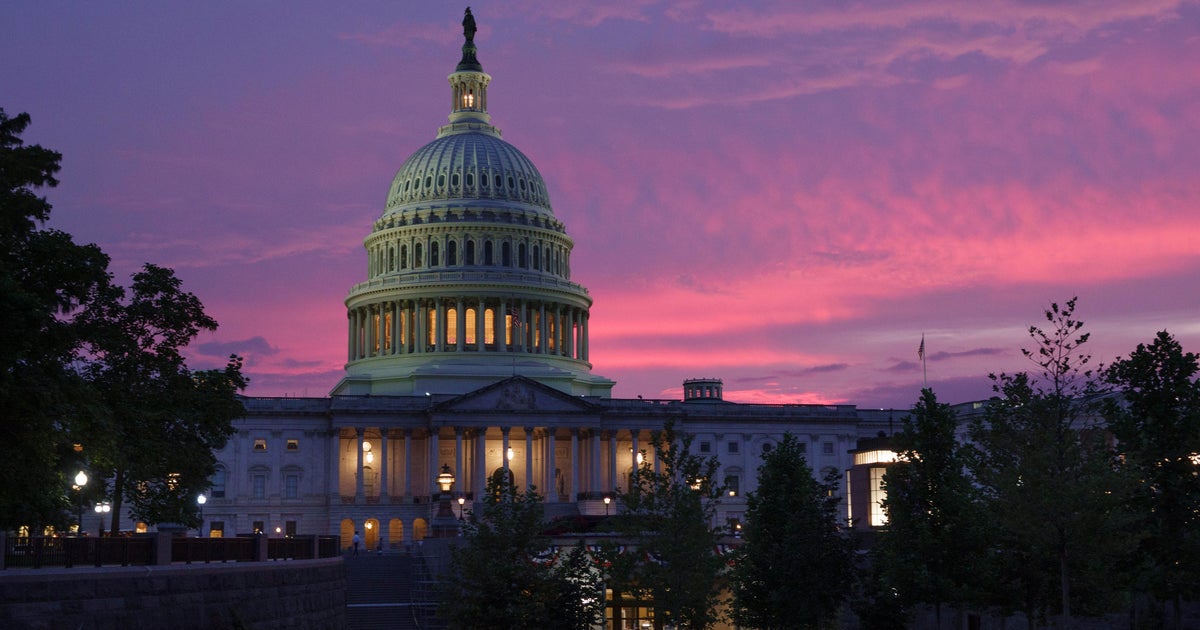
Cover image from cbsnews.com, which was analyzed for this article
Lawmakers approved a continuing resolution to keep the government funded through December, avoiding a shutdown fight before the midterms. The measure passed with bipartisan support after months of uncertainty.
PoliticalOS
Saturday, August 8, 2026 — Politics
Congress acted early to avoid a pre-election shutdown, yet the bill’s two contested provisions—one limiting administration funding moves and one delaying a hemp-product ban—must still clear the House before September 30. The 90-6 margin shows broad Senate agreement on timing, but chamber differences and specific riders leave the final outcome unresolved.
What outlets missed
The hemp-product delay directly benefits the son-in-law of White House Chief of Staff Susie Wiles, who leads companies selling the affected items; only one outlet named the connection and specific product examples. Three earlier funding lapses in fiscal 2026 are referenced in passing by some reports but never tied explicitly to the decision to act more than a month before the deadline. The House’s separate continuing resolution, passed with Democratic opposition, creates a concrete legislative mismatch that must be reconciled before September 30, yet most accounts treat House action as a secondary detail rather than a required next step.
Senate Passes Bipartisan Funding Measure to Block Shutdown and Curb Trump Administration Overreach
The Senate voted 90 to 6 early Saturday to approve a short-term spending bill that funds the federal government through December 11 and includes targeted provisions to limit the Trump administration’s ability to redirect money for political purposes. The measure now heads to the House, where Republicans have advanced a separate plan that drew strong Democratic opposition before lawmakers left for recess.
Negotiators from both parties reached the agreement after months of uncertainty over whether Republicans would force a shutdown confrontation ahead of the November midterms. The Senate version maintains current funding levels with adjustments for food assistance programs such as SNAP and WIC, plus disaster relief and national security accounts. It also delays a scheduled ban on certain hemp products that President Trump had sought.
Democrats secured language that temporarily prevents the White House budget office from implementing a new rule giving political appointees greater control over hundreds of billions in federal grants. The provision was added after concerns that the change could allow the administration to withhold funds from states and localities that oppose its priorities. Another clause bars the transfer of money from other programs to border security operations without congressional approval.
Senate Minority Leader Chuck Schumer said the concessions reflected sustained Democratic pressure to keep the government open while protecting core priorities. Republican leaders, including Majority Leader John Thune, described the outcome as a necessary political calculation to avoid months of attacks over shutdown threats. Both sides appeared eager to sidestep the kind of funding lapses that occurred multiple times in the current fiscal year.
The House passed its own continuing resolution last month with little Democratic support. Lawmakers there must now reconcile differences with the Senate bill before the September 30 deadline to prevent a lapse in funding that would begin October 1. Several House Republicans have signaled resistance to the Senate’s grant and border provisions, raising the possibility of further negotiations when Congress returns in September.
The early vote marked a departure from the last-minute funding fights that have defined recent budget cycles. With voters showing broad frustration toward incumbents in both parties during primary season, neither side wanted to risk the political fallout of a shutdown so close to Election Day. The bipartisan approach in the Senate reflected that calculation, even as the two chambers work to align their versions.
If the final bill reaches President Trump’s desk without major changes, agencies would operate under the stopgap terms until early December, buying time for longer-term spending talks. Democrats view the included restrictions as a meaningful check on executive power, while Republicans maintain that the overall package preserves their leverage in future negotiations.
You just read Progressive's take. Want to read what actually happened?
More in Politics
Democrats Flip Senate, Expand House Majority in Midterms
Democrats flipped the Senate and expanded their House majority in a major rebuke to President Trump and Republicans. Key victories included multiple Senate seats and state-level wins that ended long-standing GOP dominance in places like Texas.
GOP Losses Spur Blame, Vance Distancing, 2028 Maneuvers
Republicans are pointing fingers internally after heavy losses, with Vice President JD Vance distancing himself from Trump over the Iran war and positioning for a potential 2028 run. Challengers within the party are already sensing opportunity.
Democrats Take House and Senate Amid Record Midterm Turnout
Democrats achieved decisive gains in the 2026 midterms, flipping seats to take control of both chambers. Coverage highlights historic turnout and implications for the Trump administration.
Democrats Take House and Senate, Constraining Trump
Democrats flipped both the House and Senate in a major rebuke to President Trump and Republicans. The results create divided government and set up battles over spending, oversight, and foreign policy for the remainder of Trump's term.
The Compass
You just read five takes on one story.
What's your take? Find your political shape in a few minutes.
Take the test