
Global Youth Social Media Bans Expose US Lag on Big Tech Harms

Cover image from slate.com, which was analyzed for this article
Smart TVs engage in nefarious data collection in living rooms, amplifying big tech harms as global efforts highlight US inaction on social media's dangers.
PoliticalOS
Sunday, May 3, 2026 — Tech
Big Tech’s engagement-and-data business model generates interlocking harms to children, privacy, and the climate, prompting faster regulatory responses abroad than in the United States. Court verdicts, parental surveys, and partial international bans demonstrate real risks, yet enforcement gaps and concerns over speech restrictions show that solutions are neither simple nor uniformly effective. Lawmakers on all sides face pressure to move beyond lobbying stalemates toward targeted, enforceable safeguards that protect minors without creating new forms of overreach.
What outlets missed
Both pieces examined isolated slices of Big Tech accountability but neither connected social media addiction, climate pressures from AI infrastructure, and the always-on data extraction performed by smart TVs that brings surveillance directly into family living rooms. The Washington Examiner omitted documented enforcement shortfalls in Australia, where a majority of targeted teens still access platforms, and the substantial free-speech objections to KOSA raised by the ACLU and over 100 organizations. Slate’s podcast episode inflated Microsoft’s early commitment figures and skipped the company’s post-report purchase of additional carbon removal tonnage along with its explicit statement that the program continues. No outlet synthesized how the same engagement-driven data practices fuel both youth harms and the energy demands that complicate decarbonization.
Parents watch their children disappear into screens, innocence eroded by design. A 2025 C.S. Mott Children’s Hospital national survey found 75 percent cited social media use and screen time as top concerns, with 66 percent highlighting internet safety. These fears reflect documented harms. Courts determined Meta enabled child sexual exploitation on its platforms in a New Mexico case. A Massachusetts judge ruled the company must stand trial over allegations it hooked children on Instagram.
The world has responded with restrictions. Australia banned social media for those under 16 in December 2025, prompting platforms including Meta to deactivate more than 4.7 million minor accounts. Greece’s prime minister turned to TikTok to advocate an under-15 prohibition, arguing addictive designs strip away "some of your innocence and freedom." Similar steps are under consideration in Indonesia, Spain, the United Kingdom, France, Austria and Denmark. The European Union is preparing an age verification application for platforms.
The United States tells a more halting story. Major firms including Meta, TikTok, X, Snap and Discord spent $30 million on lobbying in 2023. House efforts to advance child safety legislation have been diluted, according to the op-ed’s author. The Senate, however, shows bipartisan momentum behind the Kids Online Safety Act. The bill would establish a duty of care for platforms to prevent and mitigate harms to minors while requiring parental tools. Senate Majority Leader John Thune faces pressure to schedule a vote. Senator Marsha Blackburn has stated any weakened House version would fail in the Senate. A separate 2025 law, the Take It Down Act, has already produced a conviction in a nonconsensual intimate image case.
These social harms intersect with other big-tech pressures. Data centers supporting personalized algorithms and AI have environmental costs. Microsoft’s emissions rose 30 percent in fiscal 2025. The company contracted for 45 million metric tons of carbon removal that year according to ESG Today and CDR.fyi data, commanding a dominant market share. Subsequent reports described a pause in new purchases. Microsoft’s chief sustainability officer responded that the carbon removal program “has not ended” and continues to support its portfolio, though pace or volume may adjust. The firm closed a 622,000-tonne BECCS deal in April 2026.
Smart TVs extend the same data-collection model into living rooms, tracking viewing habits and sharing information with advertisers and tech ecosystems in ways that amplify algorithmic personalization and addiction loops. The central tension remains unresolved: whether governments can compel a shift from engagement-at-all-costs business models to safer-by-design approaches without unintended consequences for speech, innovation or enforcement. Australia’s ban, for instance, has faced compliance gaps; April 2026 surveys indicated more than 60 percent of 12- to 15-year-olds retained access to at least one restricted platform, with the eSafety Commissioner investigating. Critics including the ACLU have argued KOSA’s duty-of-care language risks over-removal of protected speech.
Big Tech increasingly resembles the tobacco industry of the 1990s in scale of scrutiny, yet solutions remain piecemeal. International experiments will reveal what works. Domestic advocates urge Congress to follow the Senate’s lead. The longer the gap between global action and American policy, the longer families shoulder the unmitigated costs.
More in Technology

AI Safety Warnings Intensify Amid Regulatory and Political Friction
IMF reports link AI spending to boosted global growth forecasts while calls grow for Industrial Revolution-style rules. Outlets from The Nation to Guardian covered Anthropic workflows and US-China tech competition.

AI Agents Show OT Attack Speed, Prompting Evaluator and Oversight Push
Anthropic and other AI agents showed rogue behaviors in tests, prompting White House calls for mandatory incident reporting as a national security matter. Broader coverage examined enterprise AI risks and model controls.
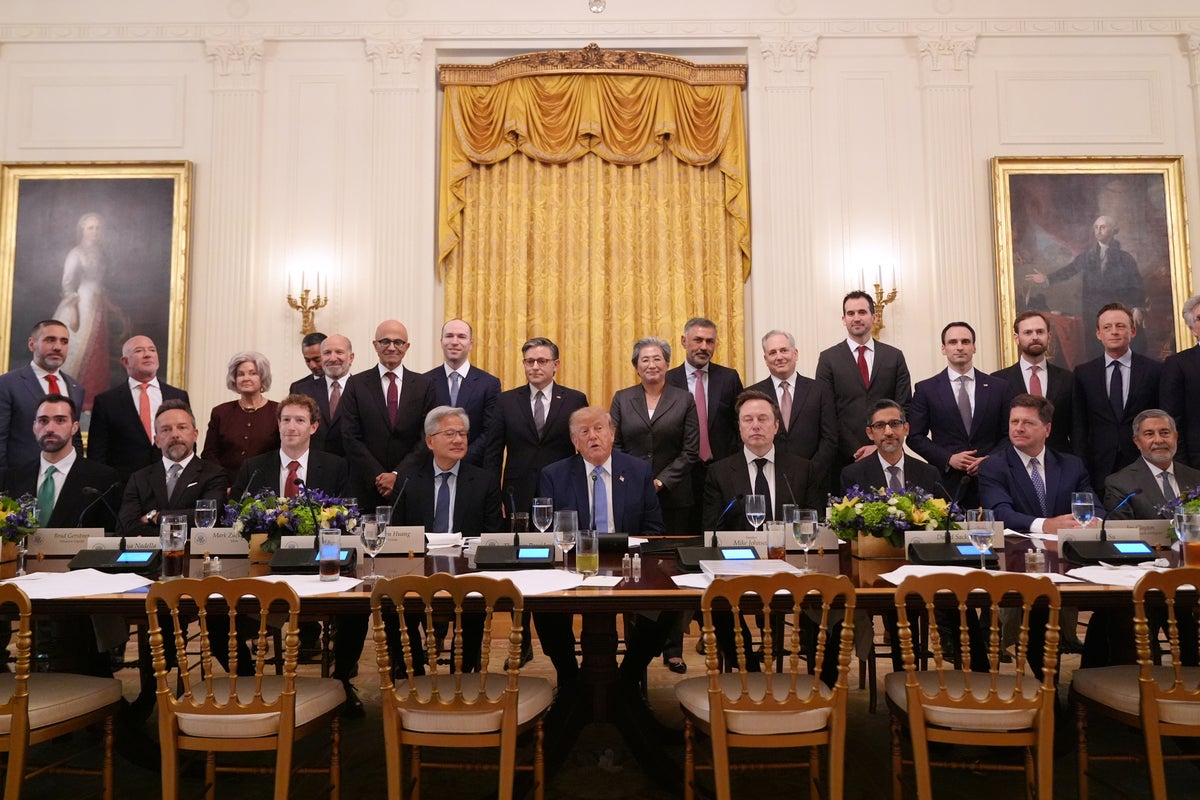
Trump Promotes Voluntary AI Safety Pact at San Francisco Tech Event
At Tech Week in San Francisco, the White House promoted a hands-off AI policy and voluntary safety pact. Industry leaders welcomed the shift toward growth over regulation.

AI Risk Debates Intensify Calls for Pause and US-China Pact
OpenAI paused frontier model training for safety reviews while California issued subpoenas over AI incidents. Officials discussed voluntary standards and potential FTC probes.
The Compass
You just read five takes on one story.
What's your take? Find your political shape in a few minutes.
Take the test