
Trump Weighs Spirit Airlines Rescue as Conservatives Warn of Taxpayer Trap
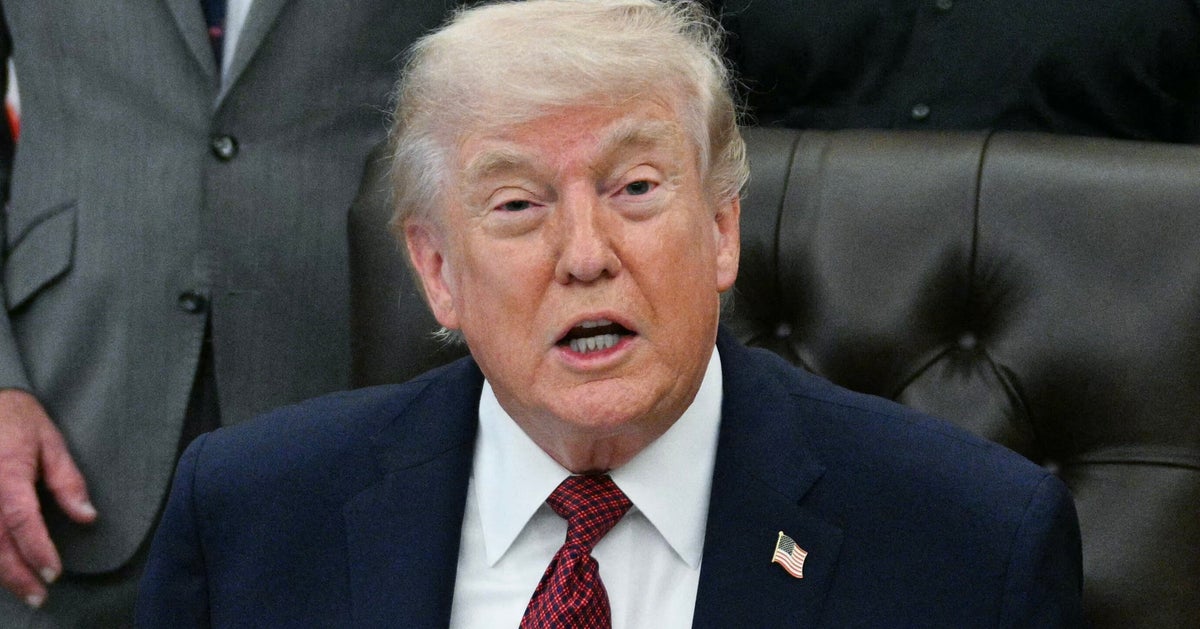
Cover image from huffpost.com, which was analyzed for this article
Trump eyes government bailout or resale of bankrupt Spirit Airlines amid fuel crisis, slammed as 'Trump Shuttle' repeat by WSJ. Conservatives warn against federal cockpit control and industry ripples. Liquidation fears spread.
PoliticalOS
Friday, April 24, 2026 — Business
Spirit's crisis stems from a toxic mix of regulatory decisions, mechanical failures, repeated bankruptcies and an external fuel shock, not any single cause. A government equity stake would break long precedent and likely prove difficult to unwind, yet pure liquidation carries immediate costs for workers and some consumers on budget routes. The episode ultimately tests whether Washington can resist inserting itself when a politically visible company fails, even after earlier intervention helped shape that failure.
What outlets missed
All three outlets underplayed the severity of the Pratt & Whitney engine recalls that grounded dozens of Spirit aircraft starting in 2023, well before the final JetBlue ruling, and generated over $1 billion in documented losses according to SEC filings and Reuters. They also gave minimal attention to Spirit's March 2026 private restructuring support agreement with creditors designed to slash $5.3 billion in debt without taxpayer funds, which showed the market was still attempting solutions. The fuel price surge to over $4 per gallon triggered by Strait of Hormuz disruptions received only glancing references despite its role as an immediate catalyst that upended restructuring math for the entire sector. Finally, coverage largely ignored the DOJ's detailed consumer-harm predictions from the merger block, including specific route-by-route analyses showing Spirit's elimination would raise fares 10-30 percent in many leisure markets.
Thousands of jobs, millions in annual consumer savings on budget flights, and a precedent for government ownership of private companies now hang in the balance. Spirit Airlines, the nation's leading ultra-low-cost carrier, faces possible liquidation after two Chapter 11 filings in under two years. The Trump administration is weighing direct financial support that could reach $500 million, according to multiple Wall Street Journal reports, in exchange for equity warrants that might give Washington a stake as high as 90 percent.
The central tension is stark. A Biden-era Justice Department decision blocked Spirit's 2022 merger with JetBlue in January 2024, citing the loss of an aggressive discounter that had kept fares low on dozens of routes. DOJ officials argued the combined carrier would reduce competition for price-sensitive travelers. Spirit never recovered its footing. It filed for bankruptcy in late 2024, restructured, then filed again in 2025 after Pratt & Whitney engine recalls grounded roughly one-third of its fleet and fuel prices spiked. Jet fuel costs doubled in some metrics after disruptions tied to U.S.-Israeli actions against Iran, according to J.P. Morgan and Reuters analyses, adding hundreds of millions in unplanned expenses.
President Trump has signaled interest in stepping in. He described the airline's aircraft and slots as valuable assets that could be sold profitably once oil prices ease, though exact wording in some reports could not be independently verified across outlets. Commerce Secretary Howard Lutnick has reportedly highlighted the political benefit of protecting jobs ahead of midterms. Transportation Secretary Sean Duffy has pushed back, noting prior aid produced little improvement and that the lack of private buyers sends its own signal.
The Wall Street Journal editorial board called the idea flawed on its face. It warned of moral hazard, future demands for more support, and unfair advantages against competitors. The board asked whether this marked a revival of the Trump Shuttle, the former president's short-lived 1980s airline venture that ultimately failed. Senator Ted Cruz labeled any bailout "an absolutely TERRIBLE idea." Steve Forbes, writing in the Daily Wire, argued Washington had first blocked a private-sector solution then offered taxpayer money as remedy. Both pieces urged an orderly sale of assets, a potential Frontier merger, or pure market restructuring instead.
Spirit's troubles run deeper than any single policy choice. The carrier lost more than $1 billion in recent years even before the latest fuel shock. Its debt had ballooned to $7.4 billion; a March 2026 restructuring support agreement with private creditors aimed to cut that roughly in half while shrinking the fleet to 76-80 aircraft. That plan has shown limited progress. Industry analysts note that if Spirit liquidates, its planes, gates and routes will not vanish. Stronger carriers would absorb them. Fares on some leisure routes could still rise without Spirit's ultra-low-cost model, though quantifying that effect remains contested.
Conservative voices have largely lined up against federal cockpit control. They point to the 2008 TARP precedent and argue that once government owns equity, political pressure will make exit difficult. Yet the administration appears to view any role as temporary. Details on legal authority for such a transaction without Congress remain unclear; Commerce and Treasury officials have not publicly released full terms.
The stakes extend beyond one airline. A bailout could ripple through an industry still consolidating after the pandemic. It might preserve short-term competition on certain routes. It could also signal that politically visible failures earn federal parachutes. Bankruptcy exists precisely for cases like this: renegotiate contracts, attract fresh capital or transfer assets to stronger hands. Whether that process now requires a government bridge remains the unresolved question. Passengers holding tickets would likely be protected in an orderly wind-down, but employees face real hardship. So far, no final decision has been announced.
More in Business & Economy

Major Banks Deliver Mixed Q3 Results on Trading Beats
JPMorgan, Goldman Sachs, Citigroup, and Wells Fargo reported Q3 figures, with revenue beats in trading but some estimate misses. CNBC provided live updates on the results and market reactions.

Oil Falls on Russian Diesel Outlook Despite Geopolitical Risks
Dow futures rose while Nasdaq faced pressure from tech weakness and elevated oil after geopolitical spikes. CNBC tracked premarket moves tied to earnings and Fed speeches.

Hall and Woodford Win Economics Nobel for Stabilization Models
American economists Robert E. Hall and Michael Woodford won the Nobel memorial prize for their research on managing economies through booms and busts, informing central bank policies on inflation and unemployment.

Skydance Closes Paramount-Warner Bros. Discovery Deal
The long-delayed media mega-merger cleared hurdles and began operations under Skydance, consolidating Hollywood power. Center and center-left outlets track the regulatory and business milestones.
The Compass
You just read five takes on one story.
What's your take? Find your political shape in a few minutes.
Take the test