
25 States Sue Trump Administration Over Forced-Labor Tariffs
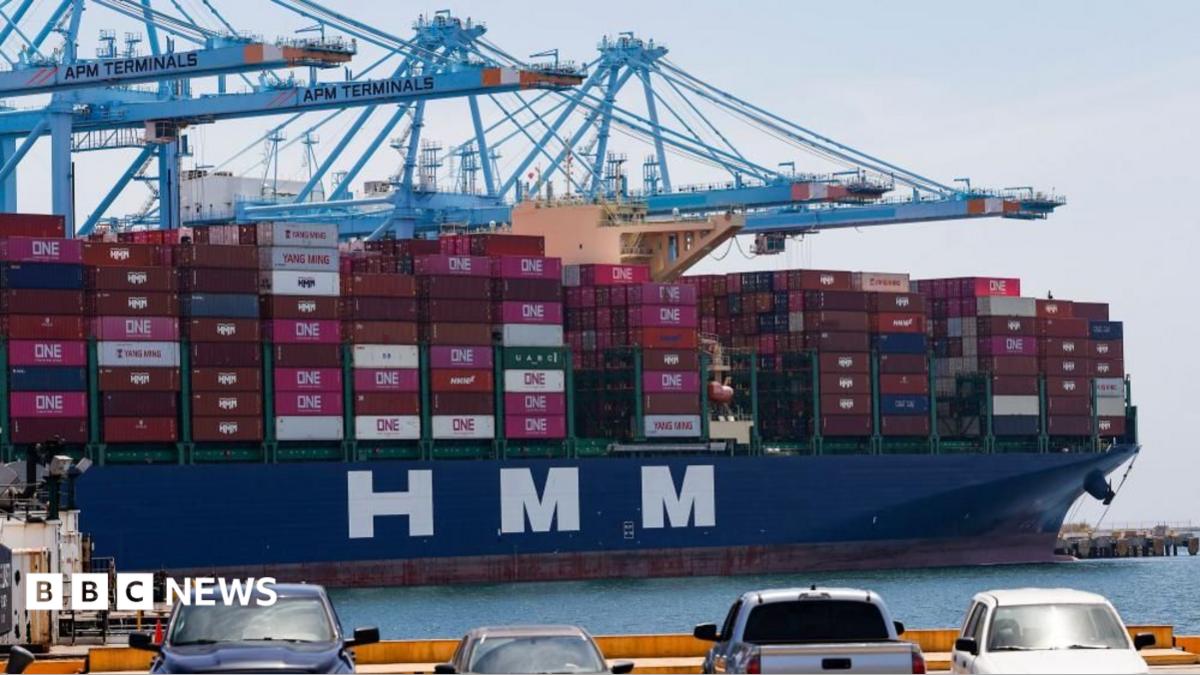
Cover image from bbc.co.uk, which was analyzed for this article
Twenty-five states filed suit against the Trump administration's new Section 301 tariffs impacting dozens of countries, arguing they exceed executive authority.
PoliticalOS
Tuesday, August 4, 2026 — Politics
The lawsuit tests whether Section 301 can support broad tariffs justified by forced-labor concerns after prior statutory routes were blocked by the Supreme Court. The outcome will determine if the administration can sustain these duties or must refund importers and revise its approach.
What outlets missed
All three accounts omit the USTR’s July 23 Federal Register notice that contained economy-specific findings on forced-labor enforcement failures. None reports the Court of International Trade’s separate ruling striking down the Section 122 tariffs or the status of its appeal. The articles also leave unexamined the statutory definition of “unreasonable” practices under Section 301 and how the administration’s two-month timeline compares with historical precedents beyond the China example.
States Sue Over Trump Tariffs Targeting Forced Labor in Global Trade
Twenty-five states filed suit Monday in the Court of International Trade against the Trump administration's new tariffs on imports from 59 countries and the European Union. The duties, set at 10 percent or 12.5 percent, took effect in late July and apply to goods accounting for 99.4 percent of all U.S. imports, according to the Office of the U.S. Trade Representative.
The states, led by New York Attorney General Letitia James, argue that the administration used Section 301 of the 1974 Trade Act as a pretext after the Supreme Court invalidated earlier tariffs imposed under the International Emergency Economic Powers Act. They claim the rapid rollout, covering such a wide range of trading partners including the UK, China, and the EU, shows the forced-labor justification lacks proper investigation or consultation. The complaint alleges the tariffs violate procedural requirements and amount to an arbitrary attempt to raise import costs on American businesses and consumers.
White House spokesman Kush Desai countered that the administration is exercising lawful authority under Section 301 to address trading partners' failures to curb goods made with forced labor. He described such practices as unreasonable burdens on U.S. companies and noted that similar tariffs during Trump's first term withstood legal challenges. Section 301 has long authorized actions against unfair foreign trade practices, and officials completed reviews of dozens of economies in a compressed timeframe before setting the rates.
The timing of the new duties aligns closely with the expiration of temporary measures struck down by the Court. States including California, Illinois, Massachusetts, and Pennsylvania joined the filing, along with others such as Arizona, Colorado, and Michigan. James stated the move seeks to block what she called an illegal effort to impose taxes through the back door.
Administration defenders point to documented cases of forced labor in supply chains, particularly from China, as a core trade distortion that free-market principles alone cannot resolve when foreign governments subsidize or overlook the abuse. Tariffs under Section 301 in the prior term targeted similar issues and survived court review, suggesting the current measures rest on firmer statutory ground than the emergency powers previously rejected.
Critics of the lawsuit note that broad coverage of imports reflects the widespread nature of the problem rather than overreach. Many countries have failed to enforce standards that prevent forced-labor products from entering global markets, creating competitive disadvantages for U.S. producers who comply with domestic labor laws. The suit's focus on procedure may delay enforcement without addressing the underlying economic incentives that allow such practices to persist.
Past experience shows that targeted trade measures can shift behavior when paired with credible enforcement. During the first term, Section 301 actions prompted negotiations and some adjustments in foreign policies on intellectual property and subsidies. The current tariffs extend that approach to labor conditions, aiming to level the field for American workers and manufacturers.
The case will test the limits of executive trade authority under existing statutes. Plaintiffs seek to halt collection of the duties and obtain refunds, while the administration maintains that foreign failures on forced labor justify continued pressure. Economic data from prior rounds indicate that such tariffs can reduce reliance on distorted supply chains without collapsing overall trade volumes, as businesses adapt sourcing over time.
Observers expect further litigation as the Court of International Trade reviews arguments on both sides. The outcome may clarify how broadly Section 301 can apply when multiple countries fall short on labor enforcement.
You just read Conservative's take. Want to read what actually happened?
More in Politics
Democrats Flip Senate, Expand House Majority in Midterms
Democrats flipped the Senate and expanded their House majority in a major rebuke to President Trump and Republicans. Key victories included multiple Senate seats and state-level wins that ended long-standing GOP dominance in places like Texas.
GOP Losses Spur Blame, Vance Distancing, 2028 Maneuvers
Republicans are pointing fingers internally after heavy losses, with Vice President JD Vance distancing himself from Trump over the Iran war and positioning for a potential 2028 run. Challengers within the party are already sensing opportunity.
Democrats Take House and Senate Amid Record Midterm Turnout
Democrats achieved decisive gains in the 2026 midterms, flipping seats to take control of both chambers. Coverage highlights historic turnout and implications for the Trump administration.
Democrats Take House and Senate, Constraining Trump
Democrats flipped both the House and Senate in a major rebuke to President Trump and Republicans. The results create divided government and set up battles over spending, oversight, and foreign policy for the remainder of Trump's term.
The Compass
You just read five takes on one story.
What's your take? Find your political shape in a few minutes.
Take the test