
25 States Sue Trump Administration Over Forced-Labor Tariffs
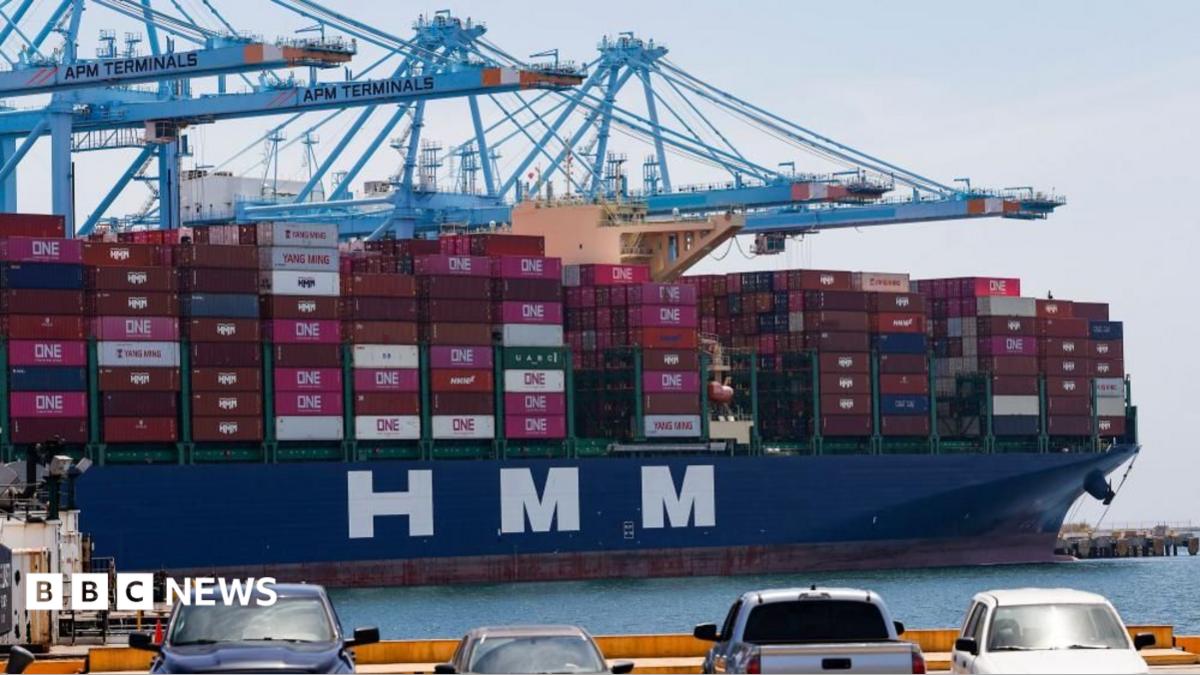
Cover image from bbc.co.uk, which was analyzed for this article
Twenty-five states filed suit against the Trump administration's new Section 301 tariffs impacting dozens of countries, arguing they exceed executive authority.
PoliticalOS
Tuesday, August 4, 2026 — Politics
The lawsuit tests whether Section 301 can support broad tariffs justified by forced-labor concerns after prior statutory routes were blocked by the Supreme Court. The outcome will determine if the administration can sustain these duties or must refund importers and revise its approach.
What outlets missed
All three accounts omit the USTR’s July 23 Federal Register notice that contained economy-specific findings on forced-labor enforcement failures. None reports the Court of International Trade’s separate ruling striking down the Section 122 tariffs or the status of its appeal. The articles also leave unexamined the statutory definition of “unreasonable” practices under Section 301 and how the administration’s two-month timeline compares with historical precedents beyond the China example.
Twenty Five States Sue Trump Over Tariffs Targeting Forced Labor
A coalition of 25 states filed suit Monday in the Court of International Trade against the Trump administration's new tariffs on imports from 59 countries and the European Union. The duties, ranging from 10 to 12.5 percent, took effect last month under Section 301 of the 1974 Trade Act and apply to goods representing 99.4 percent of all U.S. imports.
The states, led by New York Attorney General Letitia James, argue the tariffs represent an illegal workaround after the Supreme Court struck down earlier duties imposed under the International Emergency Economic Powers Act. They claim the forced labor justification lacks proper investigation and amounts to a pretext for reviving protectionist measures struck down earlier this year. The complaint alleges the administration bypassed required consultations and failed to explain how the rates would curb forced labor practices abroad.
White House officials counter that the tariffs address a genuine problem. Trading partners including China, the UK, and the EU have not done enough to keep goods made with forced labor out of their supply chains, they say. Spokesman Kush Desai described the move as a lawful exercise of authority under existing trade law, noting that similar Section 301 actions survived court challenges during Trump's first term.
The timing of the new duties, imposed one day before temporary tariffs expired, drew particular scrutiny from the plaintiffs. James said the administration was attempting to raise taxes on American families and businesses through the back door. The lawsuit seeks to halt collection of the duties and refund those already paid.
Section 301 allows the United States to respond to unfair foreign trade practices. The current tariffs cite widespread failures to police supply chains for forced labor, an issue long documented in Chinese manufacturing and other regions. During the first Trump term, comparable duties on China withstood legal challenges despite similar complaints from opponents.
The states involved include New York, California, Illinois, and several others that lean heavily Democratic. Their action follows separate challenges brought by small businesses in July. Administration defenders note that broad tariffs have historically pressured foreign governments to change practices, even when initial legal fights drag on.
Critics of the suit point out that American manufacturing has struggled for decades under trade rules that favored low-cost imports over domestic production. Forced labor concerns are not abstract. Reports from multiple agencies have detailed coercive labor practices in key export sectors of several trading partners. The administration maintains that allowing such goods to enter unchecked undermines U.S. workers who compete against artificially cheap products.
The case will test how far courts will allow the executive branch to use trade statutes to address labor and supply chain issues. Previous Section 301 actions focused narrowly on China after lengthy probes. The current effort covers a much wider group of countries in a shorter timeframe, which the states say violates procedural rules.
Trump has long argued that high tariffs can revive U.S. factories by making foreign goods less competitive. The latest lawsuit represents another front in the ongoing legal and political battle over whether such tools fall within presidential authority or require new legislation.
You just read America First's take. Want to read what actually happened?
More in Politics
Democrats Flip Senate, Expand House Majority in Midterms
Democrats flipped the Senate and expanded their House majority in a major rebuke to President Trump and Republicans. Key victories included multiple Senate seats and state-level wins that ended long-standing GOP dominance in places like Texas.
GOP Losses Spur Blame, Vance Distancing, 2028 Maneuvers
Republicans are pointing fingers internally after heavy losses, with Vice President JD Vance distancing himself from Trump over the Iran war and positioning for a potential 2028 run. Challengers within the party are already sensing opportunity.
Democrats Take House and Senate Amid Record Midterm Turnout
Democrats achieved decisive gains in the 2026 midterms, flipping seats to take control of both chambers. Coverage highlights historic turnout and implications for the Trump administration.
Democrats Take House and Senate, Constraining Trump
Democrats flipped both the House and Senate in a major rebuke to President Trump and Republicans. The results create divided government and set up battles over spending, oversight, and foreign policy for the remainder of Trump's term.
The Compass
You just read five takes on one story.
What's your take? Find your political shape in a few minutes.
Take the test