
25 States Sue Trump Administration Over Forced-Labor Tariffs
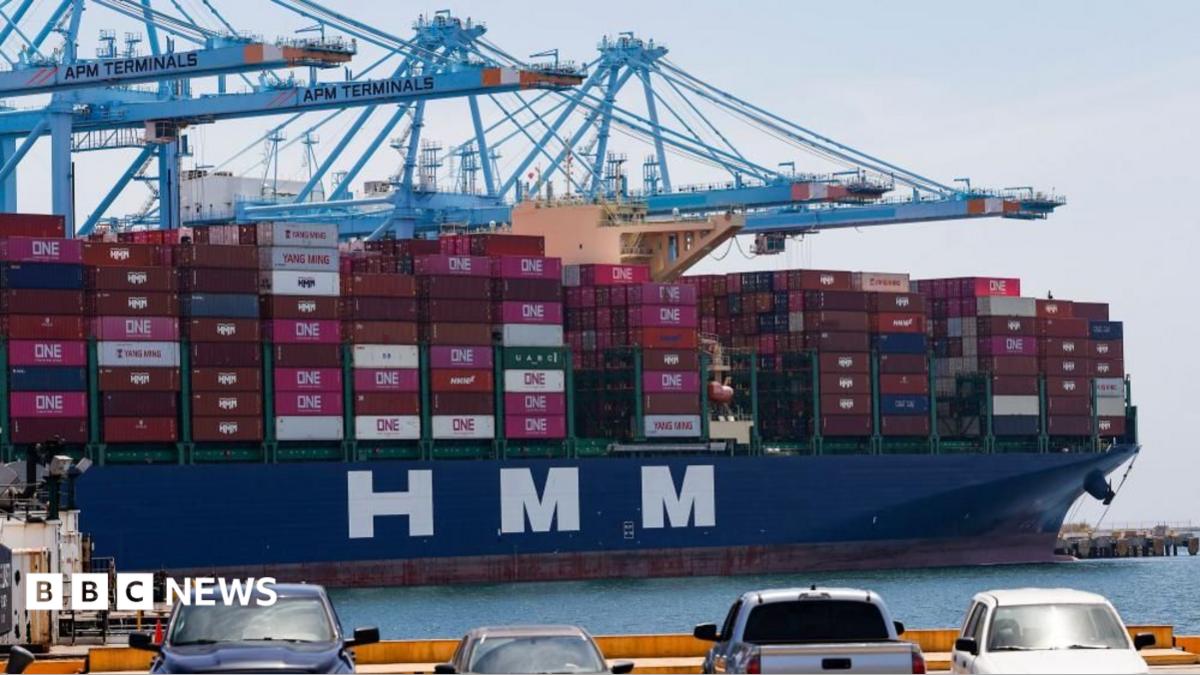
Cover image from bbc.co.uk, which was analyzed for this article
Twenty-five states filed suit against the Trump administration's new Section 301 tariffs impacting dozens of countries, arguing they exceed executive authority.
PoliticalOS
Tuesday, August 4, 2026 — Politics
The lawsuit tests whether Section 301 can support broad tariffs justified by forced-labor concerns after prior statutory routes were blocked by the Supreme Court. The outcome will determine if the administration can sustain these duties or must refund importers and revise its approach.
What outlets missed
All three accounts omit the USTR’s July 23 Federal Register notice that contained economy-specific findings on forced-labor enforcement failures. None reports the Court of International Trade’s separate ruling striking down the Section 122 tariffs or the status of its appeal. The articles also leave unexamined the statutory definition of “unreasonable” practices under Section 301 and how the administration’s two-month timeline compares with historical precedents beyond the China example.
Twenty-Five States Challenge Trump Tariffs in Federal Court
A coalition of 25 states filed suit Monday in the U.S. Court of International Trade, arguing that the Trump administration's new tariffs on imports from 59 countries and the European Union rest on a thin legal foundation and amount to an effort to restore duties the Supreme Court rejected earlier this year. The tariffs, set at 10 percent or 12.5 percent, took effect in late July and cover nearly all U.S. imports.
New York Attorney General Letitia James, who led the filing alongside Governor Kathy Hochul, described the move as an attempt to impose taxes that the court had already blocked. The states contend that the administration invoked Section 301 of the 1974 Trade Act to address forced labor but did so without the required investigations, consultations, or explanations of how the duties would change foreign practices. They point to the rapid timeline—roughly two and a half months for 60 economies—as evidence that the labor rationale served mainly as a vehicle to maintain revenue after the earlier tariffs expired.
Those earlier duties, imposed under the International Emergency Economic Powers Act, were struck down by the Supreme Court in February. The administration responded by shifting to Section 301, a statute previously used against China during Trump's first term after an eight-month review focused on a single country. In this round, officials completed reviews for dozens of trading partners in far less time and applied uniform rates without country-by-country analysis of forced-labor risks. The states argue this approach violates the procedural steps laid out in the statute and runs afoul of the Administrative Procedure Act.
White House officials have defended the tariffs as a lawful response to trading partners that allow goods made with forced labor into global supply chains. They note that Section 301 survived earlier legal challenges and say the duties target unreasonable foreign practices that harm American businesses. The Office of the U.S. Trade Representative has stated that the measures apply to 99.4 percent of imports, underscoring their broad scope.
The lawsuit arrives amid ongoing debate over how trade policy affects domestic manufacturing and consumer prices. Trump has long argued that higher tariffs can encourage companies to shift production to the United States. Critics, including the states bringing the case, counter that broad duties function as a tax increase on imported inputs used by American firms, raising costs without clear evidence that they reduce forced labor abroad. The complaint highlights internal administration statements suggesting continuity with the prior tariff regime as further indication that the forced-labor justification was secondary to revenue goals.
Legal observers note that the Court of International Trade has handled similar challenges before, including disputes over the China tariffs from the first term. Outcomes there have sometimes turned on whether agencies followed statutory procedures rather than on the underlying policy merits. The current case tests whether the same deference applies when the factual record shows abbreviated reviews and simultaneous expiration of another tariff authority.
If the court sides with the states, it could order the tariffs halted and duties already collected returned. The administration would likely appeal, setting up another round of litigation over executive power in trade matters. For now, importers face continued uncertainty about costs while the case proceeds.
You just read Liberal's take. Want to read what actually happened?
More in Politics
Democrats Flip Senate, Expand House Majority in Midterms
Democrats flipped the Senate and expanded their House majority in a major rebuke to President Trump and Republicans. Key victories included multiple Senate seats and state-level wins that ended long-standing GOP dominance in places like Texas.
GOP Losses Spur Blame, Vance Distancing, 2028 Maneuvers
Republicans are pointing fingers internally after heavy losses, with Vice President JD Vance distancing himself from Trump over the Iran war and positioning for a potential 2028 run. Challengers within the party are already sensing opportunity.
Democrats Take House and Senate Amid Record Midterm Turnout
Democrats achieved decisive gains in the 2026 midterms, flipping seats to take control of both chambers. Coverage highlights historic turnout and implications for the Trump administration.
Democrats Take House and Senate, Constraining Trump
Democrats flipped both the House and Senate in a major rebuke to President Trump and Republicans. The results create divided government and set up battles over spending, oversight, and foreign policy for the remainder of Trump's term.
The Compass
You just read five takes on one story.
What's your take? Find your political shape in a few minutes.
Take the test