
Gas Prices Top $4 Nationwide as Iran Tensions Hit Markets and Businesses
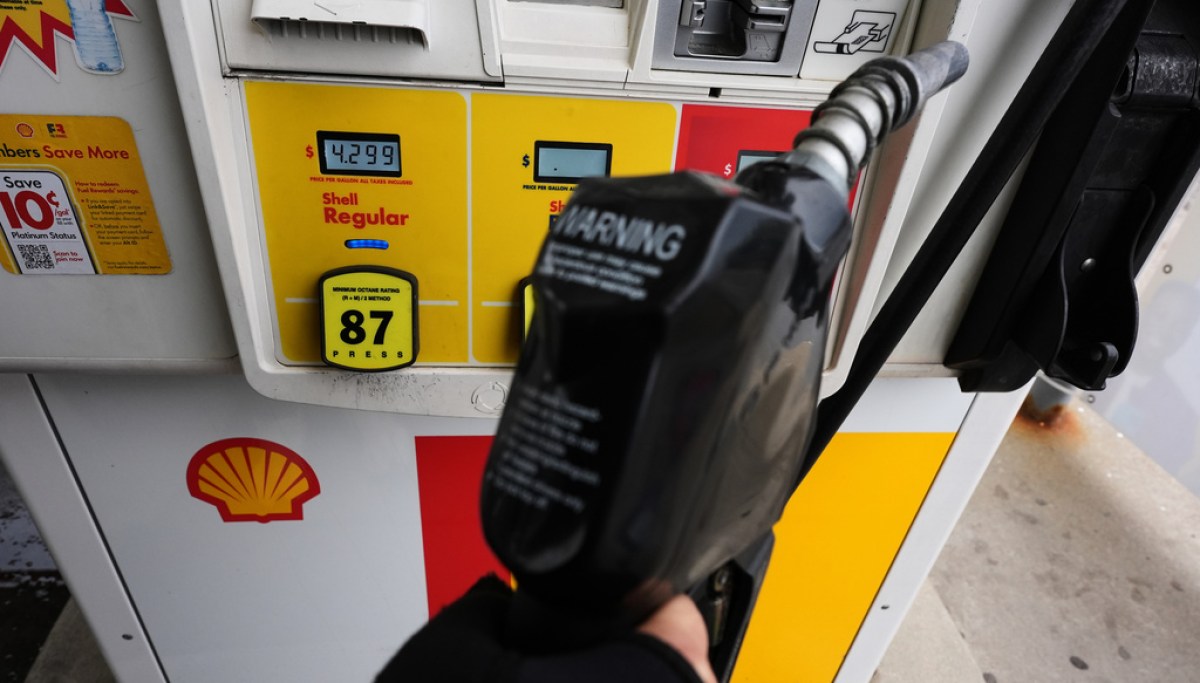
Cover image from washingtonexaminer.com, which was analyzed for this article
US stocks and bonds declined amid inflation worries and Middle East tensions, with gas prices topping $4 per gallon nationwide. Consumer confidence showed only modest gains despite the pressures.
PoliticalOS
Wednesday, May 20, 2026 — Business
Gasoline prices above $4 in every state are adding measurable costs to businesses and households while markets price in higher inflation risks. Multiple supply and policy influences are at work, yet the relative contribution of the Iran conflict versus other factors remains unquantified in most accounts. Readers should track both daily pump data and forthcoming EIA or Bank of America Institute releases for clearer attribution.
What outlets missed
Most reports omitted post-ceasefire oil futures movements near $99 per barrel and the brief price reversal that followed an April lull before the latest climb. Few pieces supplied the full Bank of America Institute breakdown of labor, sales, and inflation factors behind the 1.3 percent profit drop, leaving the gasoline share unquantified. Broader market reactions in equities and bonds received little direct coverage despite the topic summary, and state-level policy responses such as potential regulatory relief were mentioned only in passing.
Rising fuel costs tied to Middle East conflict are adding pressure on household budgets and corporate margins at a moment when broader economic signals remain mixed. US stocks and bonds fell as investors weighed higher inflation risks against ongoing consumer resilience. The national average for regular gasoline reached $4.56 a gallon this week, according to AAA data cited across multiple reports, marking a 43 to 53 percent increase from year-earlier levels depending on the exact comparison date.
The surge follows the closure of the Strait of Hormuz after the start of hostilities with Iran in late February. Small-business profitability dropped 1.3 percent in April, the steepest decline in two years, according to the Bank of America Institute. That report also noted small businesses spent 31 percent more on gasoline than a year earlier while sales growth slowed despite stronger overall consumer spending. Labor costs and inflation concerns appear alongside energy prices in the same data set.
Regional differences remain sharp. California averaged $6.15 per gallon while Georgia posted the lowest state average at $4.01, AAA figures show. No state remains below $4. GasBuddy analyst Patrick De Haan warned the national average could exceed $5.03 if the shipping lane stays blocked into summer. Consumer confidence posted only modest gains amid these crosscurrents.
Target reported first-quarter results that beat analyst estimates, with same-store sales rising 5.6 percent and net sales up more than 6 percent year over year. The retailer raised its full-year revenue outlook but cited macroeconomic uncertainty, including elevated fuel prices, as a continuing headwind. Shares edged higher in premarket trading after the release.
Democratic lawmakers have attributed the price spike primarily to the decision to engage in the conflict, while administration officials have pointed to supply disruptions beyond direct policy control. Futures markets and refinery data from the Energy Information Administration show additional influences that some coverage has not quantified.
More in Business & Economy

Major Banks Deliver Mixed Q3 Results on Trading Beats
JPMorgan, Goldman Sachs, Citigroup, and Wells Fargo reported Q3 figures, with revenue beats in trading but some estimate misses. CNBC provided live updates on the results and market reactions.

Oil Falls on Russian Diesel Outlook Despite Geopolitical Risks
Dow futures rose while Nasdaq faced pressure from tech weakness and elevated oil after geopolitical spikes. CNBC tracked premarket moves tied to earnings and Fed speeches.

Hall and Woodford Win Economics Nobel for Stabilization Models
American economists Robert E. Hall and Michael Woodford won the Nobel memorial prize for their research on managing economies through booms and busts, informing central bank policies on inflation and unemployment.

Skydance Closes Paramount-Warner Bros. Discovery Deal
The long-delayed media mega-merger cleared hurdles and began operations under Skydance, consolidating Hollywood power. Center and center-left outlets track the regulatory and business milestones.
The Compass
You just read five takes on one story.
What's your take? Find your political shape in a few minutes.
Take the test