
Supreme Court Clears Alabama GOP Map With One Black-Majority District
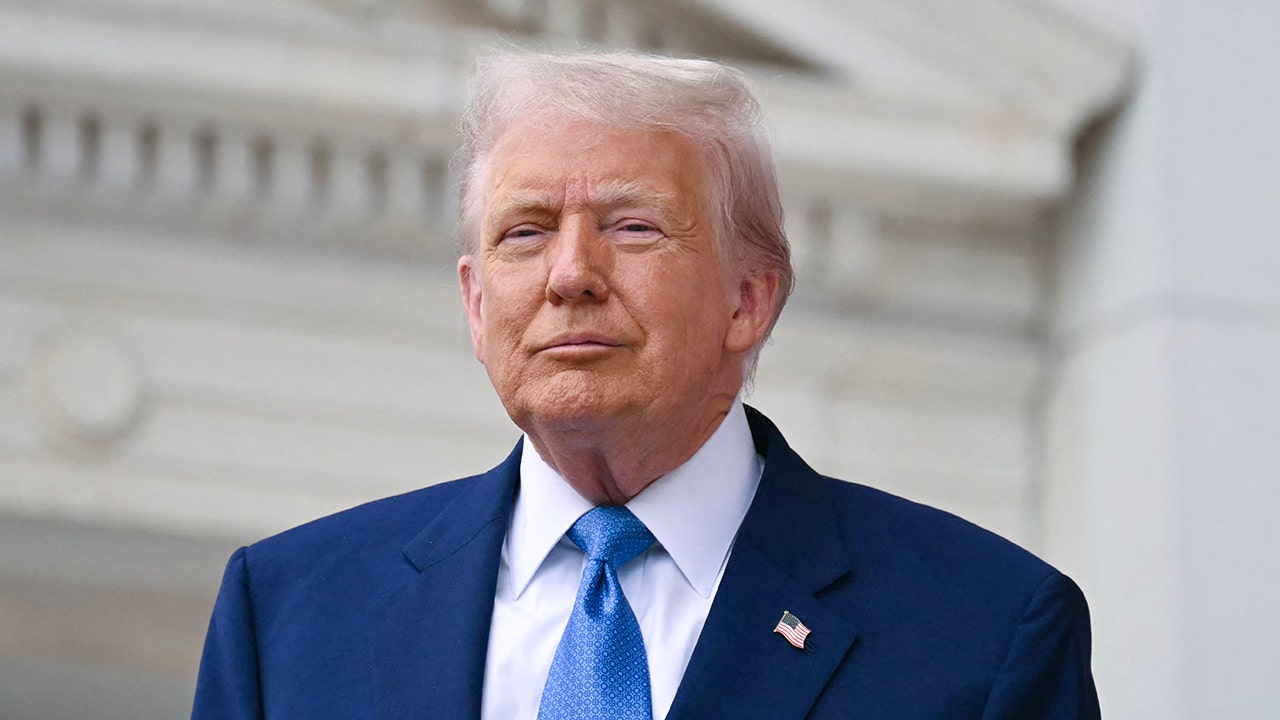
Cover image from foxnews.com, which was analyzed for this article
The Court allowed a Republican-drawn map with only one majority-Black district, narrowing Voting Rights Act precedents ahead of midterms. Black voting power faces reduction in the state.
PoliticalOS
Wednesday, June 3, 2026 — Politics
The Court applied its recent narrowing of Voting Rights Act remedies to let Alabama’s legislature-drawn map stand for the midterms, leaving the ultimate constitutionality of the single majority-Black district for further lower-court proceedings under the new precedent.
What outlets missed
Most coverage omitted the per curiam opinion’s explicit reliance on the presumption of legislative good faith and its direct citation to Alexander and Abbott. Few explained that the district court’s intentional-discrimination finding rested in part on Alabama’s decision not to comply with a remedial order the Supreme Court had already vacated. The procedural posture—an emergency application decided without full briefing or argument—was also under-emphasized relative to the substantive Voting Rights Act implications.
The Supreme Court’s 6-3 emergency order lets Alabama use its 2023 congressional map for August special primaries and the November midterms, restoring a plan that creates only one district where Black residents form a majority. The decision narrows the reach of Section 2 of the Voting Rights Act after the Court’s recent ruling in Louisiana v. Callais and returns the case to a three-judge panel for further review under that precedent.
Alabama’s 2023 map, drawn by the Republican legislature, was blocked after the district court found it intentionally diluted Black voting strength in a state where Black residents make up roughly 27 percent of the population. A court-drawn alternative used in 2024 produced two districts with Black majorities or near-majorities and elected two Black Democrats. The Supreme Court vacated the injunction blocking the state map, citing the presumption of legislative good faith established in Alexander v. South Carolina State Conference of the NAACP and Abbott v. Perez.
The unsigned majority opinion stated that the district court “did not heed the presumption of legislative good faith” when it treated Alabama’s refusal to follow a vacated remedial order as proof of discriminatory intent. Justice Sonia Sotomayor dissented, writing that the order produces “a chaotic election, held under a never-before-used congressional map that intentionally discriminates against Black Alabamians.”
Governor Kay Ivey said the ruling confirms that “Alabama knows our state, our people and our districts best” and scheduled the August 11 primaries under the restored map. Voting-rights groups, including the NAACP Legal Defense Fund and the ACLU, said the decision permits deliberate dilution of Black voting power and pledged continued litigation. The map gives Republicans a realistic path to gain one additional House seat currently held by a Black Democrat.
More in Politics

Trump at 32% Approval as Gas Prices Test GOP Midterm Hopes
NYT/Siena polling showed Trump's approval at historic lows around 32 percent with Democrats leading by double digits in key districts. Early voting has surged in battleground states.

Record Early Voting Hits Battlegrounds, Shifting Partisan Shares
AP analysis found hundreds of thousands more early ballots than in 2022 in states including Texas, Ohio, Kansas, Maine, and North Carolina, shifting partisan dynamics.

Trump Backs Marshall in Kansas Senate Race Tightened by Farm Costs
President Trump rallied in deep-red Kansas for GOP Sen. Roger Marshall in a competitive race, announcing an $8 billion farm fuel relief program amid high diesel prices. Democrats see an opening to end 94 years of GOP dominance in the state.

Trump Pauses Russia Sanctions Amid Ukraine Tensions and Missile Strikes
Trump waived sanctions on Russia and floated trilateral talks with Putin and Xi as part of ending the Ukraine war, while tensions rose with Zelenskyy over Starlink and arms. Bipartisan senators engaged Zelenskyy amid the shifts.
The Compass
You just read five takes on one story.
What's your take? Find your political shape in a few minutes.
Take the test