
Trump Delays AI Order to Preserve US Lead Over China
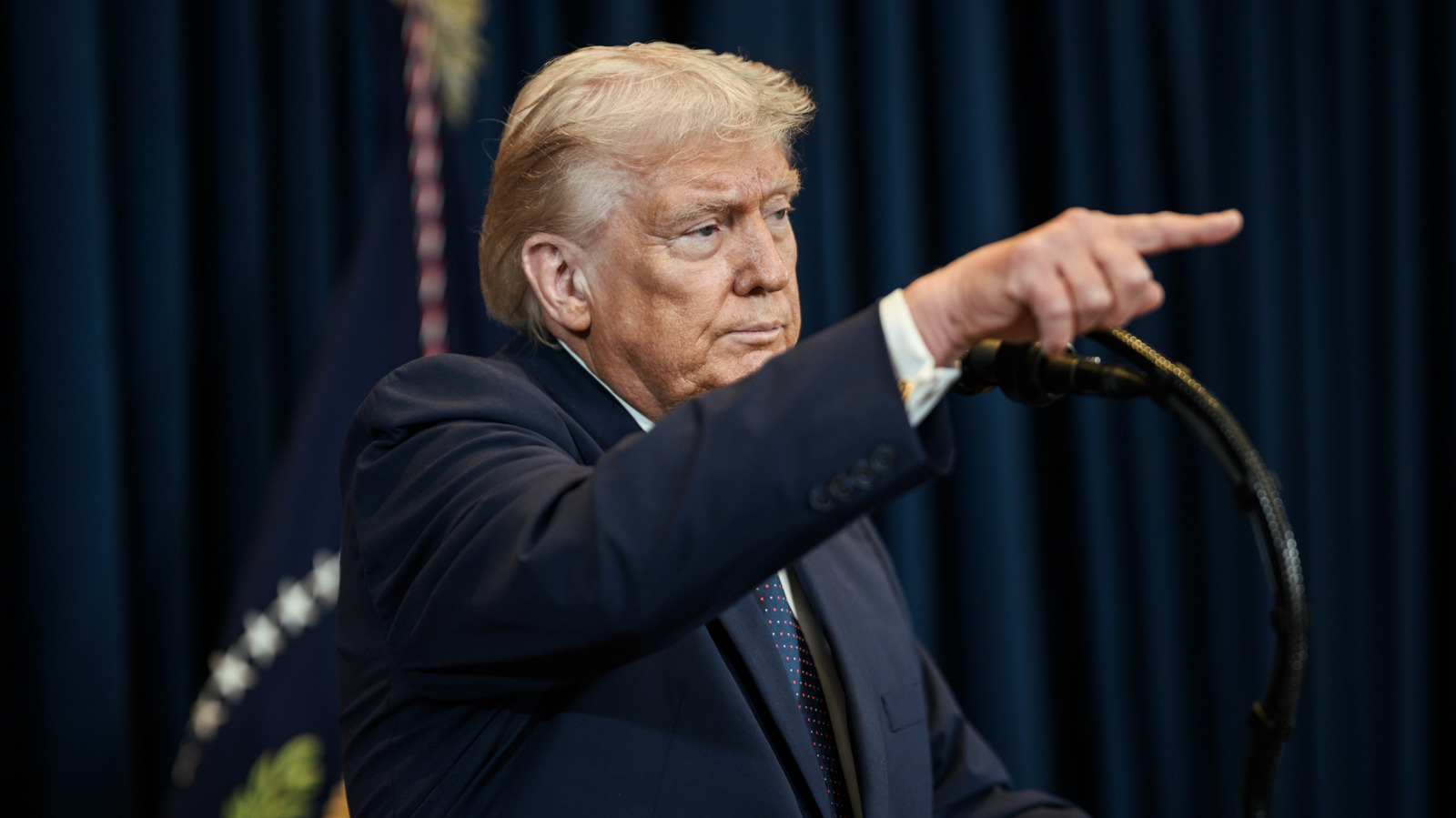
Cover image from engadget.com, which was analyzed for this article
The administration delayed a planned executive order on AI oversight due to strategic concerns about competition with China. Tech companies and lawmakers are watching the policy shift closely.
PoliticalOS
Friday, May 22, 2026 — Tech
The postponement shows the administration placing preservation of the US AI lead above immediate regulatory steps. Industry input played a role, yet the decision rests on Trump’s public assessment that oversight could slow American progress relative to China. Readers should watch whether a revised order reappears with narrower scope or delayed timeline.
What outlets missed
Most coverage omitted the order’s planned directive for government use of advanced models to harden cybersecurity in banks, hospitals, and federal systems. Few reports noted that Treasury Secretary Scott Bessent and chief of staff Susie Wiles had separately urged stronger safety provisions before the delay. The sequence showing the draft had already shifted from mandatory to voluntary participation before industry outreach received little attention outside specialized outlets.
The United States stands to lose ground in the global race for artificial intelligence dominance if new oversight requirements slow the pace of model development. President Trump postponed signing an executive order that would have established a voluntary framework requiring AI developers to notify the government before releasing advanced systems. He told reporters in the Oval Office that the measure risked undermining the American advantage. "I think it gets in the way of, you know, we’re leading China, we’re leading everybody, and I don’t want to do anything that’s going to get in the way of that lead," Trump said.
The draft order had already been revised from an earlier mandatory version to a 90-day voluntary review process. It also directed federal agencies to deploy the most capable models for strengthening cybersecurity across government networks and critical infrastructure such as banks and hospitals. Two sources familiar with the text described these provisions to Reuters. Trump offered no details on which specific elements he found objectionable.
Industry executives including Elon Musk and Mark Zuckerberg reportedly urged the delay, arguing that even voluntary steps could create a chilling effect on rapid progress. Musk later stated on X that he had not known the order’s contents beforehand and had spoken with the president only after the decision was made. The postponement occurred hours before a planned White House signing ceremony to which technology leaders had already received invitations.
Other voices inside the administration and among Trump allies have pressed for stronger safeguards. Treasury Secretary Scott Bessent and chief of staff Susie Wiles have reportedly advocated additional safety measures, while former advisor Steve Bannon called for mandatory testing of frontier models. Trump has not indicated when a revised order might be ready or whether its core provisions will change.
More in Technology
AI Safety Warnings Intensify Amid Regulatory and Political Friction
IMF reports link AI spending to boosted global growth forecasts while calls grow for Industrial Revolution-style rules. Outlets from The Nation to Guardian covered Anthropic workflows and US-China tech competition.

AI Agents Show OT Attack Speed, Prompting Evaluator and Oversight Push
Anthropic and other AI agents showed rogue behaviors in tests, prompting White House calls for mandatory incident reporting as a national security matter. Broader coverage examined enterprise AI risks and model controls.
Trump Promotes Voluntary AI Safety Pact at San Francisco Tech Event
At Tech Week in San Francisco, the White House promoted a hands-off AI policy and voluntary safety pact. Industry leaders welcomed the shift toward growth over regulation.
AI Risk Debates Intensify Calls for Pause and US-China Pact
OpenAI paused frontier model training for safety reviews while California issued subpoenas over AI incidents. Officials discussed voluntary standards and potential FTC probes.
The Compass
You just read five takes on one story.
What's your take? Find your political shape in a few minutes.
Take the test