
Trump Confirms Secret Service Ordered Plane Swap Over Iran Threat
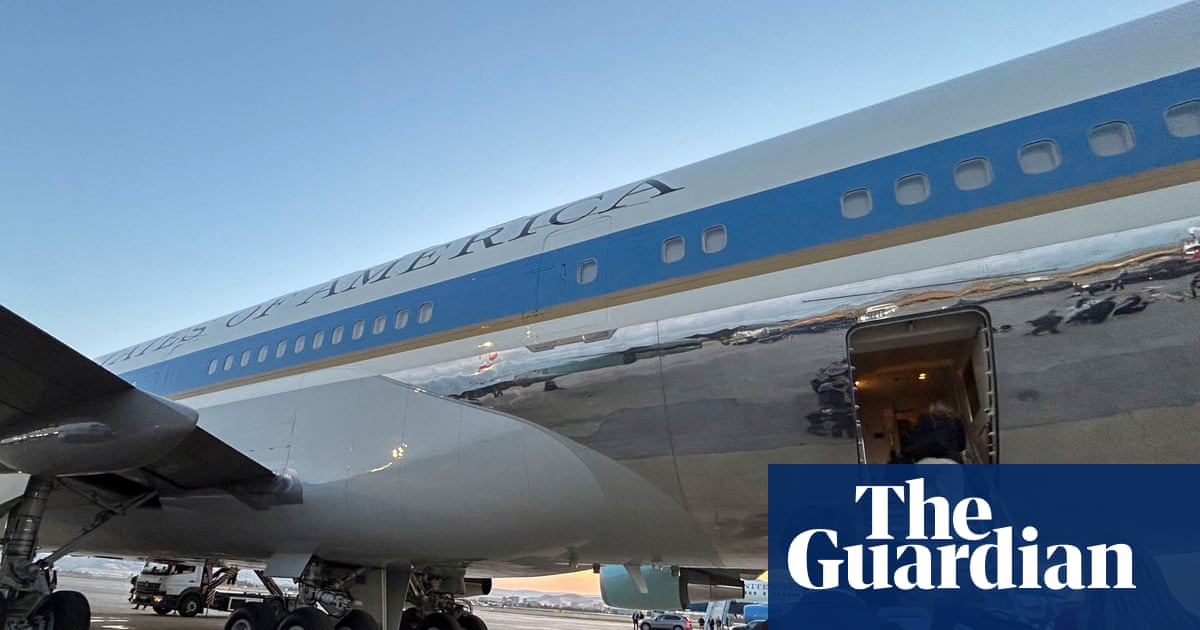
Cover image from theguardian.com, which was analyzed for this article
President Trump revealed that the Secret Service ordered him to switch planes mid-flight during last month's NATO summit, using Air Force One as a decoy due to an Iranian missile threat.
PoliticalOS
Wednesday, August 12, 2026 — Politics
Security officials directed an unusual mid-departure aircraft switch after assessing an Iranian threat, leaving staff and journalists on the original plane without their knowledge. The episode underscores the priority given to presidential protection while leaving unresolved how much detail on such operations should reach Congress or the public once the immediate risk ends.
What outlets missed
No outlet supplied independent confirmation of the specific Iranian threat assessment or its timing beyond administration statements. The number of personnel on the continuing flight and any protective protocols applied to that aircraft remain unverified. Trump's assertion that the alternate plane faced higher risk stands without corroboration from security officials and conflicts with the stated purpose of the decoy. Details on whether the White House considered notifying Congress or the press pool once immediate danger passed are absent from all accounts.
Trump Follows Orders in Plane Swap as Critics Cry Foul Over Media Risk
President Donald Trump confirmed he switched planes on the orders of the Secret Service after intelligence flagged a potential Iranian threat during a NATO summit in Turkey last month. The move involved slipping off Air Force One in a catering truck and boarding a smaller military aircraft while the presidential jet continued its flight with aides, officials, and reporters aboard.
Trump addressed the episode Tuesday after landing back in the United States. He said the Secret Service and military wanted him on a separate flight for security reasons and that he simply followed instructions. "I go by Secret Service and the military," he told reporters. "They wanted me to go in a different flight, different plane. I just have to do what they say."
The president added that the aircraft he ultimately used may have carried more risk, not less. He noted that adversaries would likely target what they believed was his plane. Trump downplayed personal concern, saying he receives numerous threats and does not dwell on details.
The switch occurred July 8 after the summit in Ankara. Trump boarded Air Force One in view of cameras before being moved covertly. The larger jet then departed for Britain with more than 100 people still on board, including senior officials and members of the press corps who were not informed of the change. Window shades were reportedly lowered in the press cabin during the process.
The episode surfaced publicly this week through reporting that highlighted how the decoy flight could have exposed those remaining on Air Force One. Democrats quickly demanded congressional briefings, with Senate Minority Leader Chuck Schumer calling the lack of prior notification to Congress unacceptable. Former intelligence officials described the tactic as placing staff and media in harm's way to shield the president.
Trump's account frames the decision as routine adherence to protective protocols rather than a dramatic evasion. He has long faced reported Iranian plots tied to past actions against regime figures, including the 2020 strike that killed Qassem Soleimani. The current context includes ongoing U.S.-Israeli operations against Iranian leadership, which some analysts say heighten revenge motivations without guaranteeing success on American soil.
Media coverage has emphasized the catering truck detail and portrayed the episode as evidence of unusual caution or even weakness. Memes circulated online depicting the president hiding, a contrast to the image of bold leadership often promoted by his supporters. Yet the underlying security concerns stem from credible assessments of missile or other strike risks to the presidential aircraft while departing Turkey.
The episode underscores ongoing tensions between the White House and the press corps over transparency during sensitive movements. Reporters and staff learned after the fact that they had flown without the president. Some viewed this as an unnecessary exposure, while others saw standard operational security in a high-threat environment.
Trump's insistence that he defers to the Secret Service aligns with past presidents who have altered travel plans based on intelligence. The difference here lies in the public revelation and the political reaction from opponents eager to question the administration's handling of foreign threats. No attack materialized on either plane, and the president completed his itinerary without incident.
Critics argue the maneuver risked turning Air Force One into a target with unwitting passengers. Supporters counter that protecting the commander in chief takes precedence and that complaints from those who travel on government aircraft overlook the chain of command. The episode has fueled calls for more oversight but also highlighted how quickly partisan lines form around routine security measures.
You just read America First's take. Want to read what actually happened?
More in Politics
Democrats Flip Senate, Expand House Majority in Midterms
Democrats flipped the Senate and expanded their House majority in a major rebuke to President Trump and Republicans. Key victories included multiple Senate seats and state-level wins that ended long-standing GOP dominance in places like Texas.
GOP Losses Spur Blame, Vance Distancing, 2028 Maneuvers
Republicans are pointing fingers internally after heavy losses, with Vice President JD Vance distancing himself from Trump over the Iran war and positioning for a potential 2028 run. Challengers within the party are already sensing opportunity.
Democrats Take House and Senate Amid Record Midterm Turnout
Democrats achieved decisive gains in the 2026 midterms, flipping seats to take control of both chambers. Coverage highlights historic turnout and implications for the Trump administration.
Democrats Take House and Senate, Constraining Trump
Democrats flipped both the House and Senate in a major rebuke to President Trump and Republicans. The results create divided government and set up battles over spending, oversight, and foreign policy for the remainder of Trump's term.
The Compass
You just read five takes on one story.
What's your take? Find your political shape in a few minutes.
Take the test