
Trump at 32% Approval as Gas Prices Test GOP Midterm Hopes
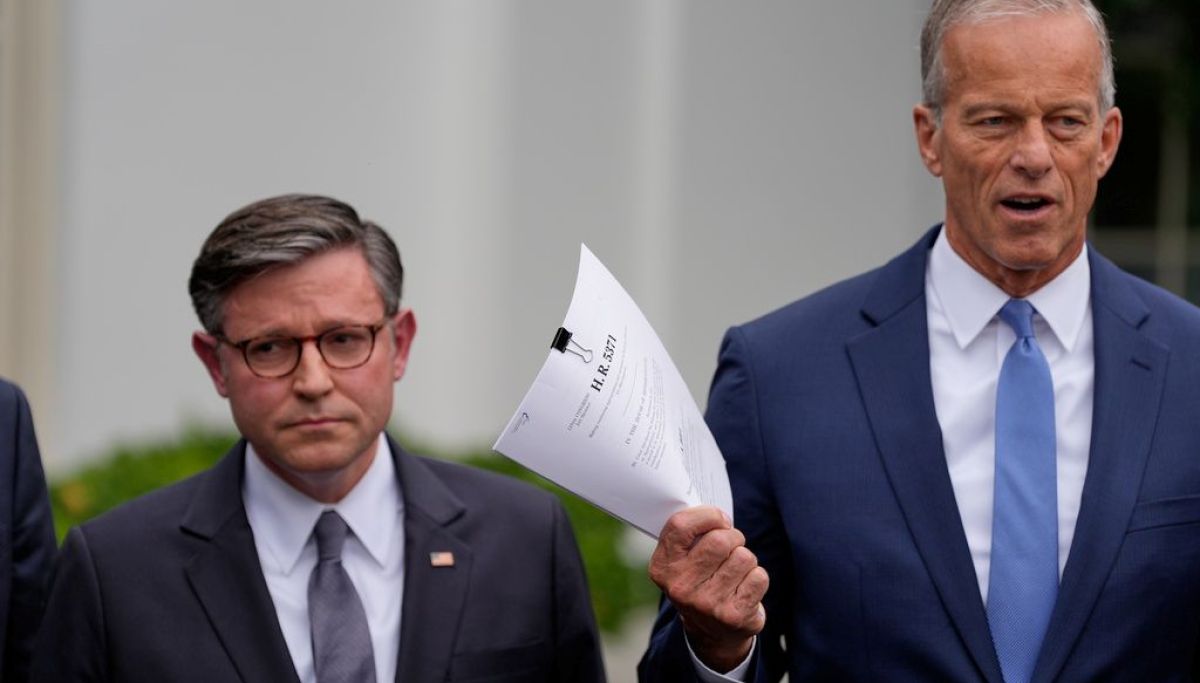
Cover image from washingtonexaminer.com, which was analyzed for this article
NYT/Siena polling showed Trump's approval at historic lows around 32 percent with Democrats leading by double digits in key districts. Early voting has surged in battleground states.
PoliticalOS
Thursday, October 22, 2026 — Politics
Elevated diesel and gasoline prices are creating measurable pressure on voters and farmers two weeks before the midterms. National polling shows Trump's approval at a historic low with Democrats ahead in key races, yet local Republican loyalty persists in some rural areas. The outcome hinges on whether economic strain outweighs party-line concerns about congressional control.
What outlets missed
The national NYT/Siena approval rating of 32 percent and double-digit Democratic leads in key districts received no direct coverage. Early voting surges in battleground states were omitted entirely. No outlet compared current Iowa farm bankruptcy rates or income figures to 2020-2024 baselines, leaving the scale of the reported downturn unmeasured. Geopolitical timelines for the Iran conflict and Hormuz closure lacked specific dates or prior policy context across all pieces.
High Gas Prices Hit Working Families Hard Ahead of Midterms
Gas prices remain stubbornly elevated with less than two weeks until the midterms, leaving voters across the country to absorb the costs in their daily lives. National averages stand at $4.29 a gallon for gasoline and $6.30 for diesel, figures that have climbed sharply from a year earlier and show little sign of meaningful relief before Election Day.
In Perrysburg, Ohio, Sharie Smith fills her Chevy Malibu every 10 days at a Speedway station. What once cost her $30 to $40 now runs $50 to $60. She described cutting back on her children's extracurricular activities and feeling the pinch alongside rising grocery bills. "I don't even have a big car," she said. "I feel bad for those people with big cars, like trucks." Similar complaints echo in rural Iowa, where farmers report diesel prices nearly doubling earlier this year amid ongoing conflicts abroad.
Kelly Nieuwenhuis, who operates a 3,000-acre farm in Primghar, spent $16,000 this fall just to top off his fuel tanks. Fertilizer costs have also climbed, while sales of corn and soybeans face pressure from trade disputes with China, Canada and Mexico. Nieuwenhuis, a registered Republican who supported Donald Trump in prior elections, plans to split his ticket this cycle by backing a Democrat for governor. "Every election it comes down to the economy," he said. "This policy is not working. The Iran war, all the energy costs, the inflation—everything has gone up in price drastically."
Trump has highlighted recent diesel cost-saving measures, yet energy analysts note that any benefits will not reach pumps in time to influence voters on November 3. A recent Politico survey found that even a hypothetical $1 drop in gasoline prices would fail to sway most respondents toward Republican candidates. The economic strain extends beyond fuel, with elevated interest rates and tariff uncertainties adding to the burden on households and small businesses alike.
In Kansas, attendees at a Trump rally voiced their frustrations but placed greater emphasis on preventing Democratic majorities in Congress. Many described the risk of unchecked progressive policies turning the country into something resembling the unrest seen in European cities. Iowa's status as a reliably Republican state now appears more fluid, with economic crosscurrents testing voter loyalty in key races.
The pattern reflects broader policy choices that prioritize foreign entanglements and regulatory frameworks over domestic energy production. Voters in affected regions continue to weigh these realities as they head to the polls, with little optimism that short-term announcements will offset the accumulated damage to family budgets and farm operations.
You just read America First's take. Want to read what actually happened?
More in Politics
Democrats Flip Senate, Expand House Majority in Midterms
Democrats flipped the Senate and expanded their House majority in a major rebuke to President Trump and Republicans. Key victories included multiple Senate seats and state-level wins that ended long-standing GOP dominance in places like Texas.
GOP Losses Spur Blame, Vance Distancing, 2028 Maneuvers
Republicans are pointing fingers internally after heavy losses, with Vice President JD Vance distancing himself from Trump over the Iran war and positioning for a potential 2028 run. Challengers within the party are already sensing opportunity.
Democrats Take House and Senate Amid Record Midterm Turnout
Democrats achieved decisive gains in the 2026 midterms, flipping seats to take control of both chambers. Coverage highlights historic turnout and implications for the Trump administration.
Democrats Take House and Senate, Constraining Trump
Democrats flipped both the House and Senate in a major rebuke to President Trump and Republicans. The results create divided government and set up battles over spending, oversight, and foreign policy for the remainder of Trump's term.
The Compass
You just read five takes on one story.
What's your take? Find your political shape in a few minutes.
Take the test