
Trump at 32% Approval as Gas Prices Test GOP Midterm Hopes
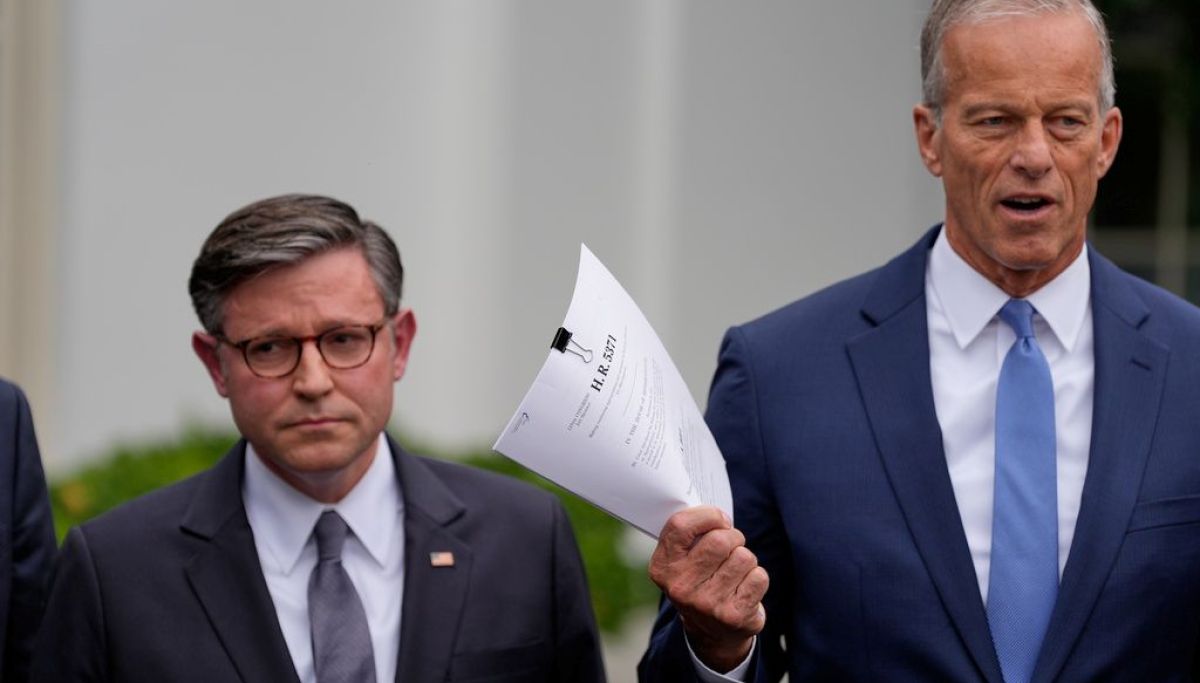
Cover image from washingtonexaminer.com, which was analyzed for this article
NYT/Siena polling showed Trump's approval at historic lows around 32 percent with Democrats leading by double digits in key districts. Early voting has surged in battleground states.
PoliticalOS
Thursday, October 22, 2026 — Politics
Elevated diesel and gasoline prices are creating measurable pressure on voters and farmers two weeks before the midterms. National polling shows Trump's approval at a historic low with Democrats ahead in key races, yet local Republican loyalty persists in some rural areas. The outcome hinges on whether economic strain outweighs party-line concerns about congressional control.
What outlets missed
The national NYT/Siena approval rating of 32 percent and double-digit Democratic leads in key districts received no direct coverage. Early voting surges in battleground states were omitted entirely. No outlet compared current Iowa farm bankruptcy rates or income figures to 2020-2024 baselines, leaving the scale of the reported downturn unmeasured. Geopolitical timelines for the Iran conflict and Hormuz closure lacked specific dates or prior policy context across all pieces.
Economic Pressures Weigh on Voters Ahead of Midterms
High fuel costs continue to shape voter sentiment two weeks before the midterm elections, with national averages for gasoline reaching $4.29 a gallon and diesel at $6.30, according to AAA data. These figures represent increases of more than $1.25 for gas and nearly 75 percent for diesel compared with 2025 levels, even as prices have eased slightly in recent weeks. The changes arrive amid broader economic strains, including elevated interest rates and trade uncertainties, that are rippling through key states.
In Iowa, farmers report sharp rises in operating expenses tied to diesel prices that have nearly doubled since earlier this year. Kelly Nieuwenhuis, who manages a 3,000-acre farm in Primghar, spent $16,000 to refill his equipment tanks this fall. Fertilizer costs have also climbed amid the ongoing effects of conflicts involving Iran, Russia and Ukraine. Nieuwenhuis, a registered Republican who supported Donald Trump in 2016 and 2020 but not in 2024, plans to back Democratic candidate Rob Sand for governor while supporting Republican Ashley Hinson for Senate. He cited the economy as the decisive factor, noting that sales of corn and soybeans have suffered from trade disputes with China, Canada and Mexico.
Similar complaints surface among everyday drivers. In Perrysburg, Ohio, Sharie Smith described how filling her Chevy Malibu now costs $50 to $60 every 10 days, up from $30 to $40 previously. The increases force cuts to household budgets, including children's extracurricular activities, and compound the effects of higher grocery prices. Polling from Politico in early October indicated that even a hypothetical $1 reduction in gas prices would not shift most voters toward Republican candidates.
The Trump administration has highlighted recent diesel cost agreements and repeated pledges to lower energy prices. Energy analysts, however, state that meaningful relief will not materialize before November 3. National averages remain substantially above prior-year levels, and the timing limits any immediate electoral benefit. In rural areas, these costs intersect with policy choices on trade and energy that have produced mixed results for producers.
Voter concerns extend beyond prices alone. At a Trump rally in Wichita, Kansas, attendees expressed alarm over the possibility of Democratic control of Congress, citing risks to the president's agenda and broader stability. The Senate race between Republican Roger Marshall and Democrat Adam Hamilton has tightened into a toss-up, prompting additional Republican spending in a state long considered safe. A separate development involving a polling firm called Wedgewood, which admitted fabricating results in key races as part of a claimed social experiment, has added uncertainty to surveys already facing scrutiny.
Iowa's economic contraction in 2025 illustrates how these factors compound. High diesel expenses, interest rates and tariff-related volatility have reduced farm incomes and local activity in a state that has leaned Republican in recent cycles. Some voters appear willing to split tickets rather than deliver unified support, reflecting frustration with specific policies even among those who previously backed Trump. Turnout in these conditions will depend on whether price trends stabilize or whether competing priorities such as institutional control dominate voter calculations.
You just read Liberal's take. Want to read what actually happened?
More in Politics
Democrats Flip Senate, Expand House Majority in Midterms
Democrats flipped the Senate and expanded their House majority in a major rebuke to President Trump and Republicans. Key victories included multiple Senate seats and state-level wins that ended long-standing GOP dominance in places like Texas.
GOP Losses Spur Blame, Vance Distancing, 2028 Maneuvers
Republicans are pointing fingers internally after heavy losses, with Vice President JD Vance distancing himself from Trump over the Iran war and positioning for a potential 2028 run. Challengers within the party are already sensing opportunity.
Democrats Take House and Senate Amid Record Midterm Turnout
Democrats achieved decisive gains in the 2026 midterms, flipping seats to take control of both chambers. Coverage highlights historic turnout and implications for the Trump administration.
Democrats Take House and Senate, Constraining Trump
Democrats flipped both the House and Senate in a major rebuke to President Trump and Republicans. The results create divided government and set up battles over spending, oversight, and foreign policy for the remainder of Trump's term.
The Compass
You just read five takes on one story.
What's your take? Find your political shape in a few minutes.
Take the test