
Trump Names Adam Telle Acting Army Secretary
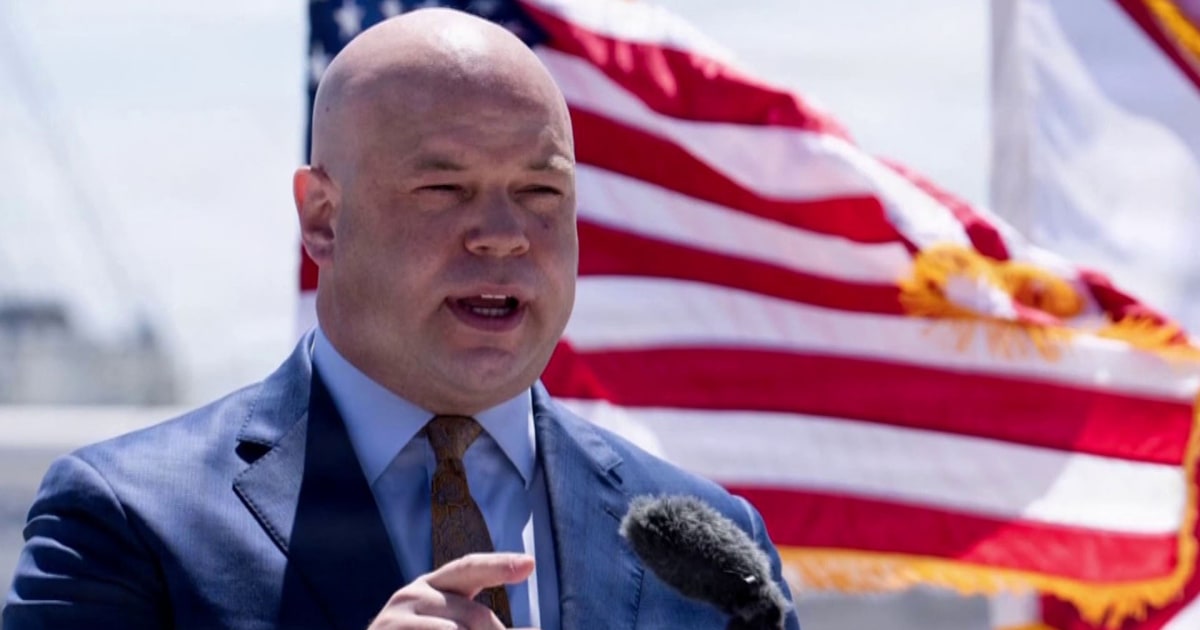
Cover image from today.com, which was analyzed for this article
Telle named acting secretary after Dan Driscoll resignation amid Defense Department leadership tensions.
PoliticalOS
Friday, September 4, 2026 — Politics
The Army's acting leadership change reflects continued turnover at the Pentagon under Defense Secretary Hegseth. Public statements from Trump, Driscoll and Republican senators provide the primary record of the move and surrounding tensions.
What outlets missed
Neither outlet provided biographical details on Telle beyond his most recent title or explained the scope of an acting secretary's authority during a transition. Coverage did not address how the Army's ongoing operations or budget processes might be affected by the leadership change. The broader context of Hegseth's overhaul, including the specific number of senior departures and the policy disputes involved, received limited examination beyond brief references.
Trump Names Adam Telle Acting Army Secretary
President Donald Trump has named Adam Telle acting secretary of the Army, filling the post immediately after the departure of Dan Driscoll. Telle previously served as assistant secretary of the Army for Civil Works, a role focused on infrastructure and engineering projects tied to military operations.
The move comes during a period of leadership turnover at the Pentagon. Driscoll, a third-generation Army veteran, announced his resignation on Tuesday and stated that Wednesday would be his final day. In his statement, Driscoll described his time in the position as an honor and praised the service of soldiers, civilians, and their families. Reports indicated friction between Driscoll and Defense Secretary Pete Hegseth contributed to the exit.
Trump described Telle as a great patriot respected by all in his announcement on Truth Social. The appointment aligns with efforts to install officials who prioritize practical execution over entrenched bureaucratic patterns. Telle's background in civil works brings direct experience managing large-scale projects that support troop readiness and base infrastructure, areas where measurable results matter more than prior titles.
Sen. Thom Tillis of North Carolina has called for Hegseth's removal, citing what he described as inept management of service members. Hegseth entered the role with less senior government and military leadership experience than many predecessors. Critics from within the Republican conference have pointed to a string of resignations and early retirements across Pentagon posts as evidence of instability. Such turnover often reflects attempts to shift away from long-standing practices that have produced uneven outcomes in recruitment, procurement, and operational focus.
Data on military effectiveness consistently shows that leadership changes succeed when they emphasize accountability for results rather than adherence to precedent. Past expansions of administrative layers within the defense establishment have frequently led to higher costs without corresponding gains in capability. Telle's selection for the acting role places an official with hands-on project oversight into a position where decisions affect training, equipment sustainment, and family support programs directly.
The broader pattern of departures during the current administration highlights tensions between reform priorities and institutional resistance. Officials who favor streamlined processes and merit-based standards have clashed with those accustomed to larger staffs and slower decision cycles. Historical patterns in government organizations demonstrate that frequent leadership churn can disrupt continuity, yet it can also clear space for adjustments when prior approaches have failed to deliver promised efficiencies.
Telle assumes the acting duties at a time when Army resources support ongoing global commitments. His civil works portfolio has involved coordination on flood control, navigation projects, and environmental compliance tied to military installations. These responsibilities require balancing regulatory demands with operational needs, a skill set that translates to overseeing force modernization efforts.
Observers note that replacing experienced veterans like Driscoll with officials from adjacent defense functions risks short-term gaps in institutional knowledge. At the same time, retaining officials who resist shifts in policy direction can perpetuate the very management shortfalls identified by critics. Effective stewardship of the Army ultimately depends on aligning personnel incentives with measurable improvements in readiness metrics rather than preserving established hierarchies.
You just read Conservative's take. Want to read what actually happened?
More in Politics
Democrats Flip Senate, Expand House Majority in Midterms
Democrats flipped the Senate and expanded their House majority in a major rebuke to President Trump and Republicans. Key victories included multiple Senate seats and state-level wins that ended long-standing GOP dominance in places like Texas.
GOP Losses Spur Blame, Vance Distancing, 2028 Maneuvers
Republicans are pointing fingers internally after heavy losses, with Vice President JD Vance distancing himself from Trump over the Iran war and positioning for a potential 2028 run. Challengers within the party are already sensing opportunity.
Democrats Take House and Senate Amid Record Midterm Turnout
Democrats achieved decisive gains in the 2026 midterms, flipping seats to take control of both chambers. Coverage highlights historic turnout and implications for the Trump administration.
Democrats Take House and Senate, Constraining Trump
Democrats flipped both the House and Senate in a major rebuke to President Trump and Republicans. The results create divided government and set up battles over spending, oversight, and foreign policy for the remainder of Trump's term.
The Compass
You just read five takes on one story.
What's your take? Find your political shape in a few minutes.
Take the test