
Trump Names Adam Telle Acting Army Secretary
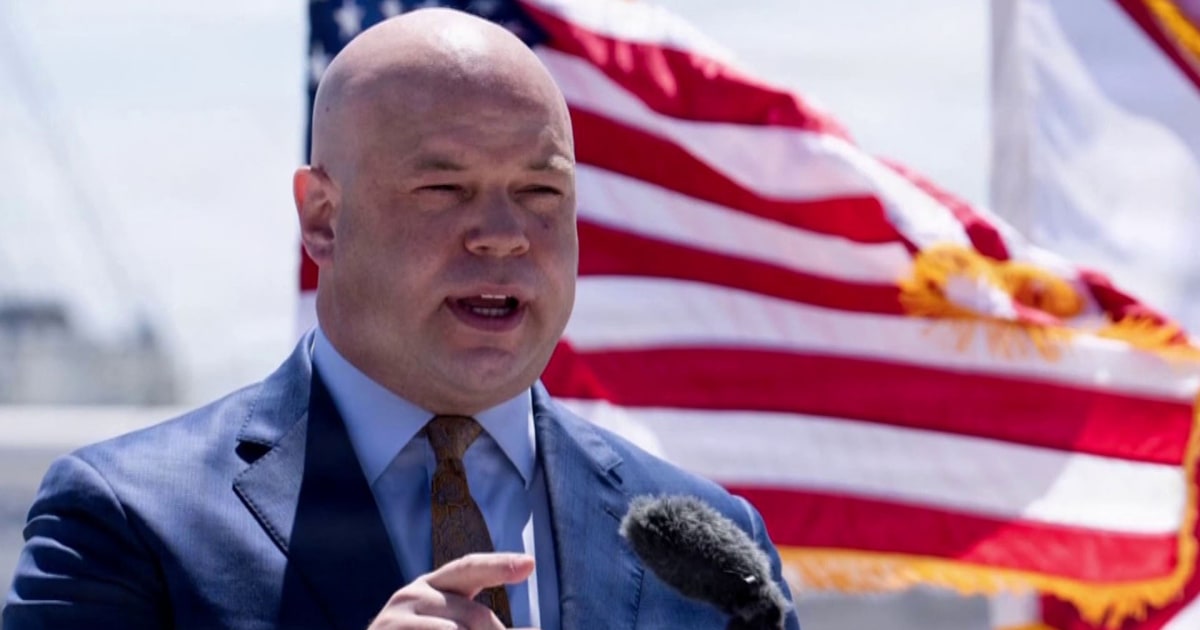
Cover image from today.com, which was analyzed for this article
Telle named acting secretary after Dan Driscoll resignation amid Defense Department leadership tensions.
PoliticalOS
Friday, September 4, 2026 — Politics
The Army's acting leadership change reflects continued turnover at the Pentagon under Defense Secretary Hegseth. Public statements from Trump, Driscoll and Republican senators provide the primary record of the move and surrounding tensions.
What outlets missed
Neither outlet provided biographical details on Telle beyond his most recent title or explained the scope of an acting secretary's authority during a transition. Coverage did not address how the Army's ongoing operations or budget processes might be affected by the leadership change. The broader context of Hegseth's overhaul, including the specific number of senior departures and the policy disputes involved, received limited examination beyond brief references.
Trump Taps Low-Profile Civil Works Official as Acting Army Secretary After Sudden Resignation
President Donald Trump named Adam Telle acting secretary of the Army on Thursday, filling a sudden vacancy created by the resignation of Dan Driscoll amid mounting friction inside the Pentagon. The move comes as the second Trump administration continues to cycle through senior military leaders, with several departures drawing public criticism from Republican lawmakers.
Telle, who has served as assistant secretary of the Army for Civil Works, assumes the role immediately. Trump described him on Truth Social as a great patriot respected by all, offering no further details on his qualifications or plans. The appointment follows Driscoll's announcement that Wednesday would be his final day, ending a tenure that sources close to the matter said was strained by disagreements with Defense Secretary Pete Hegseth.
Driscoll, a third-generation Army veteran, issued a brief public statement praising the soldiers and civilians under his former command but did not address the circumstances of his exit. His departure adds to a pattern of early retirements, resignations and firings at senior levels of the Defense Department since the start of Trump's second term.
Republican Sen. Thom Tillis of North Carolina has been among the most vocal critics of the current leadership structure. In remarks this week, Tillis called for Hegseth's removal, stating he had never seen such inept management of the men and women who serve the country. Hegseth, a former Army National Guard major, entered the role with less senior government and military leadership experience than any previous defense secretary.
The leadership churn occurs against the backdrop of an extended U.S. military operation involving Iran that has already stretched for months. Questions about coordination and decision-making at the Pentagon have surfaced repeatedly in recent weeks, though administration officials have maintained that operations remain on track.
Telle's background centers on civil works projects rather than operational command or large-scale defense policy. Observers inside and outside the military have noted the unusual nature of elevating an official from that office to the acting top post, particularly at a moment when the Army faces both budgetary pressures and questions about readiness.
Democratic members of Congress have so far offered limited public comment on the specific appointment, though several have pointed to the broader turnover as evidence of instability. Republican voices remain divided, with some defending the administration's right to install its preferred team while others, like Tillis, warn that repeated changes risk undermining morale and effectiveness.
The White House has not yet indicated whether Telle will be nominated for the permanent position or how long he is expected to serve in the acting capacity. Pentagon spokespeople declined to elaborate on the reasons behind Driscoll's resignation or the selection of his replacement.
As the administration navigates ongoing military commitments and internal personnel shifts, the Army's leadership transition adds another layer of uncertainty to an institution already adjusting to multiple changes at the top.
You just read Progressive's take. Want to read what actually happened?
More in Politics
Democrats Flip Senate, Expand House Majority in Midterms
Democrats flipped the Senate and expanded their House majority in a major rebuke to President Trump and Republicans. Key victories included multiple Senate seats and state-level wins that ended long-standing GOP dominance in places like Texas.
GOP Losses Spur Blame, Vance Distancing, 2028 Maneuvers
Republicans are pointing fingers internally after heavy losses, with Vice President JD Vance distancing himself from Trump over the Iran war and positioning for a potential 2028 run. Challengers within the party are already sensing opportunity.
Democrats Take House and Senate Amid Record Midterm Turnout
Democrats achieved decisive gains in the 2026 midterms, flipping seats to take control of both chambers. Coverage highlights historic turnout and implications for the Trump administration.
Democrats Take House and Senate, Constraining Trump
Democrats flipped both the House and Senate in a major rebuke to President Trump and Republicans. The results create divided government and set up battles over spending, oversight, and foreign policy for the remainder of Trump's term.
The Compass
You just read five takes on one story.
What's your take? Find your political shape in a few minutes.
Take the test