
Trump Joins Cohen on Radio in Surprise Reconciliation
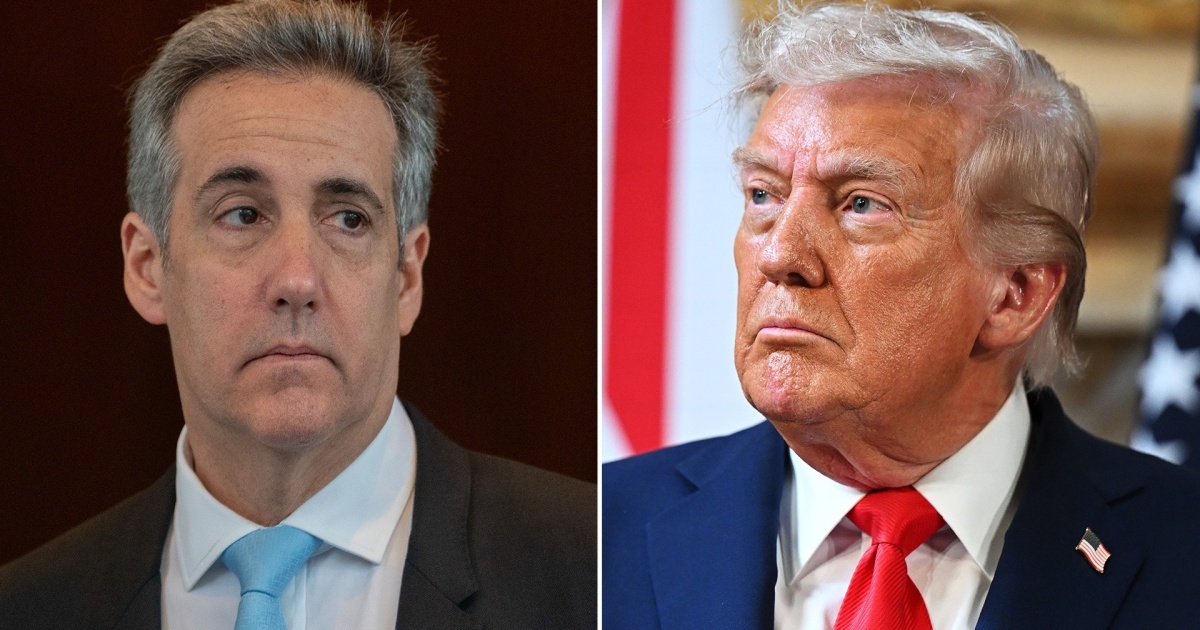
Cover image from today.com, which was analyzed for this article
President Trump joined a radio interview with his former lawyer and critic Michael Cohen in a surprise appearance discussing media and past conflicts. Reports from CBS News and Today.com on the center are matched by right-leaning outlets like Fox.
PoliticalOS
Friday, August 21, 2026 — Politics
The interview reflects a deliberate decision by both men to set aside public animosity after Cohen's testimony helped convict Trump. Cohen's pending pardon request remains unacknowledged by the White House. Listeners are left to weigh whether the exchange signals lasting political realignment or a limited personal truce.
What outlets missed
CBS noted the specific radio station and broadcast schedule while Today.com provided almost none. Neither outlet examined the appeals status of the civil fraud case or the exact number of private meetings between the two men. The articles also omitted Cohen's public newsletter post that described fifteen years of prior friendship as context for the reconciliation. Details on how the interview was promoted on social media before airing received little attention.
Trump and Michael Cohen Patch Up Their Rift in a Cordial Radio Interview
President Trump joined the radio show of his former personal attorney Michael Cohen on Thursday for an unusually warm conversation that signaled the end of a long and public feud. The appearance on 77 WABC-AM in New York came after months of private outreach between the two men and included Trump praising Cohen for reversing earlier testimony against him. Cohen, who once described Trump as a cartoon villain and cooperated with federal prosecutors, is now seeking a pardon from the White House for his own criminal convictions tied to hush-money payments and related matters.
The interview avoided deep dives into their shared history. Trump noted that Cohen had been “weaponized like nobody’s ever been” and called the decision to recant prior statements a significant step. Cohen, for his part, has resubmitted a pardon application that was previously denied during the Biden administration. He told CNN he simply replaced the addressee on the earlier filing and sent it to the current White House by FedEx, with plans to follow up directly. The application remains under review, and no decision has been announced.
The reconciliation highlights how personal relationships inside Trump’s circle often hinge on shifting tests of loyalty rather than fixed principles. Cohen’s original cooperation with investigators stemmed from charges that he arranged payments to silence two women who alleged affairs with Trump before the 2016 election. Those payments led to Cohen’s guilty plea on campaign-finance violations and other counts, for which he served time. His later congressional testimony and book portrayed Trump as directing the scheme. Trump has long maintained that Cohen acted alone and that the case against him was politically motivated.
By publicly embracing Cohen now, Trump appears to be signaling that past testimony can be forgiven if the witness later aligns with his narrative. This pattern has appeared before with other figures who clashed with Trump and then returned to favor after demonstrating renewed support. The move also fits a broader approach to clemency in which Trump has granted or considered relief for allies and former associates whose cases he views as extensions of investigations he regards as illegitimate.
Cohen’s pardon request raises procedural questions about how the Justice Department and White House handle applications from individuals convicted in matters that directly involved the president. Federal clemency decisions have historically balanced legal merits with political considerations, and the current process gives the president wide latitude. Whether Cohen’s filing receives special attention will depend on internal White House staffing and any input from the Justice Department’s pardon office.
For Cohen, the radio appearance serves as both public rehabilitation and a practical step toward relief from the collateral consequences of his convictions. He has said the renewed contact with Trump began quietly and built from there, without the dramatic confrontations that defined their earlier split. The tone of the interview suggested both men see value in projecting unity rather than revisiting old grievances.
The episode illustrates how personal loyalty remains a central currency in Trump’s political operation. Alliances can be repaired when they serve immediate needs, such as narrative control or the optics of magnanimity. Observers will watch whether this particular restoration produces concrete action on the pardon or remains largely symbolic.
You just read Liberal's take. Want to read what actually happened?
More in Politics

Democrats Flip Senate, Expand House Majority in Midterms
Democrats flipped the Senate and expanded their House majority in a major rebuke to President Trump and Republicans. Key victories included multiple Senate seats and state-level wins that ended long-standing GOP dominance in places like Texas.

GOP Losses Spur Blame, Vance Distancing, 2028 Maneuvers
Republicans are pointing fingers internally after heavy losses, with Vice President JD Vance distancing himself from Trump over the Iran war and positioning for a potential 2028 run. Challengers within the party are already sensing opportunity.

Democrats Take House and Senate Amid Record Midterm Turnout
Democrats achieved decisive gains in the 2026 midterms, flipping seats to take control of both chambers. Coverage highlights historic turnout and implications for the Trump administration.
Democrats Take House and Senate, Constraining Trump
Democrats flipped both the House and Senate in a major rebuke to President Trump and Republicans. The results create divided government and set up battles over spending, oversight, and foreign policy for the remainder of Trump's term.
The Compass
You just read five takes on one story.
What's your take? Find your political shape in a few minutes.
Take the test