
Trump Economic Approval Hits Record Low at 33 Percent

Cover image from npr.org, which was analyzed for this article
A new NPR/PBS/Marist poll showed record-low American approval of President Trump's economic handling, including among some former supporters. Dissatisfaction spans multiple demographics amid ongoing policy debates.
PoliticalOS
Thursday, June 18, 2026 — Politics
The NPR/PBS/Marist poll shows Trump's economic approval at 33 percent, his lowest since 2019, with slippage among former supporters and independents tied to affordability concerns. Gas prices continue to affect most households even after recent declines. Overall job approval has also reached a second-term low of 36 percent.
What outlets missed
The Intercept article addressed an unrelated immigration enforcement operation in Minneapolis rather than the poll, omitting any economic data. PBS and NPR both omitted granular crosstabs on personal financial pessimism contained in the full Marist release. Neither outlet compared the single-poll result against other contemporaneous surveys or examined question wording effects on the economy item. Gas price attribution to specific policies received limited sourcing beyond respondent perception.
Mental Health Strain Mounts in Twin Cities After Federal Immigration Push
More than six months after federal agents launched a large-scale immigration enforcement operation across Minneapolis and St. Paul, new data shows the campaign's effects extending well beyond street-level arrests and detentions. A Human Rights Watch report released this week draws on more than 130 interviews, arrest records, and video evidence to document how the effort, known as Operation Metro Surge, has disrupted daily life and strained local support systems in measurable ways.
The report highlights sharp increases in mental health emergencies tied to the operation. Calls to the National Alliance on Mental Illness Minnesota helpline rose by 120 percent during the period, accompanied by a noticeable uptick in callers expressing suicidal thoughts or actions. Healthcare providers described at least three teenagers who attempted suicide after their parents were detained, with one adolescent making repeated attempts. These accounts point to ripple effects on families that extend into schools and clinics, where staff reported heightened anxiety among children whose households had been affected.
Reagan Williams, who authored the report, said the goal was to capture harms that receive less attention than visible confrontations. These include restrictions on movement, barriers to medical care, and interruptions to schooling that compound over time. The findings align with patterns seen in other communities that have experienced sustained enforcement actions, where indirect costs surface in public health metrics rather than arrest tallies alone.
Government data cited in the report shows the scale of detentions in the Twin Cities area, though exact figures on family separations remain incomplete. Interviews with residents and service providers describe cases of unlawful or prolonged holds, alongside instances where agents used force that community members viewed as excessive. Two deaths involving local residents, Renee Good and Alex Pretti, have already drawn scrutiny in earlier coverage of the operation.
The mental health data adds another layer to assessments of how enforcement policies interact with community stability. Providers noted that fear of encounters with agents led some families to skip appointments or keep children home, creating gaps in routine care that could have longer-term consequences. The report stops short of attributing every increase in distress solely to the operation, but the timing and volume of calls coincide with the surge in activity.
Local organizations continue to track follow-on effects. Mental health professionals interviewed for the report described caseloads that remain elevated, with demand for crisis support outpacing available resources in some neighborhoods. Williams emphasized that documenting these outcomes is necessary to understand the full footprint of such campaigns, even when the most visible elements have receded from daily headlines.
The Human Rights Watch analysis arrives as federal immigration priorities remain a central focus in Washington. Its emphasis on non-violent but pervasive disruptions offers one measure of how enforcement strategies play out at the ground level, where statistical shifts in helpline volume reflect pressures that are harder to quantify than arrest numbers.
You just read Liberal's take. Want to read what actually happened?
More in Politics
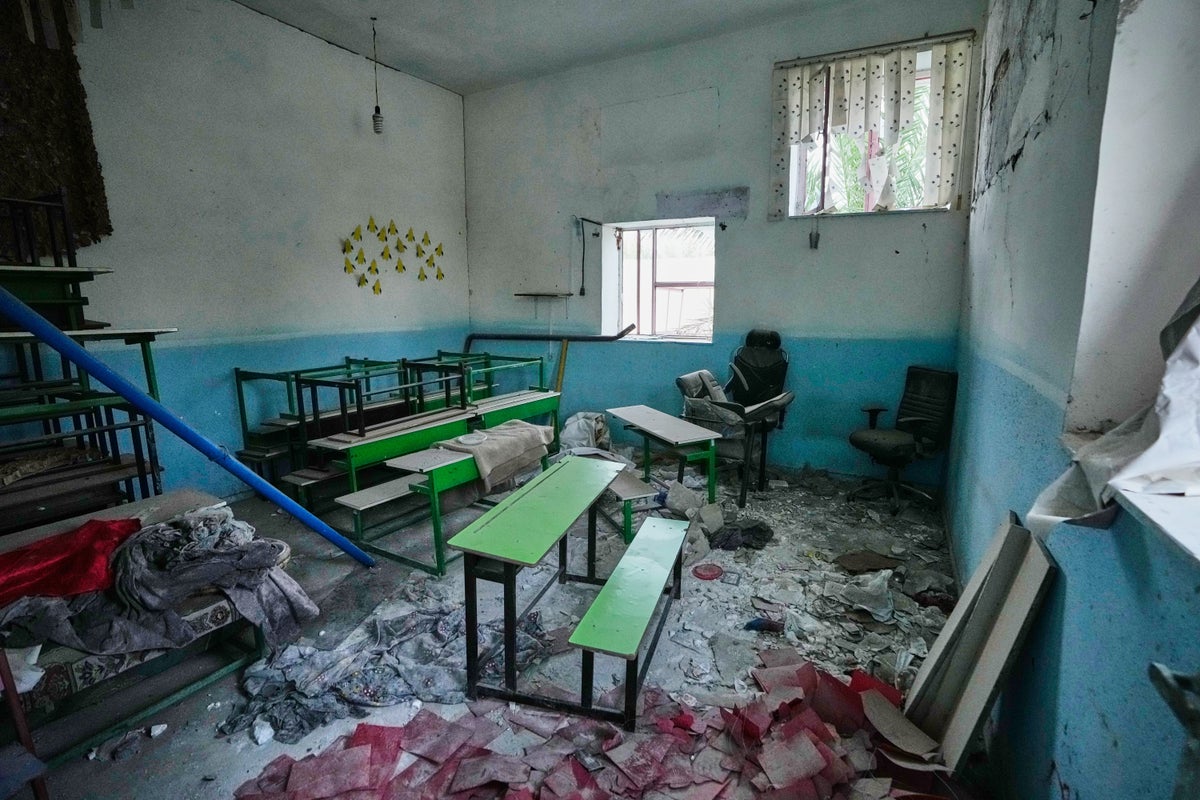
UN Panel Cites Grounds for US War Crimes in Iran Strikes
The Iran conflict enters a new phase focused on reconstruction after US strikes destroyed nuclear sites. UN experts cite possible US war crimes killing civilians while oil prices stay elevated.

Trump Warns of Tariffs as EU Offers Canada Associate Status
The EU invited Canada as its first associate member on defense and energy. Trump called it a hostile act and threatened new tariffs on Europe in response.

Southern Redistricting Tests Black Voter Turnout in Midterms
GOP spending heavily to protect Trump-won districts amid concerns in Georgia. Democrats see voting rights rulings boosting Black turnout in Southern races.

Minnesota Judge Warns ICE Order Violations Threaten Rule of Law
A federal judge warned ICE operations in Minnesota threaten the rule of law. The administration has frozen billions in grants with pediatricians raising health care access alarms.
The Compass
You just read five takes on one story.
What's your take? Find your political shape in a few minutes.
Take the test