
Trump Economic Approval Hits Record Low at 33 Percent

Cover image from npr.org, which was analyzed for this article
A new NPR/PBS/Marist poll showed record-low American approval of President Trump's economic handling, including among some former supporters. Dissatisfaction spans multiple demographics amid ongoing policy debates.
PoliticalOS
Thursday, June 18, 2026 — Politics
The NPR/PBS/Marist poll shows Trump's economic approval at 33 percent, his lowest since 2019, with slippage among former supporters and independents tied to affordability concerns. Gas prices continue to affect most households even after recent declines. Overall job approval has also reached a second-term low of 36 percent.
What outlets missed
The Intercept article addressed an unrelated immigration enforcement operation in Minneapolis rather than the poll, omitting any economic data. PBS and NPR both omitted granular crosstabs on personal financial pessimism contained in the full Marist release. Neither outlet compared the single-poll result against other contemporaneous surveys or examined question wording effects on the economy item. Gas price attribution to specific policies received limited sourcing beyond respondent perception.
ICE Surge in Minneapolis Triggers Mental Health Crisis With Helpline Calls Surging 120 Percent
More than six months after federal agents launched Operation Metro Surge across the Twin Cities, new evidence shows the immigration crackdown inflicted severe damage far beyond street-level confrontations. A Human Rights Watch report released Thursday details how the operation drove a dramatic spike in mental health emergencies, including a 120 percent increase in calls to the National Alliance on Mental Illness Minnesota helpline and a marked rise in suicidal ideation among residents.
The findings rest on more than 130 interviews, video evidence, and government arrest records. Healthcare providers described teenagers attempting suicide after their parents were detained, with at least three known cases and one adolescent making repeated attempts. Mental health professionals reported patients struggling to attend appointments or maintain daily routines amid widespread fear of encounters with agents.
Reagan Williams, author of the report, said the goal was to document harms that extended into private life, including barriers to medical care, schooling, and basic movement through the community. The report also catalogs lethal force incidents, such as the killings of Renee Good and Alex Pretti, alongside accounts of unlawful detentions and restrictions on public assembly.
The surge occurred under an administration already facing record-low public support. A recent NPR/PBS News/Marist poll found only 33 percent of Americans approve of President Trump’s handling of the economy, the lowest figure recorded since 2019, with 60 percent disapproving. Gas prices remain a top concern for 78 percent of households, and dissatisfaction extends even among some Republican voters.
Critics argue that aggressive interior enforcement like Metro Surge compounds economic anxieties by targeting working families and destabilizing communities already under pressure. The Human Rights Watch documentation suggests these operations produce measurable public health consequences that persist long after agents depart, affecting access to services and overall well-being in Minneapolis and St. Paul.
Advocates say the report underscores the need for greater accountability and limits on enforcement tactics that sweep up noncriminal residents. The mental health data, in particular, points to ripple effects reaching into schools and clinics, where providers continue to treat trauma tied directly to the federal campaign.
You just read Progressive's take. Want to read what actually happened?
More in Politics

GOP Candidates Distance From Trump on Tariffs Amid Midterm Pressures
Some Republican candidates are distancing from Trump on issues like immigration enforcement and tariffs, while super PACs pour money into races amid signs of voter fatigue with certain GOP messages.
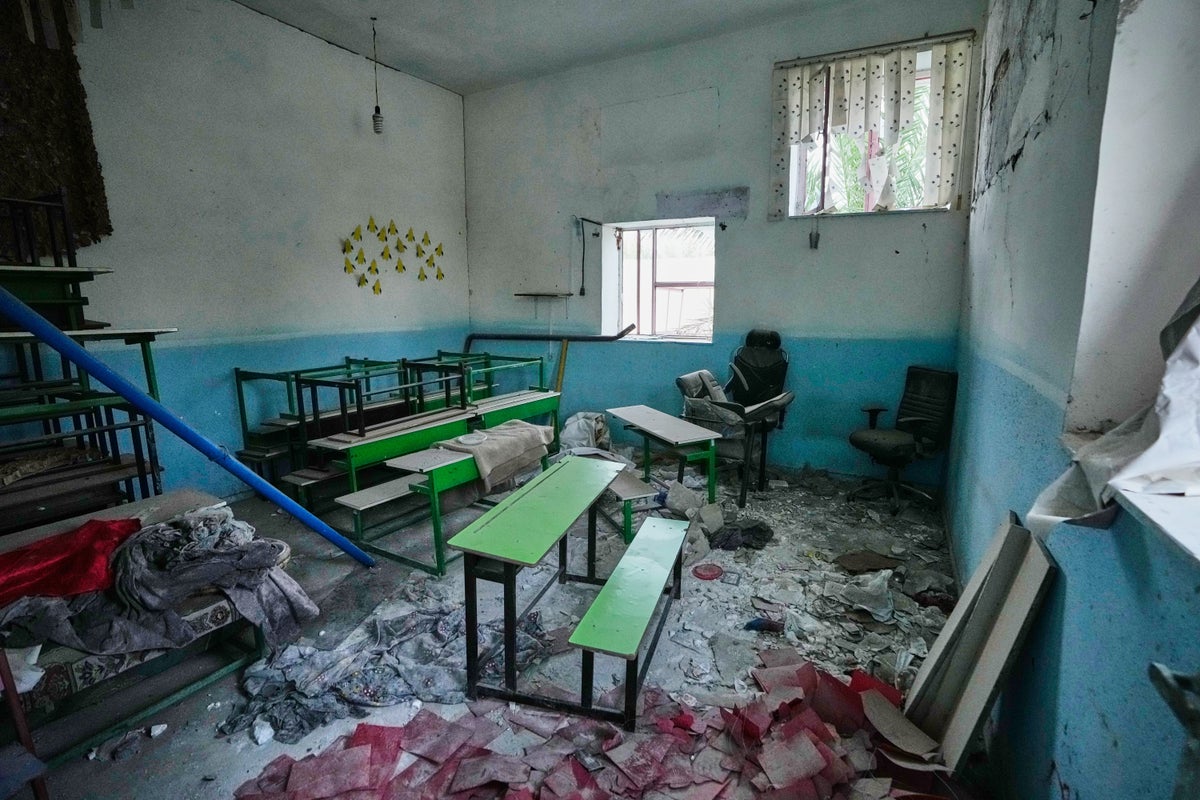
UN Panel Cites Grounds for US War Crimes in Iran Strikes
The Iran conflict enters a new phase focused on reconstruction after US strikes destroyed nuclear sites. UN experts cite possible US war crimes killing civilians while oil prices stay elevated.

Trump Warns of Tariffs as EU Offers Canada Associate Status
The EU invited Canada as its first associate member on defense and energy. Trump called it a hostile act and threatened new tariffs on Europe in response.

Southern Redistricting Tests Black Voter Turnout in Midterms
GOP spending heavily to protect Trump-won districts amid concerns in Georgia. Democrats see voting rights rulings boosting Black turnout in Southern races.
The Compass
You just read five takes on one story.
What's your take? Find your political shape in a few minutes.
Take the test